Getting Started
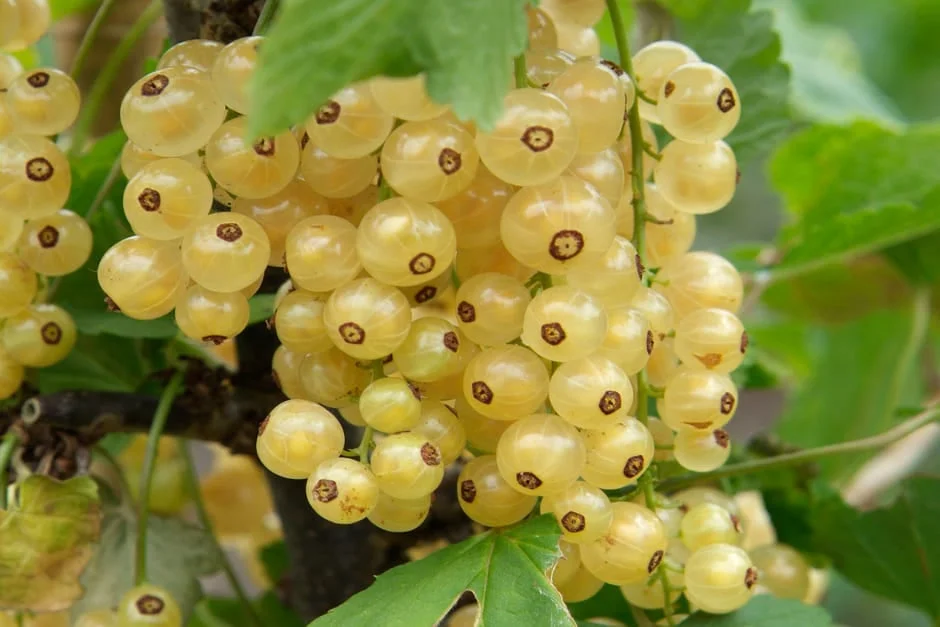
Whitecurrants are easy to grow and produce plentiful crops of pale berries that ripen from mid-summer onwards. These have a refreshing, tart flavour – great for jellies and jams, or in desserts mixed with other soft fruit. Whitecurrants are a form of redcurrant (Ribes rubrum), similar in flavour and equally decorative. Just like redcurrants, they grow well in sun or light shade, in the ground or in containers, and need little maintenance once settled in. While most often grown as free-standing bushes, whitecurrants can be trained as cordons, fans and standards to maximise harvests in a smaller space.
Jobs to do now
Water new and container bushes
Feed container bushes
Protect ripening fruit from birds
Prune
Harvest
Month by Month
Plant
Harvest


Choosing What To Grow
There are several whitecurrant varieties to choose from, including two with an RHS Award of Garden Merit (AGM), which shows they performed well in our trials and make reliable choices. See our list of AGM fruit and veg (135kB pdf) and our Recommended Varieties below. You'll also find whitecurrants growing in the fruit plots of the RHS gardens, so do visit to compare varieties and pick up growing tips.
What and where to buy
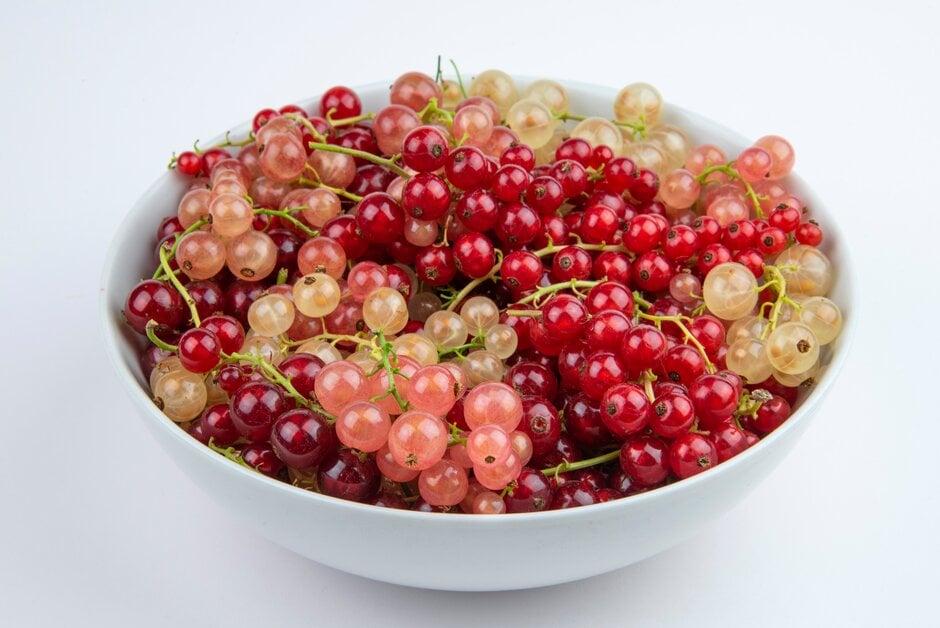
Whitecurrant plants in pots are available all year round from many gardening retailers. plants are also available during the dormant season (late autumn to early spring), mainly from specialist online fruit suppliers. They are usually cheaper than potted plants, but are less widely available and must be planted straight away.
Whitecurrants are usually grown as open-centred bushes, but can also be trained as space-saving cordons, fans and standards, so select a plant to buy based on how you will be growing it:
- For growing as a bush – choose a two- to three-year-old plant with a short, clear stem of 10–15cm (4–6in) and a well-balanced head of three to five main branches
- For growing as a – look for a plant with a vigorous main stem. Alternatively, buy a one-year-old cutting or partly-trained plant from a specialist online supplier
- For growing as a fan – buy a one-year-old cutting or a plant sold for cordon training and prune after planting to encourage branching. Alternatively, buy a bush-trained plant with two to four branches that can be positioned flat against a wall or fence
- For growing as a standard – buy a pre-trained, grafted plant with a clear trunk 1-1.2m (3½–4ft) tall, topped with a bushy head of branches
Recommended Varieties


Planting
Whitecurrants, whether bought in pots or , are best planted between November and March, when the ground isn't frozen or . Container-grown whitecurrants can also be planted at other times of year, but they will establish better if planted when dormant. They can be planted in the ground or in large containers.
Like redcurrants, whitecurrants will crop best in full sun, but will also grow and crop well in light shade, such as against a north-facing wall, though the berries will ripen later and be less sweet. Choose a sheltered site, out of strong winds, and avoid locations prone to late frosts, which can damage the flowers and reduce your crop. Consider planting inside a fruit cage to protect your crop from birds.
No soil preparation is generally needed before planting. However, if your soil is poor, dig a bucketful of organic matter, such as garden compost or well-rotted manure, into the soil you remove from your planting hole and use this to backfill after planting. This minimises soil disturbance and gets your plant off to a strong start.
Prepare your whitecurrant for planting by giving it a good water if it is in a container, or by standing it in a bucket of water for half an hour if it is bare-root. Space whitecurrants 1.2–1.5m (4–5ft) apart for bush plants, 30-40cm (12-16in) apart for cordons and 1.5m (5ft) apart for fans.
For advice on how to plant, see our guides below:
Planting in containers
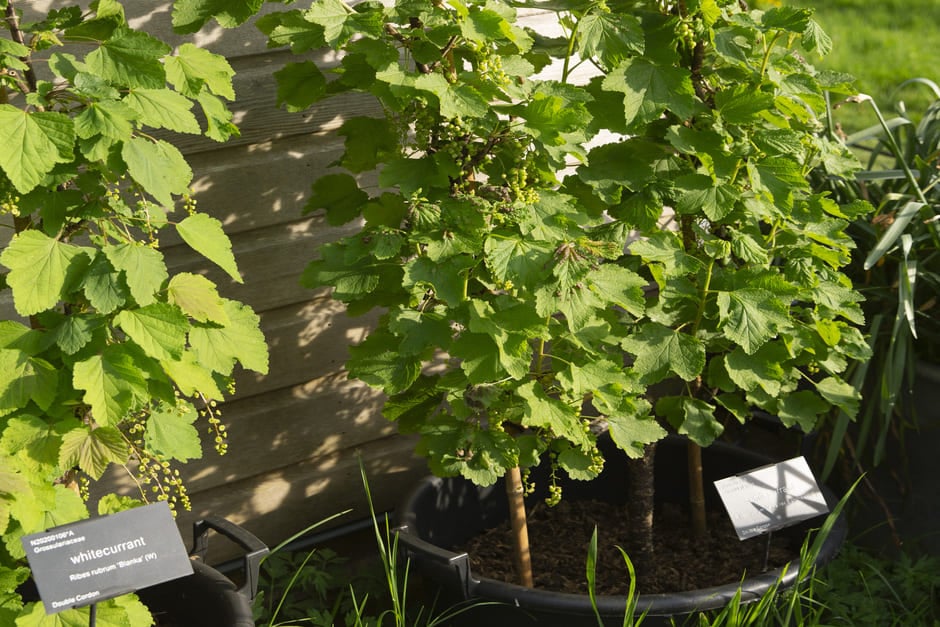
For growing in a container, choose a pot at least 45cm (18in) wide and fill with a good-quality, such as peat-free John Innes No.3. Position in a sheltered spot, preferably in full sun.
Supporting trained plants
All trained whitecurrants (those grown as cordons, fans and standards) need supports to grow and fruit well, and these should be put in place before or at planting time. Cordons and fans are best trained against a system of horizontal wires spaced at 60cm (2ft) intervals from the ground and attached to freestanding posts or to a wall or fence.
Standards and single cordons can simply be supported by a sturdy bamboo or thin tree stake around 1.5m (5ft) tall.
Tie-in well-positioned stems after planting using soft .
Plant Care
Newly planted and container-grown whitecurrants need some regular attention to ensure they establish well and produce a good crop. Once established, plants growing in the ground need very little ongoing maintenance apart from mulching, pruning and protecting the ripening berries from birds.
Watering
Water newly planted whitecurrants regularly during dry spells in their first couple of years. Once established, plants growing in the ground shouldn't need any routine watering.
Whitecurrants growing in containers need a steady supply of moisture throughout the , so water regularly in dry spells aiming to keep the evenly moist. Water early in the morning or in the evening to limit moisture loss from the soil, ideally using stored rainwater.
Mulching
whitecurrants growing in the ground each spring, spreading a thick layer of organic matter, such as garden compost or well-rotted manure, on the soil around the base of the plants. This helps to hold moisture in the soil and suppress weeds. Just make sure to leave a small mulch-free circle immediately around the base of the stems, to prevent them rotting.
Feeding
Whitecurrants growing in regularly mulched soil shouldn't need any additional feeding. However, if harvests are poor or your plant is showing signs of nutrient deficiency, apply a granular fertiliser to the soil in early spring. Use our page on nutrient deficiencies to work out what is lacking and apply the recommended feed, following instructions on the packet.
Plants growing in containers benefit from regular feeding. Either apply an organic, high potassium liquid fertiliser every fortnight during the , or sprinkle a handful of a granular, general purpose fertiliser onto the each spring.
Repotting
Container-grown whitecurrants need repotting every few years into a larger container of peat-free – this is best done in spring. Once it becomes impractical to move the plant into a larger pot, repot into the same one, removing and replacing any loose compost and lightly trimming the roots.
In the years between repotting, topdress by removing the top layer of compost and replacing with fresh.
Protecting
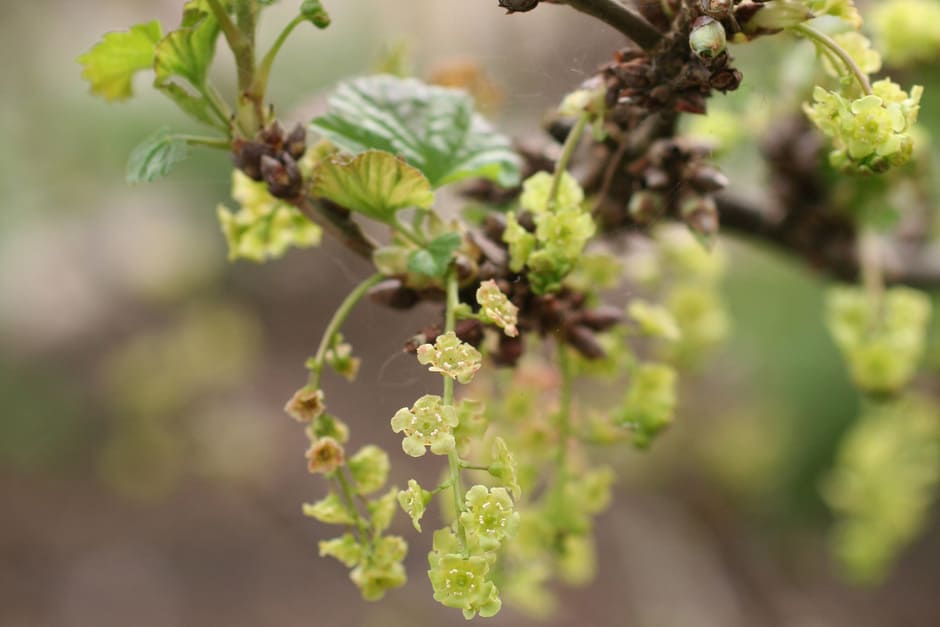
Protecting flowers from frost
If frost is forecast while whitecurrants are in flower, cover the plants overnight with or hessian, raised up on canes.
Protecting fruit from birds
Cover whitecurrants with plastic-free or reused netting as soon as the berries begin to ripen, to protect them from garden birds. Make sure the netting is taut, so birds don’t get tangled in it. Alternatively, use a temporary or permanent fruit cage.
Propagating
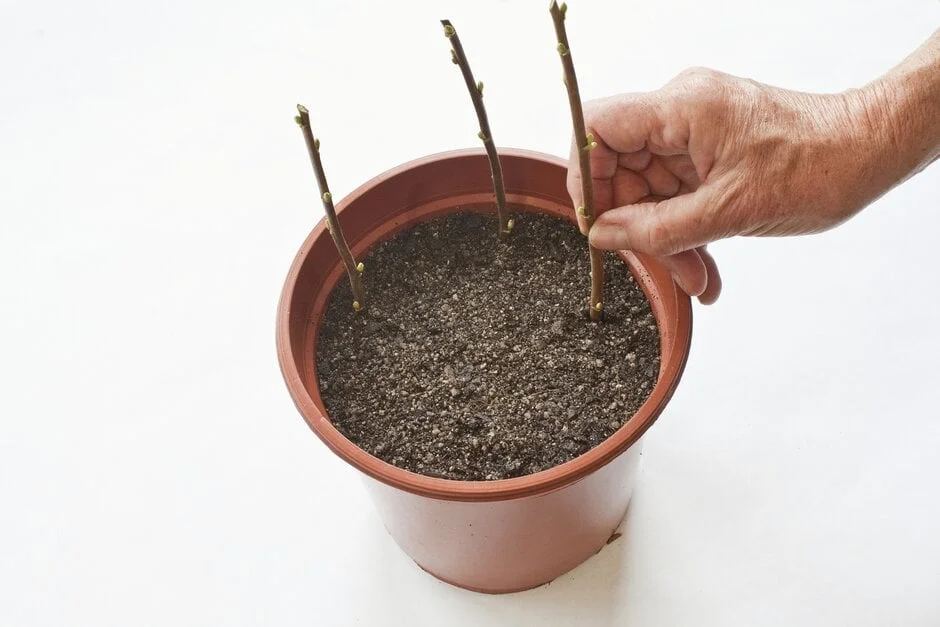
You can make new whitecurrant plants by taking hardwood cuttings from young, healthy wood between mid-autumn and late winter. The should be around 20cm (8in) long and can be inserted into pots of peat-free or directly into the ground.
Taking cuttings from older plants is not recommended, as they may have diseases that will reduce the vigour of any plants propagated from them.
Pruning And Training
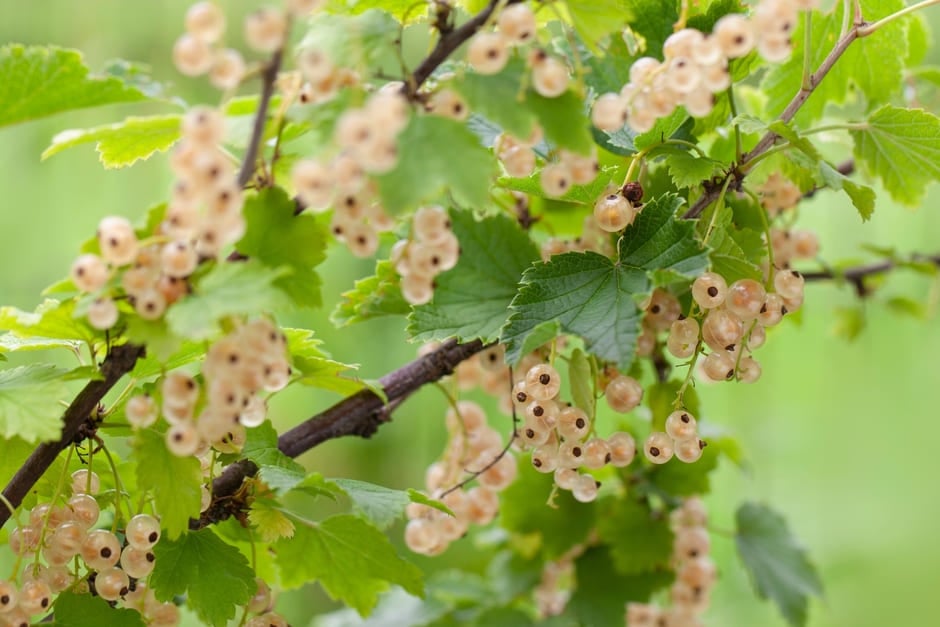
Whitecurrants should be pruned regularly to maintain a good shape and produce the best crop. Prune either once or twice a year, depending on the plant’s shape:
- Bushes – prune in late winter or early spring to create and maintain an open-centred goblet shape with up to ten well-spaced branches
- Cordons – prune in late winter/early spring and in summer to restrict growth and create fruiting spur systems. Treat each vertical arm of double and triple cordons as an individual, single
- Fans – prune in late winter/early spring and in summer to create a full, well-balanced fan of five main branches plus permanent sideshoots
- Standards – prune the crown in late winter/early spring as for bush plants, and remove any growth originating from the main stem below the crown as soon as seen
For step-by-step instructions on how to prune all forms of whitecurrant, see our guides below:
Harvesting
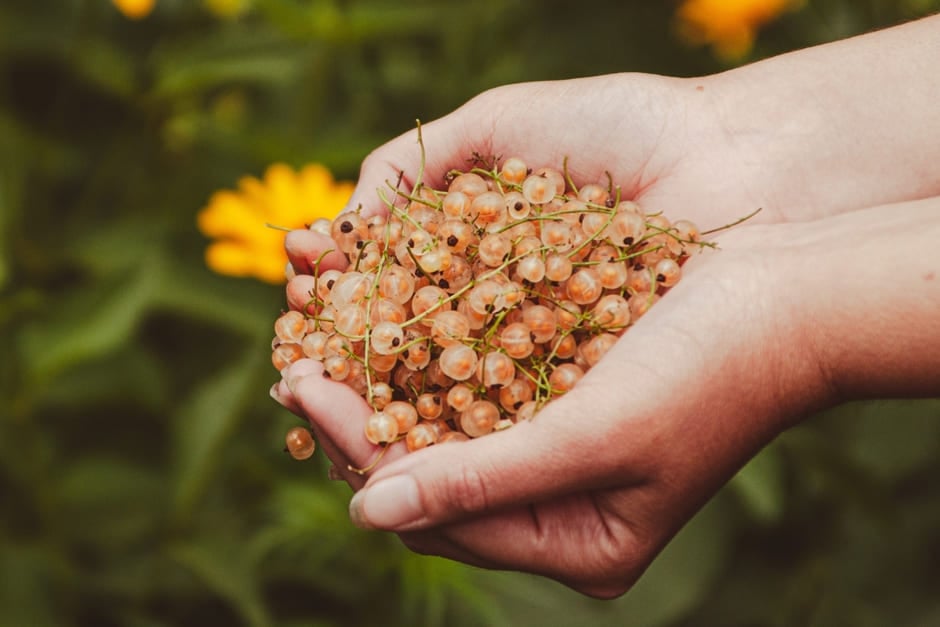
Whitecurrants ripen between early July and late August, depending on the variety. The currants of modern varieties, such as ‘B±ô²¹²Ô°ì²¹â€™ and ‘White Grape’, ripen simultaneously, so harvest whole trusses (known as strigs) and remove individual fruits in the kitchen. Those of older varieties ripen from the top of the strig downwards, so pick fruit individually once it is sweet, firm and juicy.
An established bush should produce about 4.5kg (10lb) of whitecurrants per year.
Problem Solving
Whitecurrants are generally healthy, trouble-free plants, although they can be affected by a few specific insects and diseases – see Common problems, below. Birds may eat the ripening currants, so it’s worth protecting the crop using plastic-free or reused netting or a fruit cage. Additionally, late frosts can damage flowers and reduce the crop, so cover plants overnight if freezing temperatures are forecast during flowering.
Common Problems

Currant and gooseberry leaf spot
This is a fungal disease that attacks the foliage of currants (black, red and white) and gooseberries in summer, and can be troublesome in some season...

Brown scale
Brown scale is a sap-sucking insect, evidence of which can be found on woody plants at any time of year, partly because dead scales remain attached to...

Capsid bugs
Some capsid bugs can affect plants by giving the foliage a tattered and distorted appearance and causing flower buds to abort. Apple capsid can cause...


