Watering
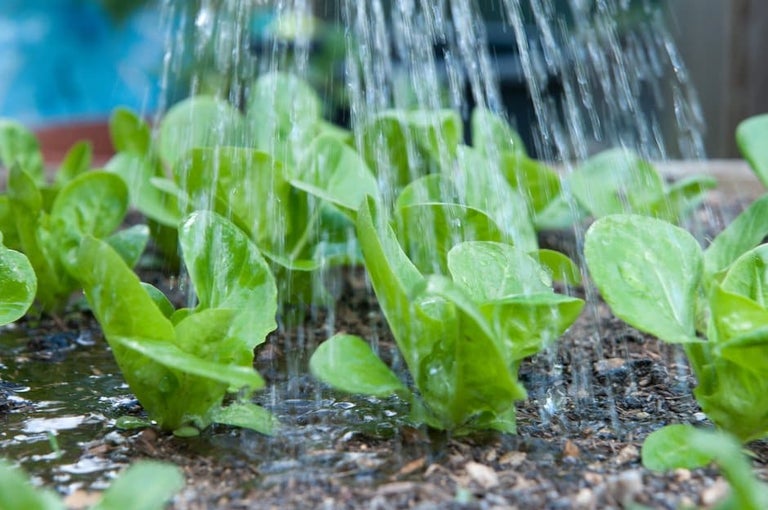
Watering well helps most plants grow stronger, develop deeper roots and cope better with dry spells. The trick is to water less often but more thoroughly – then let the surface dry before you water again.Â
Plants in containers need to be checked and watered regularly. Many fruit, vegetable and salad crops benefit from regular watering to ensure a good crop; see our guide to watering vegetables and fruit. Â
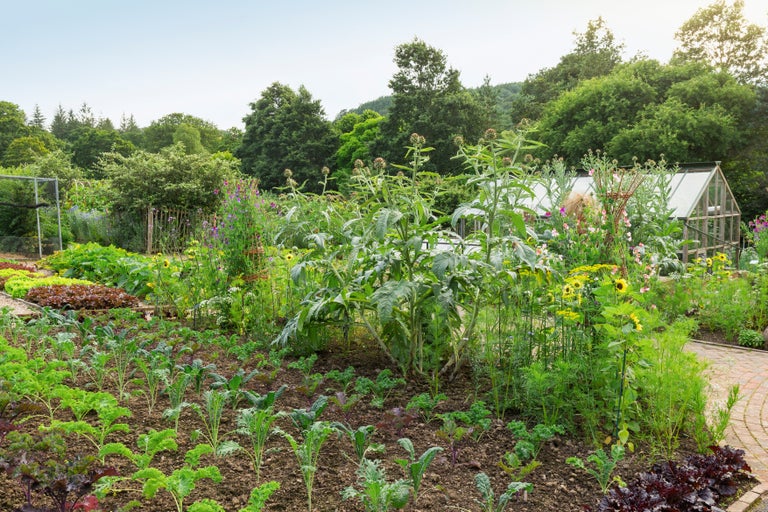
New plants also need watering straight after planting and during dry spells until they are well established. If chosen well to naturally thrive in their location, established trees, shrubs and perennials should not need watering.
1. Choose the right plant for the right place
2. Improve soil with organic matter
3. Mulch beds and borders annually
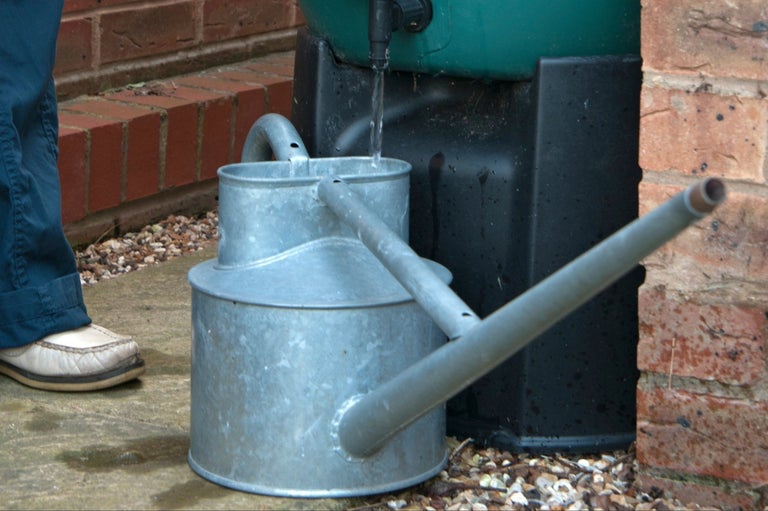
4. Store rainwater from hard surfaces in water butts
5. Use mains water only as a last resort
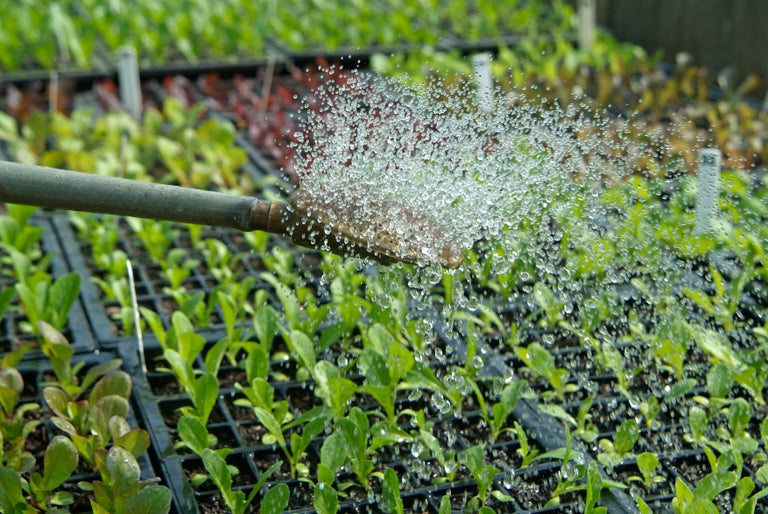
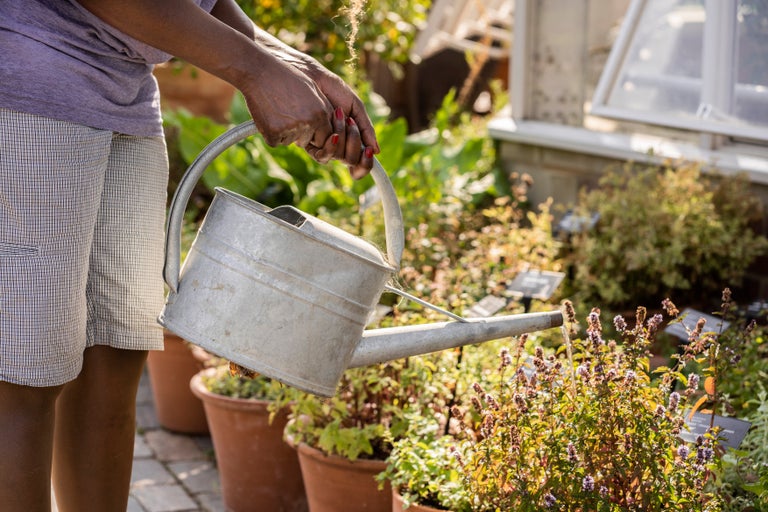
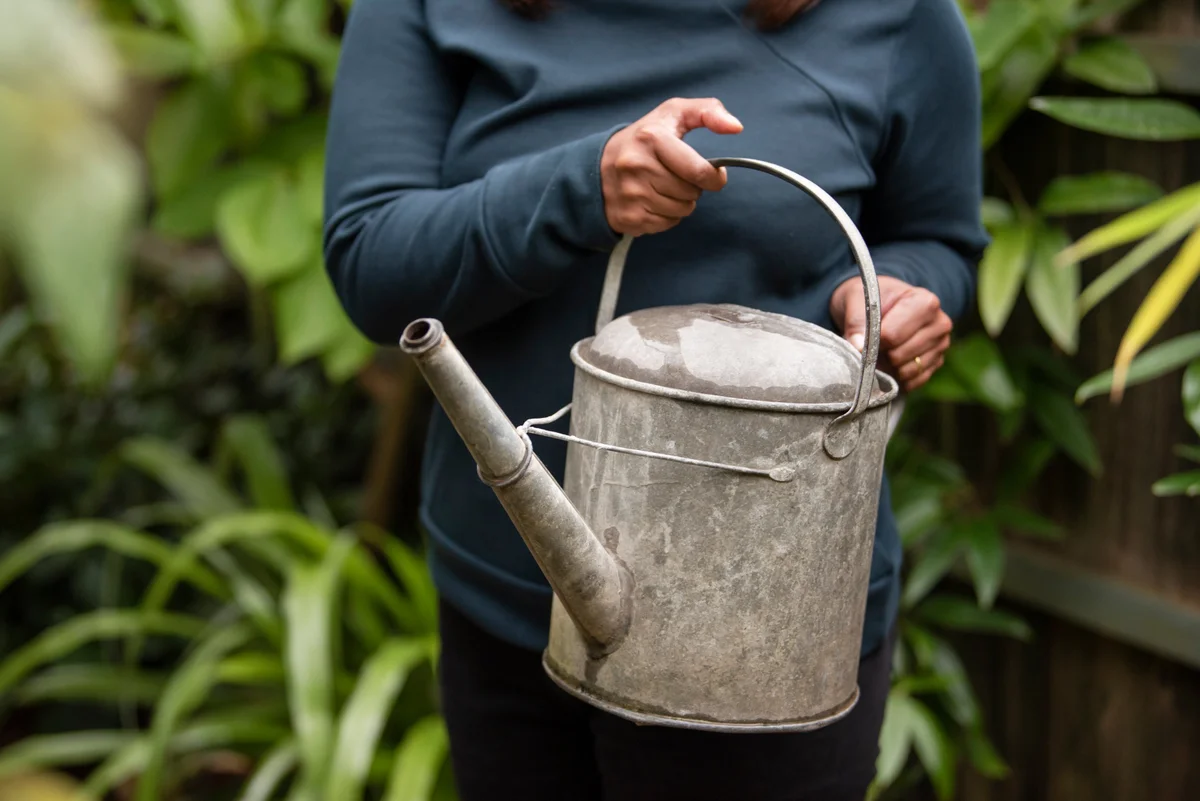
Use a watering can wherever possible for precise, sustainable watering. Use a hose when physical effort or the size of the area makes a can impractical.
A watering can is usually the better choice for most garden watering, especially containers.
As a guide, newly planted trees need around four to six full 10‑litre cans of water per week in dry weather.
Hoses can be helpful when lifting and carrying cans is difficult, or when watering large areas of new plants or lawn. However, hoses can be less efficient, as they don’t indicate how much water you’re using. When using one, take extra care to water the root zone (the soil around the stem) rather than surrounding soil or foliage.

A hose can be useful for a large area, where a watering can is not practical. Newly planted borders will need watering, and you may find that stored water butt water is not enough during hot, dry weather. Â
Seep hoses or drip lines can be very effective and, if used carefully, are water efficient. They can be hidden beneath soil or , which helps to reduce evaporation. There are pros and cons to each.Â
Drip lines are tubing with equally spaced holes fitted with either internal or external emitters, which can deliver water slowly and directly to plants’ root zones.
Pros:
Cons:
Seep hoses/leaky hoses release water along their entire length. Seep hoses can be useful for establishing a new border. They use water more efficiently when covered with a layer of to reduce evaporation.

Choose food-grade PU (polyurethane), PE (polyethylene), HDPE (high-density polyethylene) or LDPE (low-density polyethylene), as these materials are formulated not to leach harmful pollutants. However, they are difficult to recycle and can break down into microplastics. Avoid soaker hoses made from porous rubber as it breaks down to leave contaminants, potentially including heavy metals.
Water doesn’t move sideways much from seep hoses. Therefore, the hose needs to be positioned across plant root systems, such as going under a shrub, or lengths of hose placed 30-45cm (12-18in) apart in denser plantings. Â
Pros:
Cons:
Pros:
Cons:

Due to their high water use and high water loss through evaporation, sprinklers are only acceptable in very limited circumstances, such as watering a newly sown or turfed lawn. Where possible, schedule jobs that may lead to sprinkler use in autumn, as this cooler time of year will reduce the water demand considerably. Â
Cons:
When using hosepipes and irrigation systems, be aware that you need to have a ‘double check valve’ on all outside taps to meet the legal requirements of water regulations (new outdoor taps often have them inside as standard). The valve is designed to prevent any contamination flowing back into the mains supply.
For a permanent, automated garden irrigation system connected to the mains, a break tank providing an air gap is often a regulatory necessity to ensure the safety of the public water supply.Â