Getting Started
Chamomile is easy to grow and makes an attractive and aromatic addition to a herb collection, with feathery foliage and small, daisy-like flowers. Chamomile can also be grown in borders and areas, while dwarf varieties are suitable for containers and chamomile lawns.
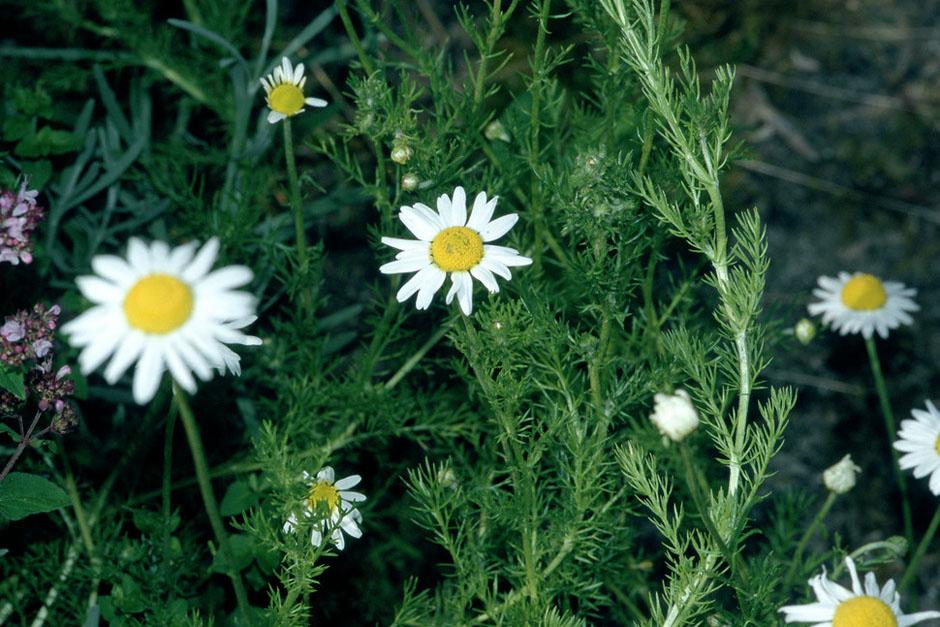
Chamomile likes a sunny spot with free-draining soil, and is fully hardy. The name chamomile derives from the Greek for ‘earth apple’, referring to its low-growing habit and apple-like scent. There are several types of chamomile with the characteristic, relaxing fragrance.
Jobs to do now
Water newly-planted chamomile
Harvest flowers
Month by Month
Sow
Plant
Harvest


Choosing What To Grow
The two types of chamomile most widely grown to make relaxing, aromatic chamomile tea are:
- Common chamomile or Roman chamomile (Chamaemelum nobile) – a hardy to 30cm (12in) tall with scented, feathery leaves and small, daisy-like flowers
- German chamomile or scented mayweed (Matricaria chamomilla) – a hardy annual up to 40cm (16in) tall with similarly aromatic foliage and pollinator-friendly, daisy-like flowers
Both are easy to grow from seed in spring and are ideal for herb gardens, veg plots, borders and areas.
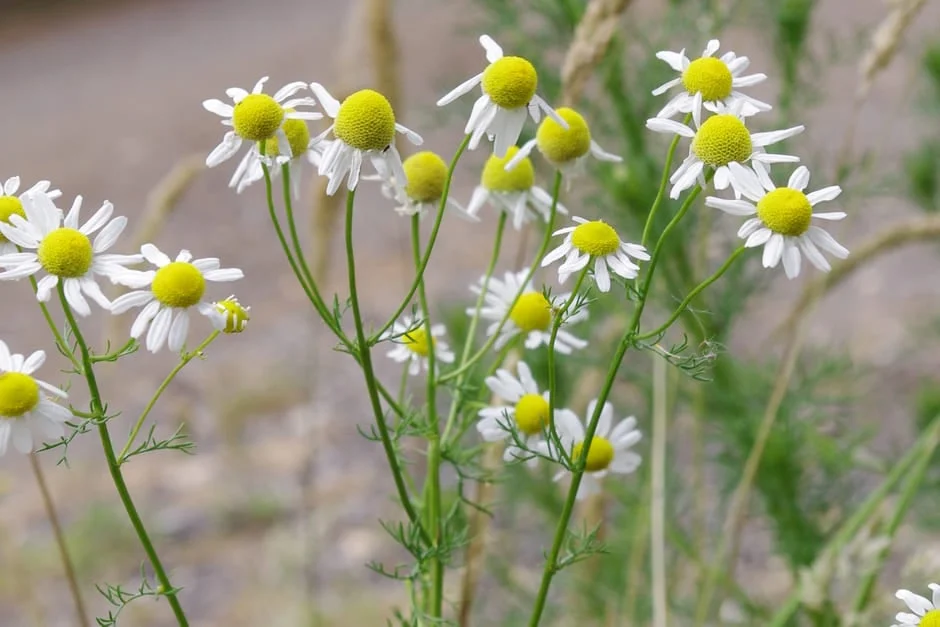
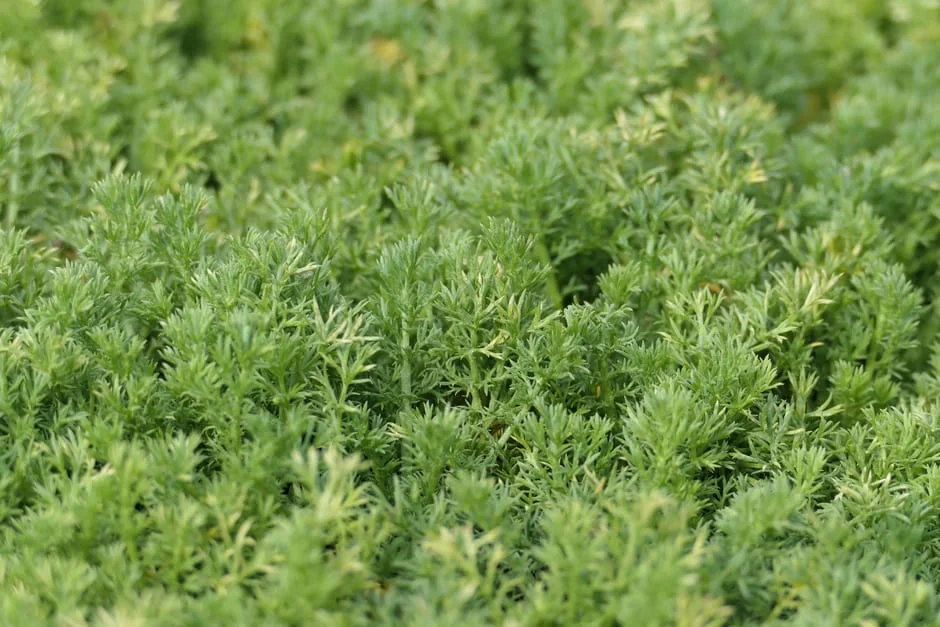
If you want to grow a fragrant chamomile lawn, the traditional choice is the non-flowering ornamental variety ‘T°ù±ð²Ô±ð²¹²µ³Ü±ð’, which forms a dense carpet of aromatic feathery foliage that doesn’t need clipping. But if you want flowers in your chamomile lawn, a good alternative is the dwarf variety ‘Flore Pleno’, with white pompom blooms. Dwarf varieties are also great in herb gardens, containers and as border edging, and can be grown in gaps in paving or in gravel areas, in even the smallest gardens.
To help you choose what to grow, visit the herb collections at the RHS gardens, where you can explore a wide range of herbs, including chamomile. You can see how they’re grown, compare the different types and pick up growing tips.
What and where to buy
The seeds of common chamomile and German chamomile are widely available in garden centres and from online seed suppliers. Both are sold as ‘chamomile’, so check the description and botanical name carefully to make sure you get the type you want. Named varieties of common chamomile are available as plants, mostly in spring and summer, from gardening retailers and specialist herb nurseries.
If you want to make a chamomile lawn and don’t need flowers for making tea, look for the dwarf variety ‘T°ù±ð²Ô±ð²¹²µ³Ü±ð’. This can only be bought as plants, as it doesn’t flower or produce seeds. Trays of may be available for planting larger areas.
Recommended Varieties


Sowing
Both common chamomile and German chamomile are easy to grow from seed, indoors or outside. They grow quickly and should start flowering in as little as ten weeks.
Sowing indoors
In spring, sow chamomile seeds into small pots or trays of damp, peat-free – just scatter the seeds thinly on the surface as they need light to germinate. When the are large enough to handle, move them into individual pots. Keep in a warm, bright location and water regularly, aiming to keep the just moist. The young plants can be outside in late spring or early summer – see Planting, below.
Sowing outdoors
Sow chamomile seeds into warm soil from mid-spring onwards. The seeds need light to germinate, so don’t cover them. Water as needed, aiming to keep the soil evenly moist, and provide protection from slugs and snails. Thin seedlings to 15cm (6in) apart once large enough to easily handle.
Planting
Young chamomile plants – either grown from seed indoors or bought as young plants – can be into the garden in late spring and early summer. Harden them off first, to acclimatise them to outdoor conditions.
Choose a sunny planting site with light, well-drained soil that doesn’t dry out totally or get . Weed the area thoroughly then position the chamomile plants at the same level they were previously growing, about 15cm (6in) apart, and water in well. Dwarf varieties can also be planted in a container filled with peat-free soil-based or multi-purpose .
Planting a chamomile lawn
To create a chamomile lawn or chamomile seat, start by weeding the area thoroughly, as chamomile doesn’t compete well with other plants. Plant suitable, dwarf varieties 10cm (4in) apart and water in well. Bear in mind that a large chamomile lawn needs a lot of plants (about 100 per square metre/yard), so it’s usually best to start with a small area and increase it gradually by dividing .
Plant Care
Once established, chamomile needs little maintenance. Simply water as needed in dry spells to prevent drying out, and clip back lightly if plants become leggy. The more flowers you harvest, the more they will produce.
A chamomile lawn needs a little more upkeep – weed regularly to keep it looking neat and ensure the plants grow strongly without competition. Bear in mind that chamomile lawns are not as robust as grass lawns and can’t cope with regular foot traffic.
Watering
Water young chamomile plants regularly until well-rooted. Once established, they shouldn't need regular watering apart from in long, dry spells.
Plants in containers dry out more quickly than those in the ground, so check daily and water as needed to keep the evenly moist. Take care not to overwater, as chamomile dislikes very wet conditions.
Feeding
Chamomile should grow and flower well without feeding, even in poor soil.
Weeding
Keep and young plants weed-free to reduce competition and help them get established. With a chamomile lawn, weed regularly by hand, as low-growing chamomile plants can quickly become swamped by more vigorous weeds.
Cutting back
Common chamomile can become leggy over time, so clip plants back several times through the to keep them compact, dense and bushy.
With a chamomile lawn, the non-flowering variety ‘T°ù±ð²Ô±ð²¹²µ³Ü±ð’ doesn’t need clipping as it stays naturally low to the ground. If flowering chamomile is grown as a lawn, clip it back in late summer with shears to remove the old flower stems.
Propagating
You can collect seeds of common chamomile and German chamomile in late summer, to sow the following spring. Both of these may also self-seed, in which case you can simply dig up any in late spring or early summer and move them to your preferred growing site. German chamomile is an annual, so plants die off once they’ve produced seeds.
The varieties ‘T°ù±ð²Ô±ð²¹²µ³Ü±ð’ and ‘Flore Pleno’ don’t produce viable seeds, but you can make new plants by dividing established mats in autumn or spring. Simply dig up a section and pull it apart into separate plants, then replant them in a new location straight away, and water in well. This is a useful way to extend a chamomile lawn and fill any gaps that may develop.
Harvesting

Pick newly-opened chamomile flowers throughout the summer. Regular harvesting and deadheading will encourage further flowers and prolong your harvest. The flowers can be used fresh for making tea or dried for later use. Dried flowers can also be used in pot pourri and herbal pillows, and as decoration. To dry them, spread the flowers on a tray in a single layer and place somewhere warm and dry, out of direct sunlight, for a week or two. Once fully dried, store in an air-tight jar in a cool, dark place.
Problem Solving
Once established, chamomile is generally healthy and trouble-free when grown in a sunny spot with free-draining soil. Waterlogging, especially in winter, can cause plants to rot. Chamomile also dislikes drying out in summer. Slugs, snails and aphids may be attracted to the soft young shoots – see Common problems below for tips on tackling them.
If a chamomile lawn becomes gappy, there are several potential causes: it has been walked on too much, the soil dried out or got too damp, or the plants didn’t get enough sun. Make sure weeds don’t get established in any gaps, as they will spoil the look of the lawn and shade out the low-growing chamomile plants. To fill bare patches or extend the lawn, divide thriving clumps in spring or autumn (see Propagating, above).
Common Problems


Slugs and snails
Slugs and snails are common garden animals, and they are well suited to the damp, mild climate of the UK. A few species feed on garden plants, but mos...
