91µ¼º½

Vicia sativa

RHS Plant Profile
common vetch
common vetch RHS

Other common names

fetch, fetches, fitches, lintels, lints, tare, spring vetch

Plants for pollinators
Annual Biennial

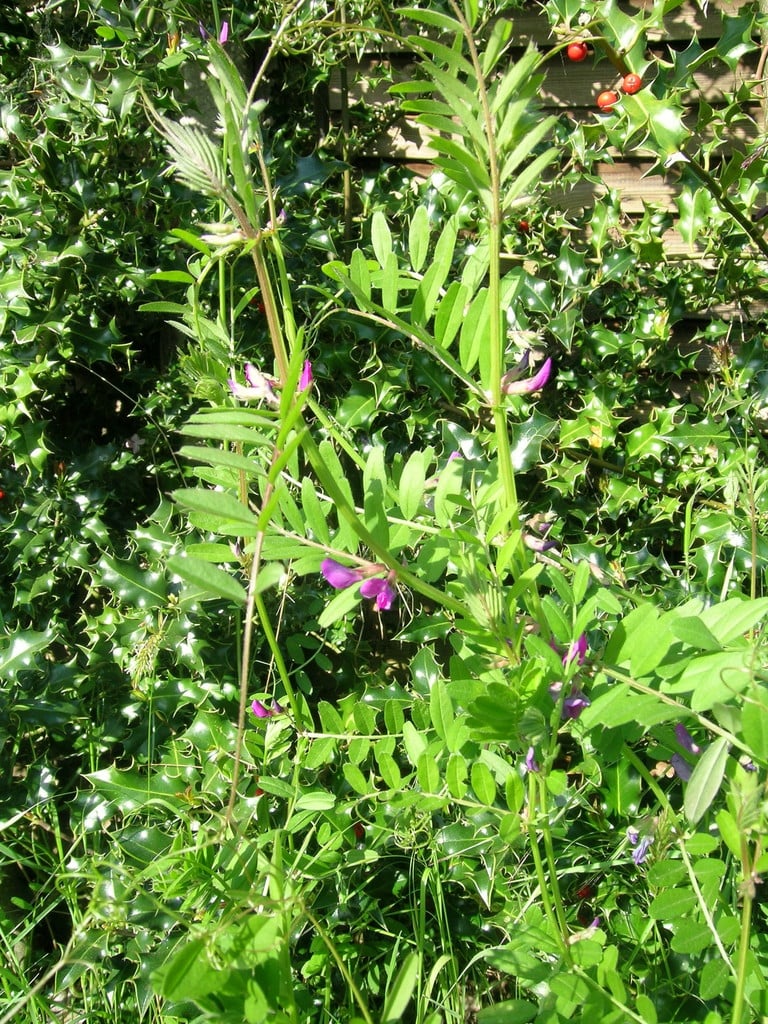
The common vetch is a downy, scrambling annual that reaches 75cm in height. Leaves are composed of pairs of opposite leaflets and end with a tendril. Cerise flowers, 2-3cm across, in typical pea shape form, are borne singly or in pairs from April to September

Position

Full sun

Soil Types

Chalk, Loam, Sand

Max Height

0.5-1 metres

Max Spread

0.1-0.5 metres

Size

Time to Maturity
1 year
Max Spread
0.1-0.5 metres
Max Height
0.5-1 metres

Growing Conditions

Chalk Loam Sand
Moisture
°Â±ð±ô±ô–d°ù²¹¾±²Ô±ð»å
pH
Acid or Alkaline or Neutral

Position

Full sun
Aspect
East–facing or South–facing or West–facing
Exposure
Sheltered
Hardiness
H7

Colour & Scent

Season Stem Flower Foliage Fruit
Spring
Summer
Autumn
Winter

Botanical Details

Family
Fabaceae
Native to GB/Ireland
Yes
Foliage
Deciduous
Habit
Climbing
Genus
Vicia are annuals, herbaceous perennials or climbers; leaves may be simple or divided into many small leaflets, often ending in a tendril. The yellow, purple, white or pink, pea-like flowers are produced in small clusters on the stem or in larger, upright sprays
Name Status
Correct

How to Grow

Cultivation

Occurs naturally in well-drained locations, especially sandy soils. As a legume, this vetch is used as a green manure to fix nitrogen in the soil. See our video for advice

Propagation

Propagate by seed. Scarification may be necessary to break dormancy

Suggested planting locations and garden types

  • Wildflower meadow
  • Wildlife gardens

Pruning

No pruning required

Pests

Generally pest-free

Diseases

Generally disease-free