91µ¼º½

Origanum vulgare

RHS Plant Profile
oregano
oregano RHS

Other common names

English marjoram, grove marjoram, pot marjoram, wild marjoram, wintersweet, penrhudd

Plants for pollinators
Herbs - Culinary Herbaceous Perennial

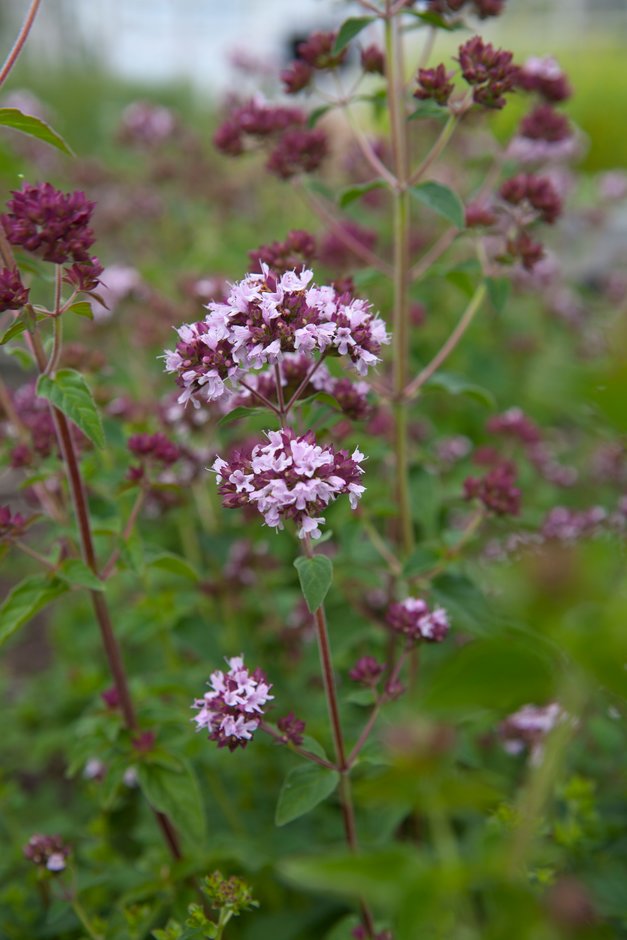
A bushy, woody-based, aromatic perennial sub-shrub with upright stems, 20-80cm tall with small, opposite leaves. Oval, dark-green leaves are approximately 3cm long. Bears panicle-like, loose clusters of small, 4mm long tubular pink flowers in summer and early autumn. The flowers are loved by bees and pollinators and the leaves are a popular culinary herb

Position

Full sun, Partial shade

Soil Types

Chalk, Loam, Sand

Max Height

0.5-1 metres

Max Spread

0.5-1 metres

Size

Time to Maturity
2–5 years
Max Spread
0.5-1 metres
Max Height
0.5-1 metres

Growing Conditions

Chalk Loam Sand
Moisture
°Â±ð±ô±ô–d°ù²¹¾±²Ô±ð»å
pH
Acid or Alkaline or Neutral

Position

Full sun Partial shade
Aspect
West–facing or South–facing or North–facing or East–facing
Exposure
Exposed or Sheltered
Hardiness
H6

Colour & Scent

Fragrance Foliage
Season Stem Flower Foliage Fruit
Spring
Summer
Autumn
Winter

Botanical Details

Family
Lamiaceae
Native to GB/Ireland
Yes
Foliage
Deciduous
Habit
Bushy
Genus
Origanum may be herbaceous perennials or deciduous or evergreen sub-shrubs, with aromatic foliage and spikes of small tubular flowers usually with conspicuous bracts
Name Status
Correct
Plant Range
Europe, N. Africa

How to Grow

Cultivation

Grow in a any well-drained (preferably alkaline) soil, in full sun or partial shade. See oregano cultivation for further advice This plant was included in the RHS Origanum (oregano and marjoram) trial 2022-2023 /plants/trials-awards/plant-trial-results/origanum

Propagation

Propagate by seed or by division in the autumn or spring

Suggested planting locations and garden types

  • Cottage and informal garden
  • Wildlife gardens
  • Wildflower meadow
  • City and courtyard gardens
  • Mediterranean climate plants
  • Flower borders and beds

Pruning

Cut back old, flowered stems in early spring

Pests

Generally pest-free

Diseases

Generally disease-free