Size
Ultimate height
1–1.5 metresTime to ultimate height
1–2 yearsUltimate spread
0.1–0.5 metresGrowing conditions
Moisture
Moist but well–drained, °Â±ð±ô±ô–d°ù²¹¾±²Ô±ð»å, ±Ê´Ç´Ç°ù±ô²â–d°ù²¹¾±²Ô±ð»åpH
Acid, Alkaline, NeutralColour & scent
| Stem | Flower | Foliage | Fruit | |
| Spring | Green | |||
|---|---|---|---|---|
| Summer | Pink White | Green | ||
| Autumn | Green | |||
| Winter |
Position
- Full shade
- Full sun
- Partial shade
Aspect
East–facing or North–facing or South–facing or °Â±ð²õ³Ù–f²¹³¦¾±²Ô²µ
Exposure
Exposed or Sheltered Hardiness
H4Botanical details
- Family
- Onagraceae
- Native to GB / Ireland
- No
- Foliage
- Deciduous
- Habit
- Columnar upright
- Genus
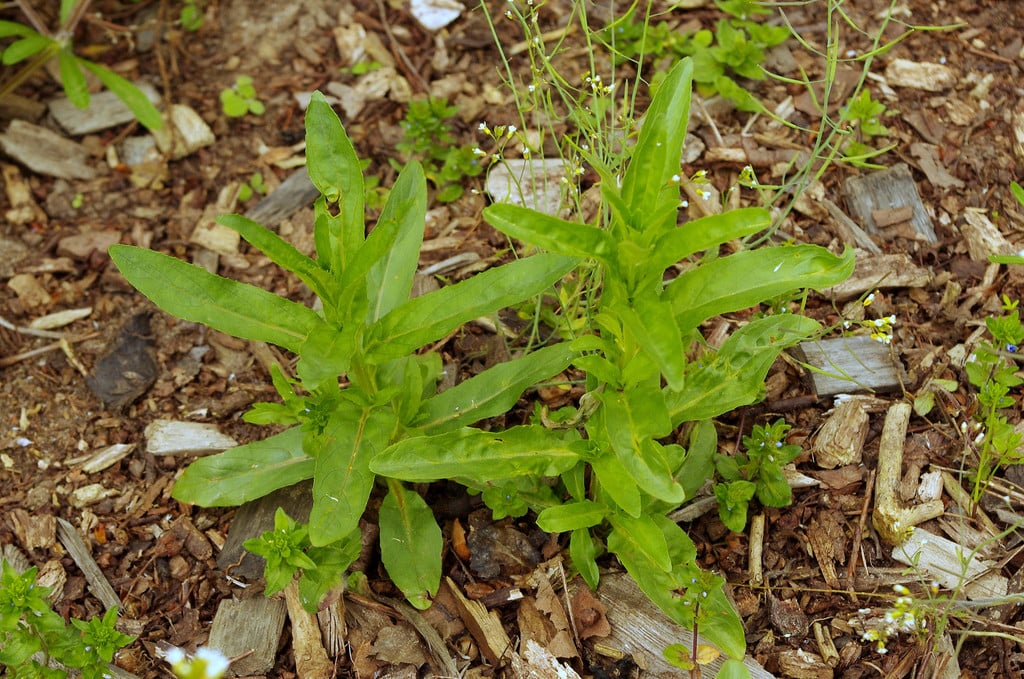
Epilobium can be annuals or perennials, sometimes invasive, with erect stems bearing willowy leaves and showy, 4-petalled flowers in terminal racemes
- Name status
Unresolved
How to grow
Cultivation
Grows best in moist soil in well-lit conditions, but will tolerate shade and a range of soil types. See willowherbs for more information
Propagation
Propagates by seed produced prolifically through the growing season and wind-dispersed. In favourable conditions, life cycle from germination to seed production can complete in ten weeks
Suggested planting locations and garden types
- Wildlife gardens
Pruning
No pruning required
Pests
Generally pest-free
Diseases
Generally disease-free
Get involved
91µ¼º½ is the UK’s leading gardening charity. We aim to enrich everyone’s life through plants, and make the UK a greener and more beautiful place.
