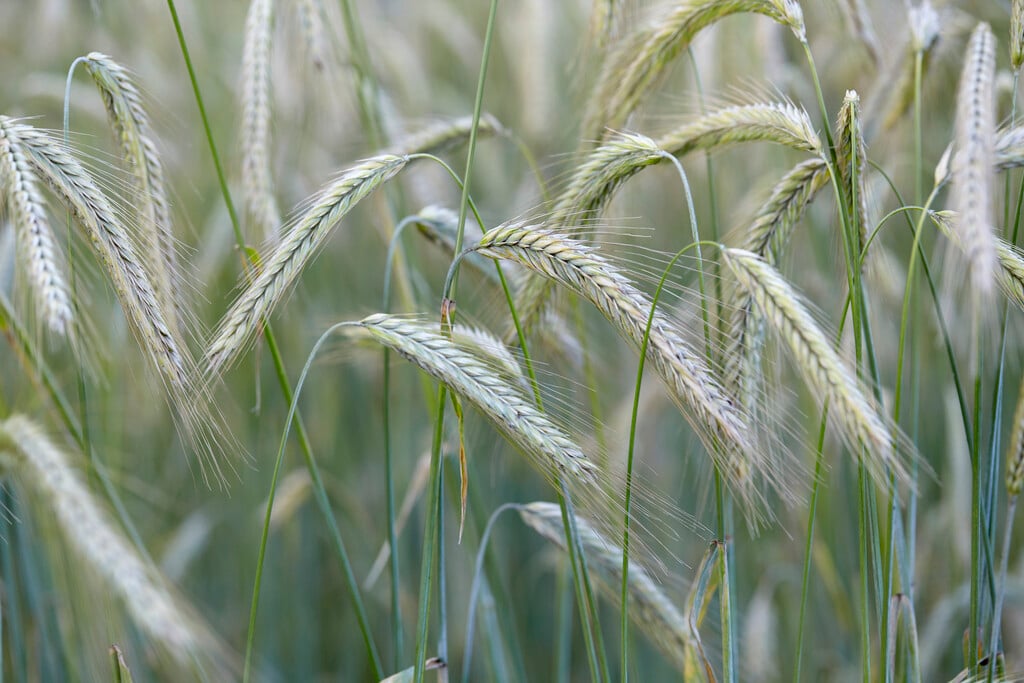
Secale cereale
common rye
A hardy upright, annual ryegrass with blue-green stems which can be grown as a green manure to improve soil structure, suppress weeds and prevent nitrogen loss from the soil during the winter. Ideal for growing on empty vegetable beds where it can be cut down and dug into the soil before vegetables are sown or planted. Sow up to the end of November

Size
Ultimate height
1.5–2.5 metresTime to ultimate height
1 yearUltimate spread
0–0.1 metreGrowing conditions
Moisture
Moist but well–drainedpH
Acid, Alkaline, NeutralColour & scent
| Stem | Flower | Foliage | Fruit | |
| Spring | Green | |||
|---|---|---|---|---|
| Summer | Green | |||
| Autumn | Green | |||
| Winter | Green |
Position
- Full sun
Aspect
South–facing or °Â±ð²õ³Ù–f²¹³¦¾±²Ô²µ
Exposure
Sheltered Hardiness
H5Botanical details
- Family
- Poaceae
- Native to GB / Ireland
- No
- Foliage
- Deciduous
- Habit
- Clump forming, Columnar upright, Tufted
- Name status
Correct
How to grow
Cultivation
Sow onto moist but well-drained empty vegetable beds into weed-free, finely raked soil and keep moist. Allow the plants to overwinter, letting the foliage wilt before cutting down and digging into the soil in spring. Wait for a few weeks before planting your crops. See Using green manures or Green manures on the allotment for further advice
Propagation
Propagate by seed sown directly onto prepared empty vegetable beds from late spring to early autumn
Suggested planting locations and garden types
- Cottage and informal garden
- Flower borders and beds
Pruning
No pruning required. Cut down in spring and dig into the soil as organic matter
Pests
Generally pest-free but young plants may be susceptible to slugs, snails and aphids
Diseases
May be susceptible to fungal diseases, rust and blight
Get involved
91µ¼º½ is the UK’s leading gardening charity. We aim to enrich everyone’s life through plants, and make the UK a greener and more beautiful place.