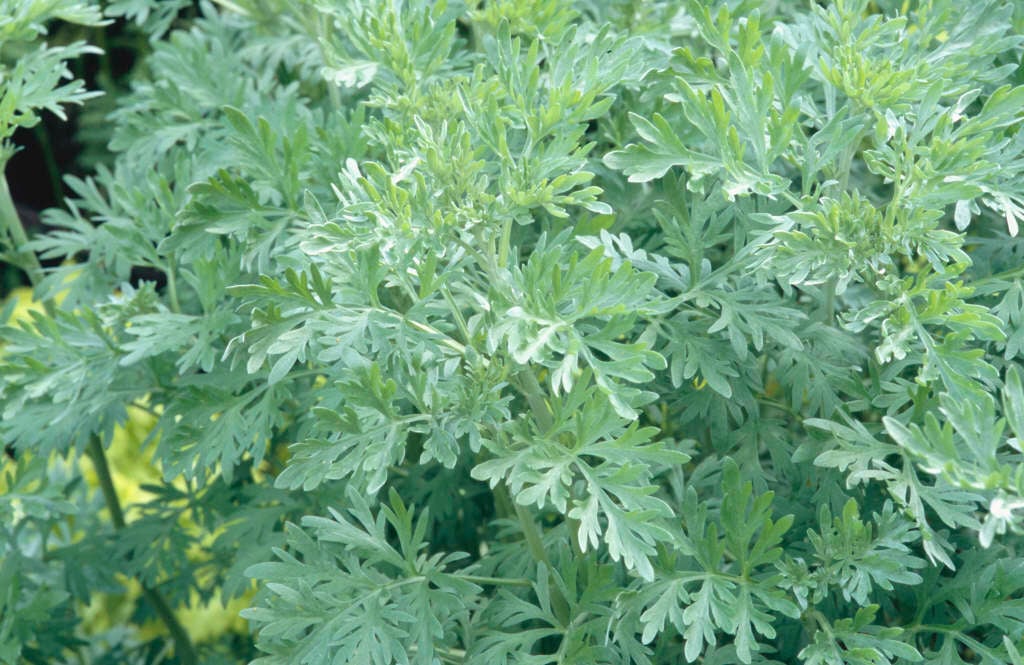
Artemisia arborescens
tree wormwood
An upright, woody, evergreen shrub with aromatic silvery leaves, finely divided into narrow segments. Long, one-sided sprays of small, daisy-like yellow flowers appear in late summer

Buy this plant
Size
Ultimate height
0.5–1 metresTime to ultimate height
2–5 yearsUltimate spread
0.5–1 metresGrowing conditions
Moisture
°Â±ð±ô±ô–d°ù²¹¾±²Ô±ð»åpH
Acid, Alkaline, NeutralColour & scent
| Stem | Flower | Foliage | Fruit | |
| Spring | Grey Silver | |||
|---|---|---|---|---|
| Summer | Yellow | Grey Silver | ||
| Autumn | Grey Silver | |||
| Winter | Grey Silver |
Position
- Full sun
Aspect
South–facing or °Â±ð²õ³Ù–f²¹³¦¾±²Ô²µ
Exposure
Sheltered Hardiness
H4Botanical details
- Family
- Asteraceae
- Native to GB / Ireland
- No
- Foliage
- Evergreen
- Habit
- Bushy
- Genus
Artemisia can be shrubs, perennials or annuals, evergreen or deciduous, with usually grey, aromatic, often divided foliage and rather insignificant flower-heads
- Name status
Correct
- Plant range
- S Europe
How to grow
Cultivation
Grow in fertile well-drained soil in sun. Can die back in heavy, poorly-drained soil
Propagation
Root softwood stem-tip cuttings or heel cuttings of side-shoots in spring or early summer. Propagate by seed sown in containers in spring or autumn in a cold frame. Take cuttings regularly as plant may not survive harsh winters
Suggested planting locations and garden types
- City and courtyard gardens
- Coastal
- Gravel garden
- Cottage and informal garden
- Flower borders and beds
Pruning
Pruning Group 7 Cut back to the lowest, new shoots near the base in mid to late spring
Pests
Generally pest-free
Diseases
May be susceptible to honey fungus
Get involved
91µ¼º½ is the UK’s leading gardening charity. We aim to enrich everyone’s life through plants, and make the UK a greener and more beautiful place.