91µ¼º½

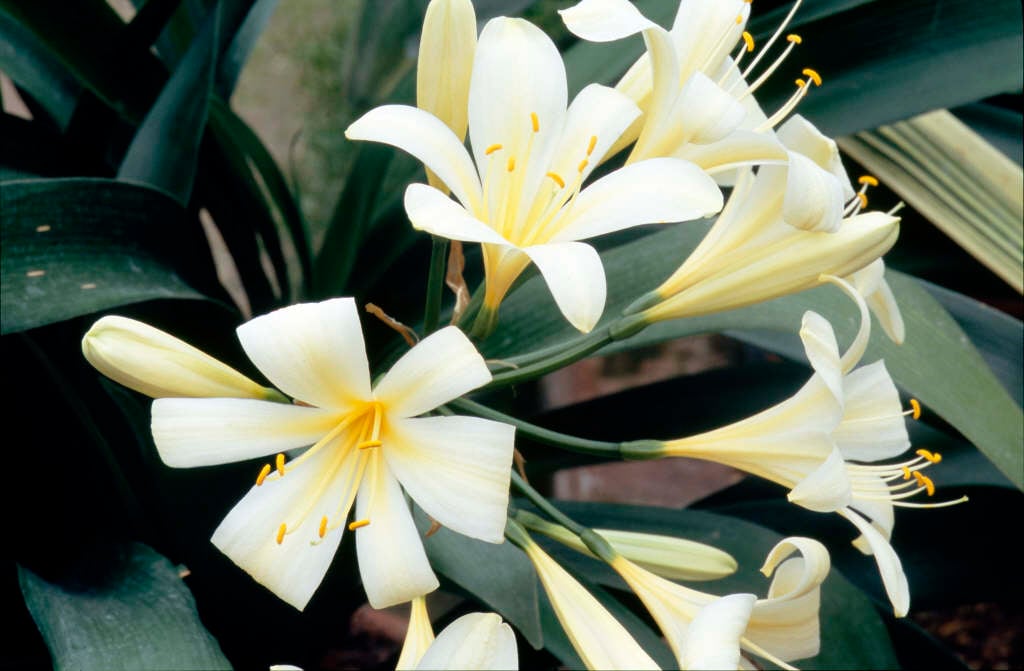
Clivia miniata var. citrina

RHS Plant Profile
lemon-coloured Natal lily
lemon-coloured Natal lily RHS

Synonyms

Clivia miniata yellow-flowered

Conservatory Greenhouse Houseplants

An evergreen perennial with strap-shaped leaves and umbels of light lemon-yellow, trumpet-shaped flowers to 7cm long in spring and summer

Position

Full sun, Partial shade

Soil Types

Chalk, Clay, Loam, Sand

Max Height

0.1-0.5 metres

Max Spread

0.1-0.5 metres

Size

Time to Maturity
2–5 years
Max Spread
0.1-0.5 metres
Max Height
0.1-0.5 metres

Growing Conditions

Chalk Clay Loam Sand
Moisture
°Â±ð±ô±ô–d°ù²¹¾±²Ô±ð»å
pH
Acid or Alkaline or Neutral

Position

Full sun Partial shade
Aspect
North–facing or West–facing or East–facing
Exposure
Sheltered
Hardiness
H1C

Colour & Scent

Season Stem Flower Foliage Fruit
Spring
Summer
Autumn
Winter

Botanical Details

Family
Amaryllidaceae
Native to GB/Ireland
No
Foliage
Evergreen
Habit
Bushy
Potentially harmful
All parts may cause a stomach upset if ingestedsap may irritate skin. Wear gloves and other protective equipment when handling
Genus
Clivia are evergreen perennials, the strap-shaped leaves sheathing to form a swollen bulb-like base. Showy trumpet-shaped or tubular flowers are borne in an umbel on a stout erect stem
Name Status
Correct
Plant Range
South Africa (Natal)

How to Grow

Cultivation

Under glass grow in peat-free, loam-based potting compost with added leaf mould and grit, in bright filtered light with shade from hot sun. Water freely in summer and keep barely moist in winter. Apply a balanced liquid fertiliser weekly when in growth up to flower bud formation. Do not repot regularly as these plants resent root disturbance and need a restricted root run to encourage flowering

Propagation

Propagate by seed at 16-21°C as soon as ripe or by division in late winter or early spring

Suggested planting locations and garden types

  • Patio and container plants

Pruning

No pruning required

Pests

May be susceptible to mealybugs

Diseases

Generally disease-free