Indigofera heterantha
Himalayan indigo
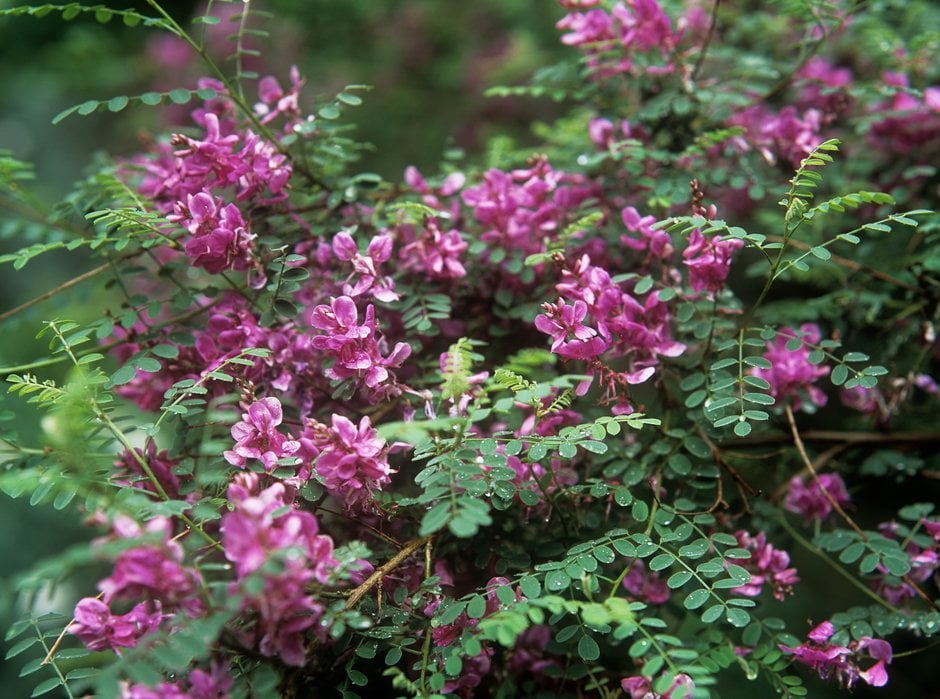
A medium-sized deciduous shrub, herbaceous in colder areas and then making up to 1.2m annual growth. Leaves pinnate with 13-21 small leaflets. Flowers 12mm, rosy-purple, in racemes to 12cm in length from early summer
Size
Ultimate height
1.5–2.5 metresTime to ultimate height
5–10 yearsUltimate spread
1.5–2.5 metresGrowing conditions
Moisture
Moist but well–drained, °Â±ð±ô±ô–d°ù²¹¾±²Ô±ð»åpH
Acid, Alkaline, NeutralColour & scent
| Stem | Flower | Foliage | Fruit | |
| Spring | Grey Silver Green | |||
|---|---|---|---|---|
| Summer | Purple | Grey Silver Green | ||
| Autumn | Purple | Grey Silver Green | ||
| Winter |
Position
- Full sun
Aspect
North–facing or West–facing or East–facing or ³§´Ç³Ü³Ù³ó–f²¹³¦¾±²Ô²µ
Exposure
Exposed or Sheltered Hardiness
H5Botanical details
- Family
- Fabaceae
- Native to GB / Ireland
- No
- Foliage
- Deciduous
- Habit
- Bushy
- Genus
Indigofera can be deciduous or evergreen trees or shrubs, herbaceous perennials or annuals with pinnate leaves and spikes or racemes of small, pea-like flowers in summer or autumn
- Name status
Correct
- Plant range
- NW Himalaya
How to grow
Cultivation
Grow in well-drained soil in full sun
Propagation
Propagate by seed or semi-hardwood cuttings
Suggested planting locations and garden types
- Low Maintenance
- Flower borders and beds
- Banks and slopes
- Wall side borders
Pruning
Pruning group 1 or Pruning group 13 if wall trained, but can be hard pruned in spring if needed
Pests
Generally pest-free
Diseases
May be susceptible to honey fungus in gardens where it is present but insufficient data to determine degree of susceptibility
Get involved
The RHS is the UK’s gardening charity, helping people and plants to grow - nurturing a healthier, happier world, one person and one plant at a time.