91µ¼º½

Thymus serpyllum 'Snowdrift'

RHS Plant Profile
creeping thyme 'Snowdrift'
creeping thyme 'Snowdrift' RHS
Plants for pollinators
Alpine Rockery Herbs - Culinary Shrubs

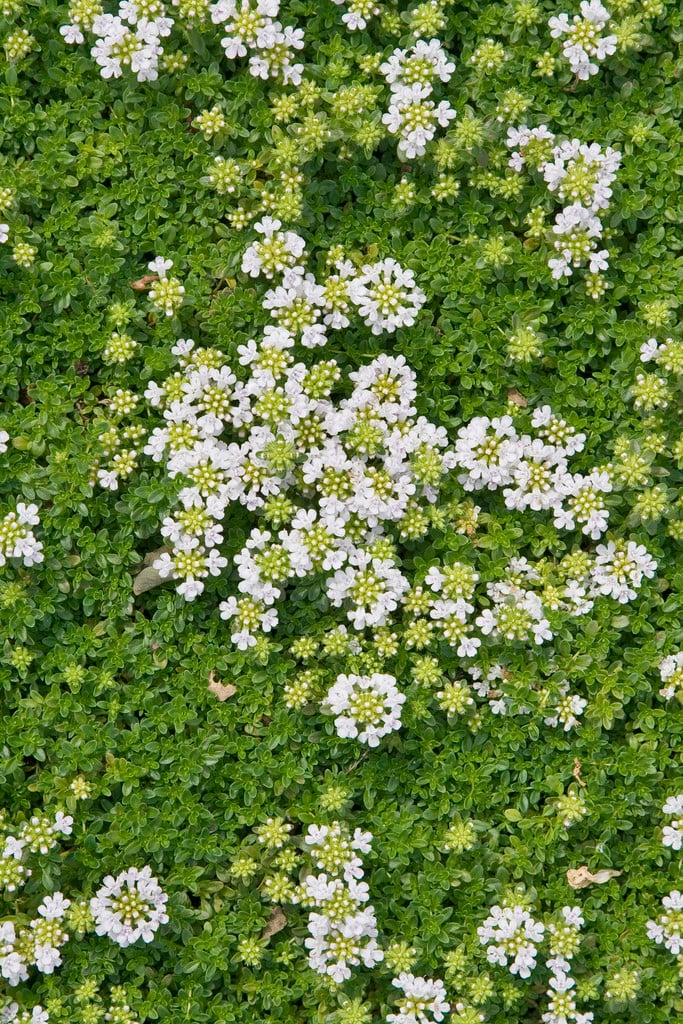
An evergreen, mat-forming sub-shrub. Finely-hairy, trailing stems bear linear to elliptic to oval mid-green leaves. Whorls of two-lipped white flowers are borne in summer

Position

Full sun

Soil Types

Chalk, Loam, Sand

Max Height

Up to 10 cm

Max Spread

0.1-0.5 metres

Size

Time to Maturity
5–10 years
Max Spread
0.1-0.5 metres
Max Height
Up to 10 cm

Growing Conditions

Chalk Loam Sand
Moisture
°Â±ð±ô±ô–d°ù²¹¾±²Ô±ð»å
pH
Acid or Alkaline or Neutral

Position

Full sun
Aspect
South–facing or West–facing or East–facing
Exposure
Exposed or Sheltered
Hardiness
H5
Drought Resistance
Yes

Colour & Scent

Fragrance Foliage
Season Stem Flower Foliage Fruit
Spring
Summer
Autumn
Winter

Botanical Details

Family
Lamiaceae
Native to GB/Ireland
No
Foliage
Evergreen
Habit
Matforming
Genus
Thymus are evergreen woody-based perennials, shrub or sub-shrubs with small aromatic leaves and terminal whorls of small, 2-lipped, tubular, purple, pink or white flowers in late spring or summer
Name Status
Unresolved

How to Grow

Cultivation

Easy to grow in most well-drained alkaline to neutral soils in full sun. Suitable for rock garden or paving crevices, where they release their fragrance when trodden on. Attractive to bees

Propagation

Propagate by semi-ripe cuttings or softwood cuttings in summer

Suggested planting locations and garden types

  • Cottage and informal garden
  • Gravel garden
  • Patio and container plants
  • Rock garden
  • Mediterranean climate plants
  • City and courtyard gardens
  • Wildlife gardens
  • Low Maintenance

Pruning

Trim after flowering to retain compactness

Pests

Generally pest-free

Diseases

Generally disease-free