
Size
Ultimate height
0.5–1 metresTime to ultimate height
5–10 yearsUltimate spread
0.5–1 metresGrowing conditions
Moisture
Moist but well–drainedpH
Acid, Alkaline, NeutralColour & scent
| Stem | Flower | Foliage | Fruit | |
| Spring | Green | |||
|---|---|---|---|---|
| Summer | Green | Red | ||
| Autumn | Green | |||
| Winter | White | Green |
Position
- Full shade
- Partial shade
Aspect
North–facing or West–facing or South–facing or ·¡²¹²õ³Ù–f²¹³¦¾±²Ô²µ
Exposure
Sheltered Hardiness
H5Botanical details
- Family
- Buxaceae
- Native to GB / Ireland
- No
- Foliage
- Evergreen
- Habit
- Bushy
- Potentially harmful
- Fruit are ornamental - not to be eaten. Wear gloves and other protective equipment when handling Pets: Fruit are ornamental - not to be eaten - see the HTA guide to potentially harmful plants for further information and useful contact numbers
- Genus
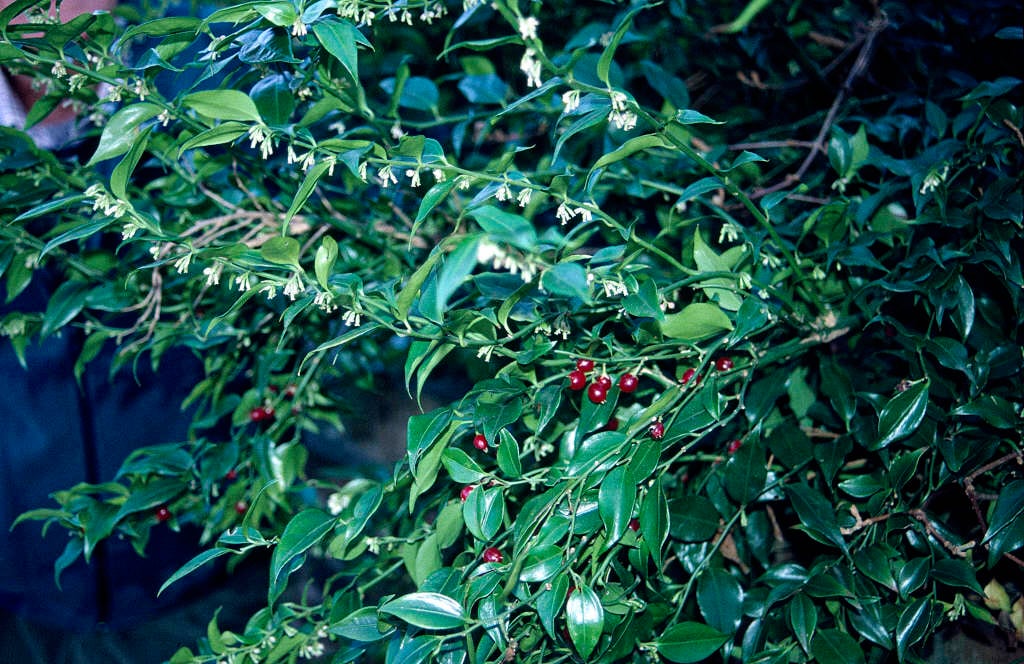
Sarcococca are compact, sometimes suckering evergreen shrubs with simple, leathery leaves and tiny, fragrant creamy-white flowers in winter or spring, followed by red, purple or black berries which may persist into the following winter
- Name status
Correct
- Plant range
- C & W China
How to grow
Cultivation
Grow in moderately fertile, moist but well-drained humus-rich soil in shade. Full sun may be tolerated when planted in damp soil. Also tolerant of atmospheric pollution, dry shade and neglect
Propagation
Propagate by semi-hardwood cuttings in late summer or propagate by seed sown in containers outdoors in autumn or spring
Suggested planting locations and garden types
- Cottage and informal garden
- Wildlife gardens
- Low Maintenance
- Banks and slopes
- Ground cover
Pruning
Pests
Generally pest-free
Diseases
May be susceptible to honey fungus
Get involved
The RHS is the UK’s gardening charity, helping people and plants to grow - nurturing a healthier, happier world, one person and one plant at a time.