RHS, I & I

Appearance
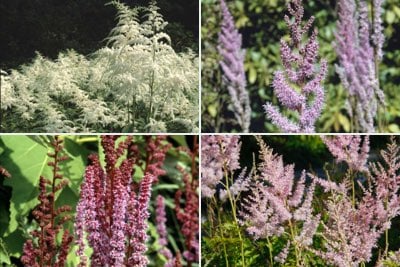
Astilbe flowers come in shades of white, pink or red. They are plume-like, sometimes dense and sometimes airy. The stems are upright and, like the leaves, can be tinged red or bronze. They hold themselves in a stately, upright fashion and do not need staking.
Preferences
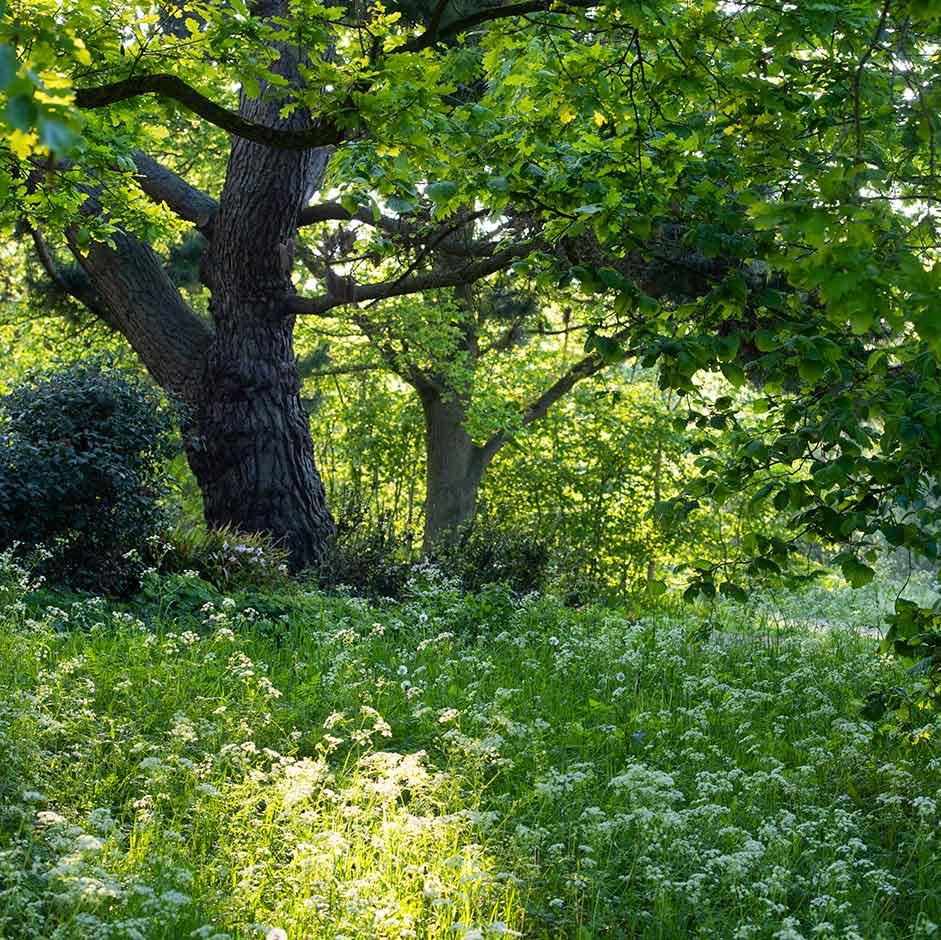
Astilbes like rich, damp soil that contains lots of organic matter. They perform best in light shade, but will cope in a sunny spot as long as the soil stays damp through summer.
Dislikes
These vigorous plants don’t grow well in very poor soil. They also dislike dry conditions, even in summer. The leaves may scorch in hot sunny weather, so position them where they’ll get some midday shade.
Did you know?
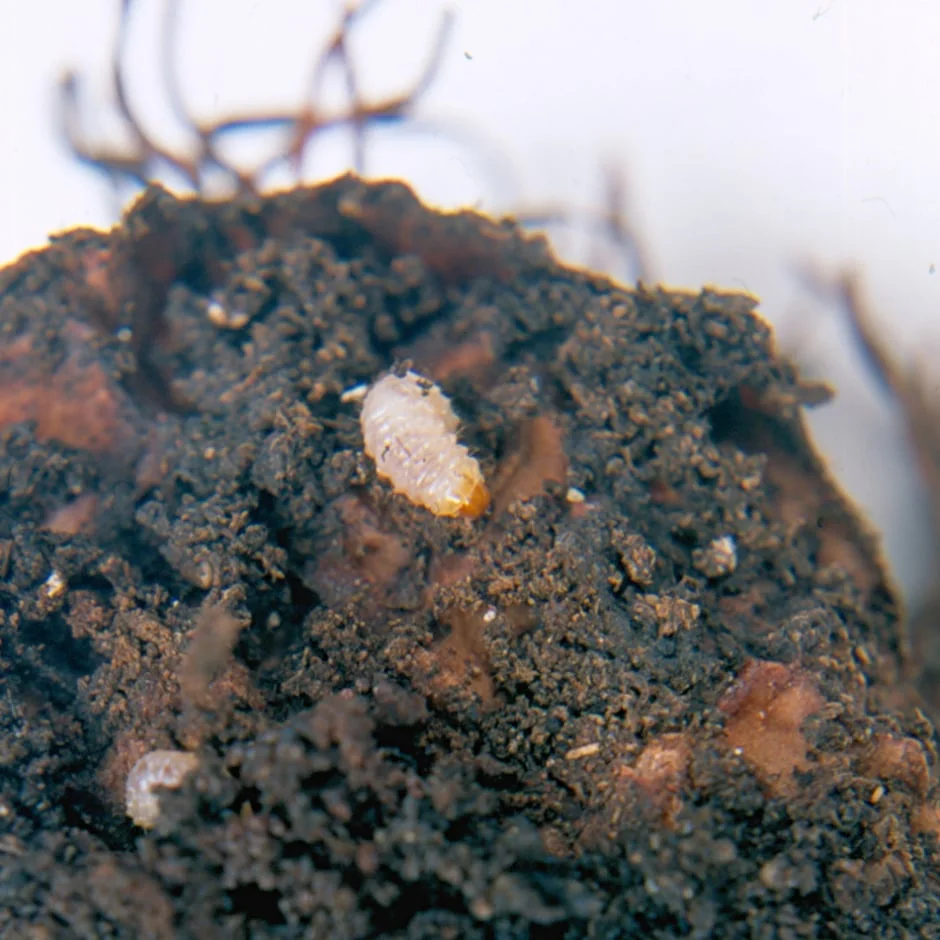
Astilbes are susceptible to vine weevils, whose grubs eat the roots. The most effective treatment is a biological control, which should be watered around the base of plants in late summer.
RHS Growing Guide
FREE
Read our comprehensive free RHS Growing Guide:
How to grow astilbe
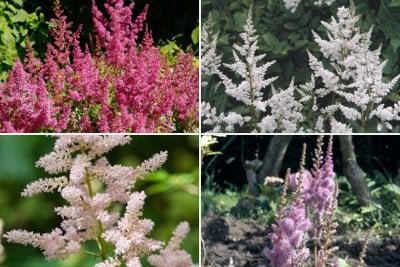

Introducing Astilbe


Astilbe 'Red Sentinel' (_japonica_ hybrid)
astilbe 'Red Sentinel'
- Height
- 0.5–1 metres
- Width
- 0.5–1 metres


Astilbe 'Deutschland' (_japonica_ hybrid)
astilbe 'Deutschland'
- Height
- 0.5–1 metres
- Width
- 0.1–0.5 metres

Astilbe 'Straussenfeder' (_thunbergii_ hybrid)
astilbe 'Straussenfeder'
- Height
- 0.5–1 metres
- Width
- 0.1–0.5 metres

Astilbe 'Bressingham Beauty' (× _arendsii_)
astilbe 'Bressingham Beauty'
- Height
- 0.5–1 metres
- Width
- 0.5–1 metres

Astilbe 'Brautschleier' (× _arendsii_)
astilbe 'Brautschleier'
- Height
- 0.5–1 metres
- Width
- 0.1–0.5 metres


Astilbe 'Bronce Elegans' (_simplicifolia_ hybrid)
astilbe 'Bronce Elegans'
- Height
- 0.1–0.5 metres
- Width
- 0.1–0.5 metres

x of x
Showing
x to x
of x