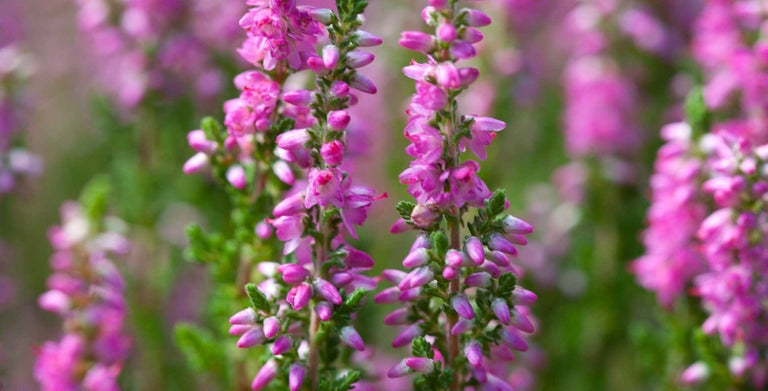
Quick Facts
Easy to grow in well-drained acidic (ericaceous) soil
1
Flowers best in a sunny position
2
Bees love the flowers
3
Evergreen ground cover with a selection of foliage colours for added interest
4
Long flowering period
5
Plant in spring or autumn
6
Great for containers
7


Before you get started
Choosing a calluna
There are hundreds of calluna cultivars, so there is lots of variety in flower and foliage colours. To make it easier for you to choose, begin by going for the plants offering the colours you prefer, as they are otherwise similarly easy to grow.
When choosing calluna it also helps to bear in mind the following:
- Calluna need a sunny open position
- Grow in ( 5.5) to neutral (soil) as plants will fail to thrive at higher (alkaline) pHs. There are a couple of ways to check the pH of your soil. The simplest is to look at the plants in your garden/neighbours' gardens. If rhododendrons, camellias and blue-flowered hydrangea are growing there, the soil is likely to be acidic. If you don't have these plants or are unsure, use a pH test kit. If it turns out that you have unsuitable for calluna, you could still grow calluna in containers using peat-free (acidic) potting
- Plant in groups of three or five for an impressive show of colour and to create effective ground cover. Calluna are usually low growing and range in height from about 20cm (8in) to 60cm (2ft) tall. They can spread to about 75cm (30in) wide
- As well a traditional calluna cultivars, you will now see for sale the Calluna Bloomers series. This has an upright growth habit and the plants are usually compact with a long flowering period. They are good in window boxes or patio containers
- Calluna are very attractive to bees and great in wildlife gardens, but those with double flowers or the popular Bud Bloomers series which produce masses of colourful closed buds only, do not have any value as a pollen or source
Whatever your preferences, consider going for calluna that have received the RHS Award of Garden Merit as these have been tested and perform well in average garden conditions.
Buying calluna
You can expect to buy calluna in 9cm (3½in) or 1-2 litre pots at most times of the year from garden centres and nurseries. The smaller plants just take a year extra to reach the size of those sold in bigger pots, but they are quite a bit cheaper so a great option for those on a tighter budget.
Use our Find a Plant tool for stockists nearby.
Planting
When to plant
Ideally plant in spring, as the warm, moist conditions will help the plants roots establish in the soil. If you buy calluna in summer and autumn, you can still plant, just make sure they are well watered in dry spells as the soil needs to stay moist but not soggy.
Where to plant
Calluna are easy to grow in the garden if the conditions are right. The soil needs to be acidic (see Choosing a Calluna above) and a sunny well-drained soil for planting, as calluna can rot off if conditions are too wet.
How to plant
In the ground:
- Dig in organic matter, such as well-rotted leaf mould, composted pine needles or composted bracken (which are suitable for plants), to the soil excavated from the planting hole and before backfilling and firming the soil around the roots
- Plant so that the top of is level with the surrounding soil
- Firm in the rootball with your hands to remove any air pockets. The top of the rootball should be just below the soil when finished.
- Water well after planting, aiming for the soil to be moist but not soggy
See our step-by-step guide to planting a shrub to help you plant your heather.
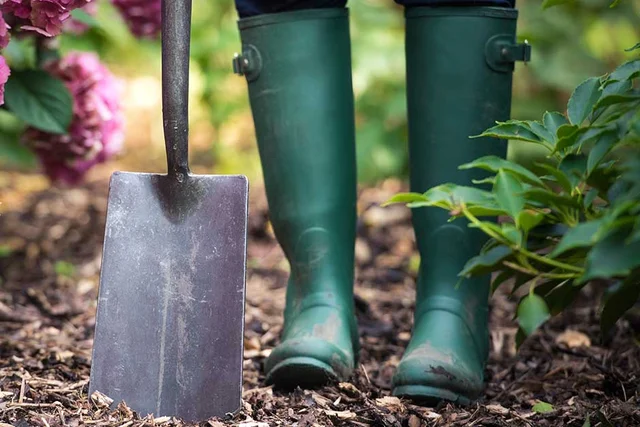
In containers:
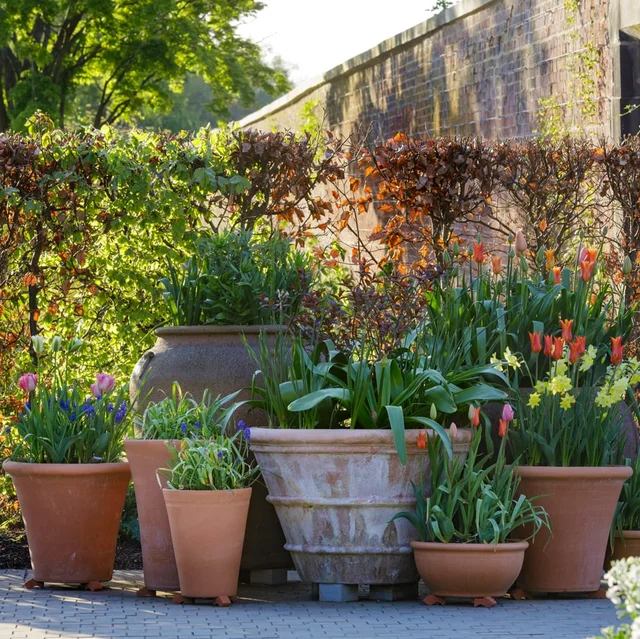
- They grow well in window boxes, patio pots and hanging baskets
- When planting calluna in any container, make sure the pot has good drainage holes
- Use a peat-free ericaceous . This is acidic, so ideal for these plants (they'll fail to thrive in normal multi-purpose compost)
- Add some slow-release ericaceous fertiliser to the compost to provide feed for the first summer
- Repot every three years or so to ensure good growth
- They will eventually need a pot approximately 45cm (18in) wide, depending on the spread of the plants
Ongoing Care
Watering
Water plants in the first 18 months after planting until established, aiming to keep the soil moist but not soggy. They should be fine after that as Calluna are usually drought tolerant.
Feeding
On a fertile soil, no feeding is required. An annual of organic matter such as well-rotted leaf mould or composted pine needles will suffice.
For container grown plants, add some slow-release fertiliser annually in March/April to keep them flowering well or use a liquid feed such as Phostrogen between April and September according to the instructions.
Deadheading
You can deadhead after flowering to remove the brown flower heads and improve the plant's appearance. The simplest way to do this is with a pair of shears, snipping off the flower stalks just above the foliage.
Overwintering
No special treatment is required in winter unless you are growing these plants in containers – just make sure pots have good drainage and they do not sit in water over winter.
Pruning and Training
Prune calluna after flowering.
- Trim off the flowering stems when the flowers have faded to brown
- Calluna do not regenerate well from old wood, so do not cut back too hard
- Calluna are not long-lived plant, and are best replaced every 10 years or so, when they look straggly and tired
Propagating
Calluna can be propagated by layering or taking . If you just want one or two new plants, then try layering:
- Layering is an easy method if you don't have space to take cuttings.
- Select a few stems from the outer edge of the plant
- Make a shallow trench with a trowel, and lay in the stem
- Pin the stem down with hoop of wire
- Cover the stem with soil, leaving the tip showing
- Mound soil around the tip so it is upright
- After a few months, the buried stem will have rooted
- This can then be cut away from the main plant, and elsewhere in the garden
You can also propagate by
- Take semi-ripe cuttings in late summer, using non-flowering material approximately 5cm (2in) long
- Plant in pots of free-draining, peat-free cuttings
- Place in a out of direct sunlight until rooted. Keep just moist as damper conditions will cause them to rot
Problems
Calluna are generally trouble free, but may suffer from fungal diseases such as phytophthora root rot, especially in wet soils.
Rabbits and deer will graze on these plants if they can get into your garden.