Quick Facts
One of the easiest houseplants to grow
1
They like indirect light, but will also cope in light shade
2
Parlour palms are slow growing and don't need repotting as often as many other houseplants
3
Keep at 10–27°C (50–80°F), ideally with moderate humidity
4
Usually 30–60cm (1–2ft) tall (depending on age) and slow growing, so needs little space
5

Before you get started
What are parlour palms?
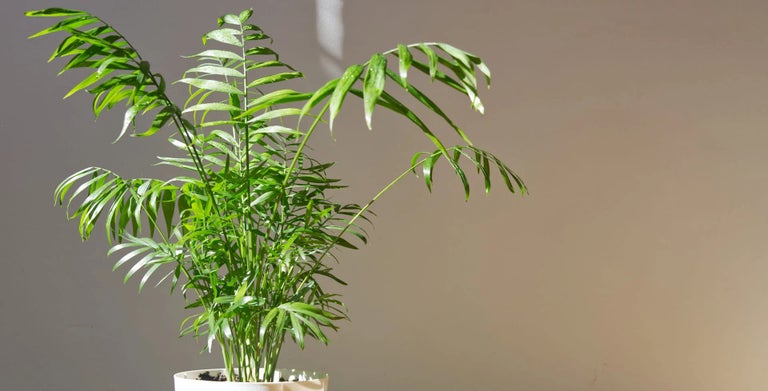
Chamaedorea elegans is a tropical palm, to the rainforests of southern Mexico through to Guatemala, where it grows beneath larger trees. This means it likes warmth and indirect light, making it ideal for life in our homes.
Elegant, yet very easy to grow and needing little maintenance, parlour palms have been popular houseplants since Victorian times, when they were deservedly given pride of place in the parlour, hence their common name. Here, despite the low light, their lush fronds thrived, adding a fashionably exotic touch that is still prized today. Parlour palms are usually grown as a small clump of several single-stemmed plants together in one pot, for maximum impact.
Chamaedorea elegans has an RHS Award of Garden Merit, thanks to being so easy to grow, reliable and widely available, so you can be sure it’s a good choice.
Buying parlour palms
Parlour palms are readily available from most houseplant retailers. They are sold in a range of sizes, depending on their age, with small, young plants usually being very affordable. If you want big impact, it’s worth paying more for a larger specimen, as they grow at a very slow rate.
When buying, choose a healthy-looking plant with unblemished leaves and no signs of wilting or insect damage. As these are tropical plants, take care to keep them warm when bringing them home.
Planting
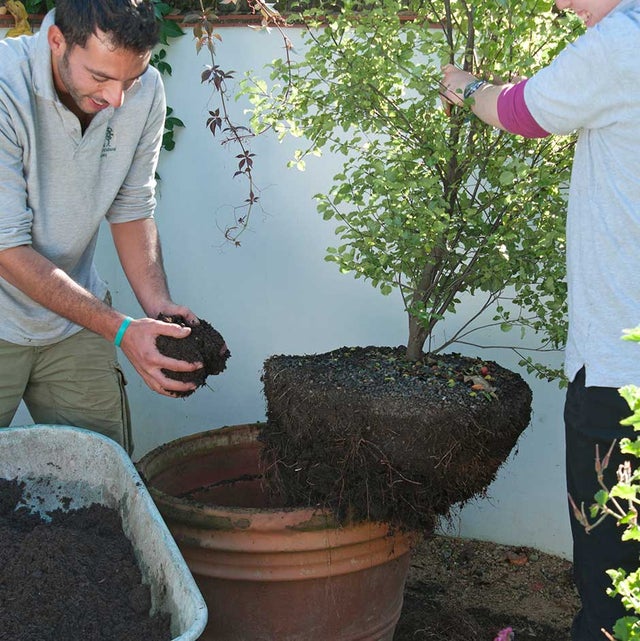
Parlour palms are slow growing and can usually be kept in their original pot for several years. Once the roots become densely crowded, repot your plant in spring into a slightly larger container that’s just a couple of centimetres (about 1in) wider. Avoid using a much larger container (overpotting), as this may lead to root rot.
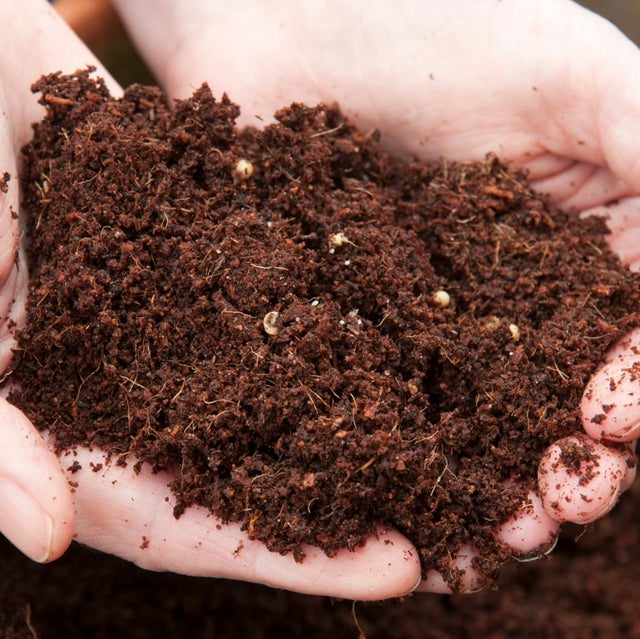
Use a light, fast-draining, peat-free and loam-free ericaceous (acidic) – a suitable mix would be three parts peat-free compost to one part .
Continue repotting every few years, once the roots fill the pot.
See our guides on repotting houseplants:
Ongoing Care
Location
Position your parlour palm in bright but indirect light, for the best growth and healthy green foliage. This should also encourage flowering. Partial shade is also fine, but growth may be a little slower.
Avoid direct sun, especially in summer, as this will scorch the leaves. Too little light will cause the leaves to yellow and growth to be poor.
Temperature
These tropical palms grow best in warmth – ideally 20–27°C (68–80°F) throughout the growing period, from March to October. They can take cooler conditions in winter, when reduced daylight causes growth to slow.
Humidity
While parlour palms don’t generally need high , it is beneficial to mist the leaves regularly as dry air can cause the leaf tips to go brown. This also helps to keep the leaves dust-free and deter red spider mites.
Watering
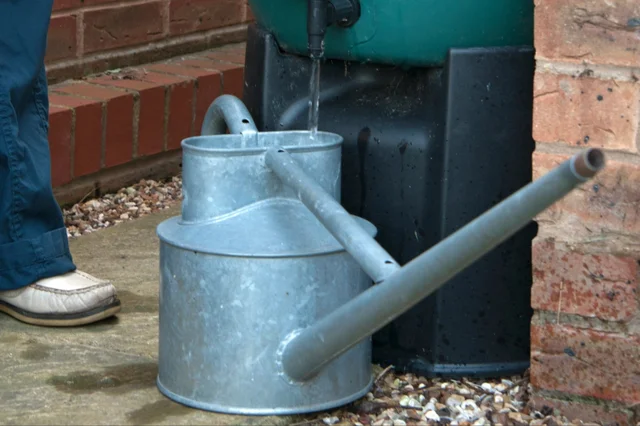
Water when the surface of the has become dry, preferably with rainwater at room temperature. Avoid watering when the compost is still damp and never let the plant sit in water for long periods, as this can lead to root rot. Tip away any excess water in the drip tray or outer pot after a short while.
Reduce watering in winter, when growth slows. The compost may take longer to dry, so always check for moisture with your finger below the surface, before deciding whether to water.
Avoid using hard tap water on a regular basis, as this is alkaline and can harm these plants, causing the leaves to brown. Parlour palms prefer acidic conditions for healthy growth.
Top tip
Wipe the leaves occasionally with a damp cloth to remove dust and help the plant absorb light efficiently.
Feeding
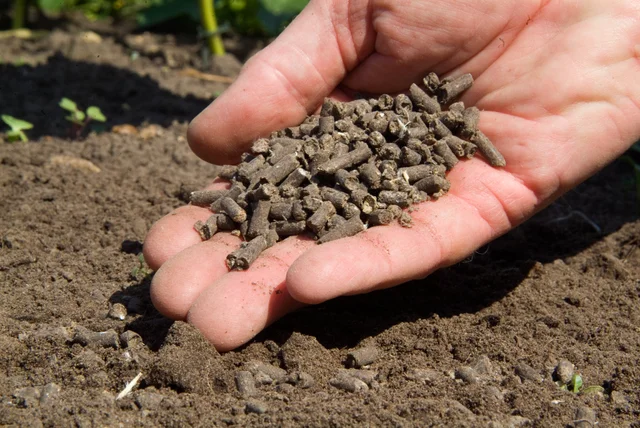
To improve growth, you can apply a balanced liquid feed on a monthly basis through the , from spring to autumn.
Pruning and Training
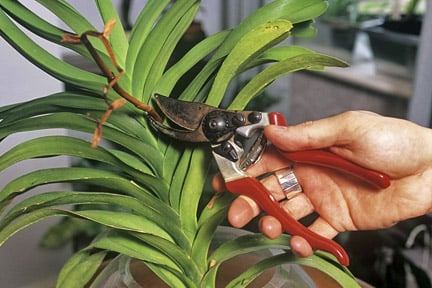
No pruning or training is required, other than occasionally removing any old, dying fronds at the base to keep the plant looking its best.
Propagating
A thriving clump of parlour palms with several trunks, or offsets, can be divided. Remove the plant from its pot and gently pull apart the to make two or more smaller plants, each with one or more stems and plenty of roots.
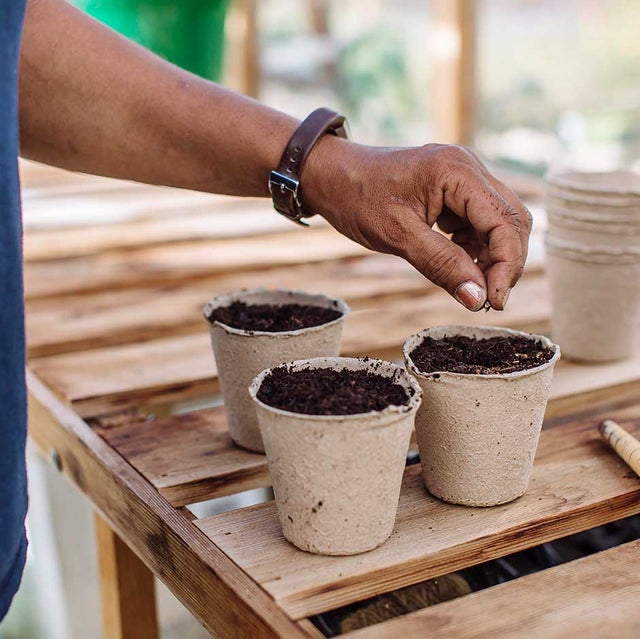
You could also try growing new plants from seed if you have both a female and a male parlour palm. Chamaedorea elegans is dioeceous, meaning a plant is either male or female. If a female plant’s flowers are fertilised by pollen from a male flower, small, round, black fruits will form on the female plant, containing seeds. Sow the seeds in warm conditions, ideally in a , for the best chance of success.
Problems
Parlour palms are generally very easy to grow, long lived and trouble free. Occasional problems include:
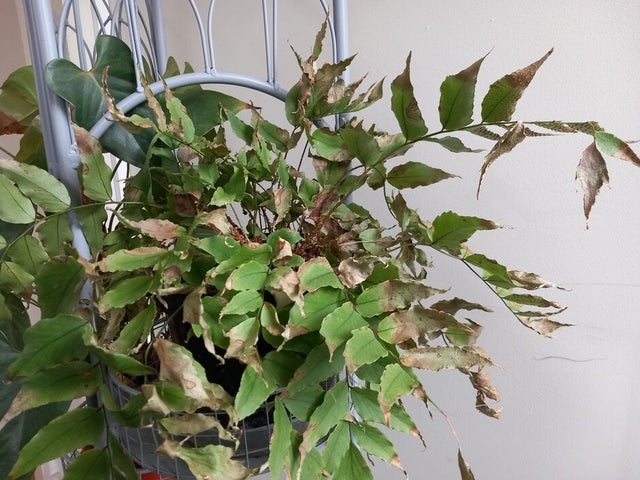
- brown leaves – this can have several causes, including overwatering, underwatering, hard tap water (use rainwater whenever possible) or direct sunlight. Follow the care advice above to ensure healthy foliage. Also see our video guide to light levels and our video guide to houseplant watering
- poor growth – parlour palms are naturally slow growing and compact, typically 30–60cm (1–2ft) tall, but they can reach up to 120cm (4ft) over time. Low light can lead to weaker growth, while overwatering can damage or kill the roots. If the roots are densely crowded, repot into a slightly larger container – see Planting, above. If growth is poor despite good growing conditions, try feeding once a month with a general liquid feed, from spring to autumn
Few insects or diseases affect parlour palms, but do look out for: