Quick Facts
Suitable for all but very wet soils in full sun or partial shade
1
Flowers and berries are attractive to wildlife
2
Some cultivars are effective at trapping pollutants so make great urban hedges
3
Mainly evergreen with different leaf sizes and shapes
4
Deciduous plants can provide great autumn colour
5
On exposed sites evergreen types may suffer leaf damage in severe winters
6
Larger shrubs can be trained as small trees
7
Berries are toxic to humans and pets when eaten in quantity
8


Before you get started
What are cotoneasters?
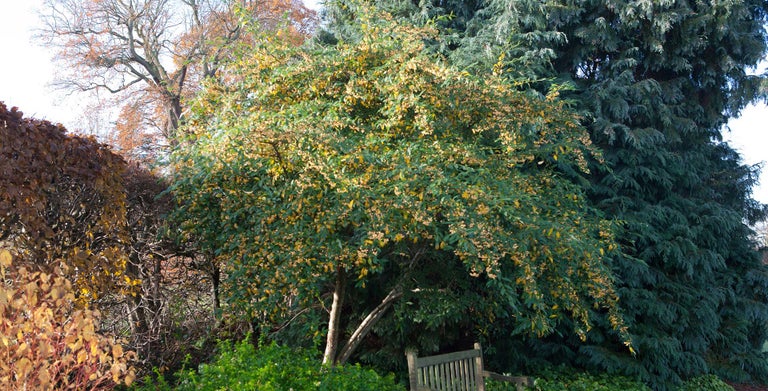
Cotoneasters are a varied group of shrubs belonging to the rose family (Rosaceae). Originating mostly from Eastern Asia, especially China and the Himalayas, they were introduced to the UK in the 19th century as ornamental plants. There are 269 accepted species ranging from low-growing alpine types to larger shrubs that can also be grown as small trees.
Choosing
As there is such a wide range of cotoneasters available, you may want to consider what you intend to use yours for before making your choice. We have recommendations for:
Tree and shrub cotoneasters
Taller cotoneasters give substantial height to borders and make an excellent foil for other plants. Cotoneaster ‘R´Ç³Ù³ó²õ³¦³ó¾±±ô»å¾±²¹²Ô³Ü²õ’, for example, is a semi-evergreen shrub reaching 5m, with clusters of creamy-white berries in autumn. Some large cotoneasters can also make attractive small trees. You can raise the canopy as they grow by removing the lower branches to create a clear trunk. Cotoneaster ‘C´Ç°ù²Ô³Ü²ú¾±²¹â€™ develops a delicate, arching habit and is covered in heavy trusses of bright red berries well into the winter.
Wall-shrub cotoneasters
Cotoneasters have strong woody stems and with some initial training make a great choice for growing up against a wall or fence. Cotoneaster horizontalis is the most widely used butC. franchetii,C. salicifolius and C. lacteus train well onto trellis or wire supports.
Cotoneaster by size
There is a huge size range among different species of cotoneaster. In contrast to the tree-sized ones, C. procumbens ‘Queen of Carpets’ and C. dammeri are low-growing evergreen shrubs that are great for suppressing weeds and preventing soil erosion on slopes. They also clip nicely into low hedges or mounds offering an informal alternative to box hedging.
Cotoneaster for hedges, wall shrubs and banks
The RHS carried out research on the environmental benefits of hedges, and cotoneasters were found to be good choices. Cotoneaster franchetii with its small, oval, hairy leaves was very effective at trapping pollutants as well as its flowers and berries being of value for wildlife.
These lists are certainly not exhaustive so you could also:
- Use the RHS Find a Plant tool to browse profiles on different cotoneaster, with filters to narrow down your search by size and growth habit.
- Visit the National Collection of cotoneaster at in Hampshire.
There are a number of cotoneaster species and cultivars with an RHS Award of Garden Merit, which shows they performed well in RHS trials, so are reliable choices.
Cotoneasters to take care with
Some species of cotoneaster are potentially . These are Cotoneaster bullatus, C. horizontalis,C. integrifolius,C. microphyllus a²Ô»å C. simonsii. It is still lawful to purchase and grow these in gardens but, where possible, seek alternatives, especially if your garden borders open countryside, an Area of Outstanding Natural Beauty or an ecologically sensitive site such as a nature reserve, designated SSSI or National Park.
Buying
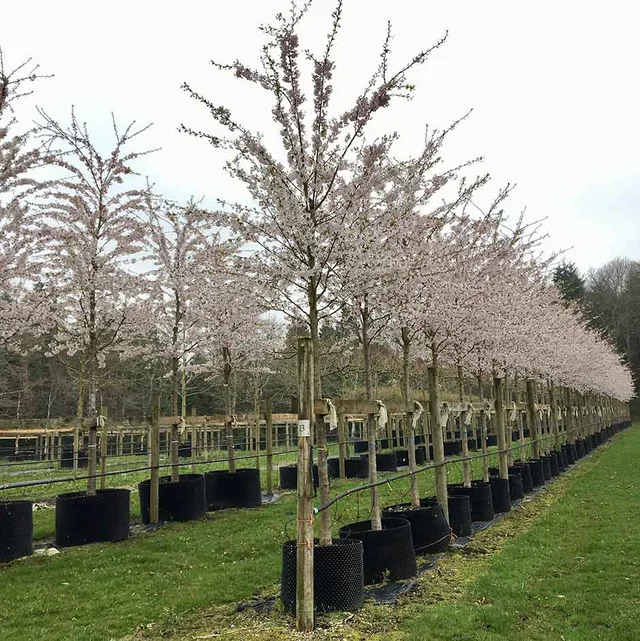
Cotoneasters are widely available all year round in garden centres and nurseries, and from online suppliers, especially shrub and hedging specialists, by mail order. They are usually sold as container-grown plants, in a wide range of sizes, for immediate planting. Hedging plants may be sold as root-wrapped specimens.
Use the RHS Find a Plant tool to track down stockists of specific cultivars.


Planting
When to plant
The best time to plant trees and shrubs is in early to mid-autumn or spring, as warm, moist soil at these times of year aids good root establishment. You can plant over the winter too, if the ground isn't or frozen.
If you buy a cotoneaster during the summer, plant it as soon as you can and water regularly, aiming to keep the soil moist but not soggy.
Where to plant
Cotoneasters are usually resilient and tolerate most situations, though some of the larger-leaved, evergreen varieties can suffer leaf damage on exposed sites in severe winters.
- Plants will flower better and produce more berries if grown in full sun
- Tolerate all but the very wettest soils and once established, grow well on dry soils
- Can be pruned but, if selected as a specimen shrub, better to allow enough room for your plant to reach its full potential
- Some smaller cotoneasters grow well in containers
- If planting next to a wall or fence, plant the root ball at least 45cm away from the structure to allow rain to reach the roots
- They make a great evergreen background for highlighting shrubs with colourful foliage such as Euonymus species, Osmanthus heterophyllus ‘G´Ç²õ³ó¾±°ì¾±â€™ or Leucothoe SCARLETTA (‘Zeblid’)
How to plant
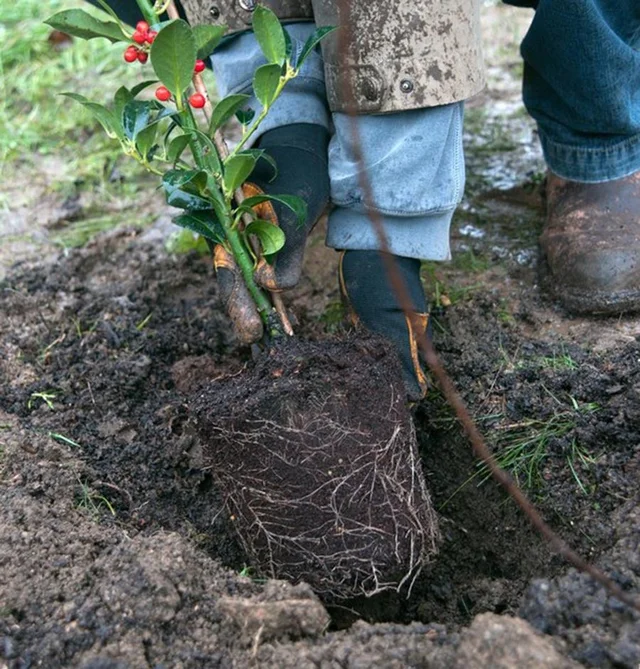
Planting a cotoneaster is quick and easy, but worth doing carefully to ensure your plant settles in well and thrives for years to come. No special soil preparation is required, but if your soil is poor or very heavy, dig in around one bucketful of organic matter per square metre prior to planting.
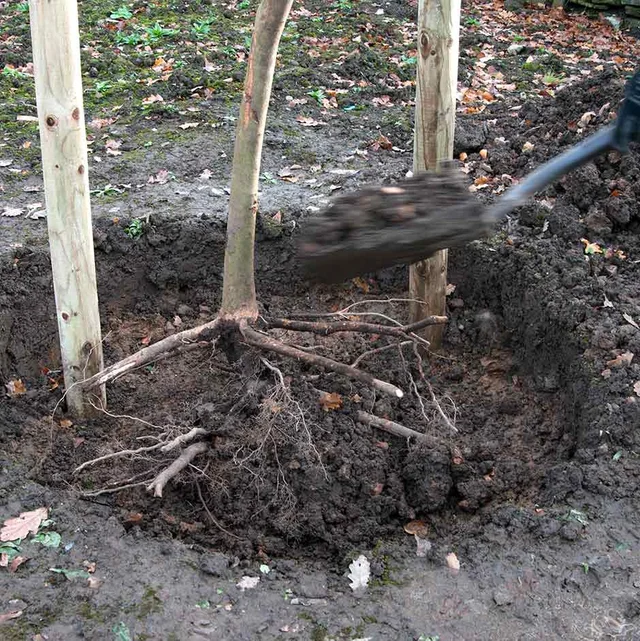
If you've bought a larger specimen to grow into a small tree, put a suitable tree stake in place at planting time.
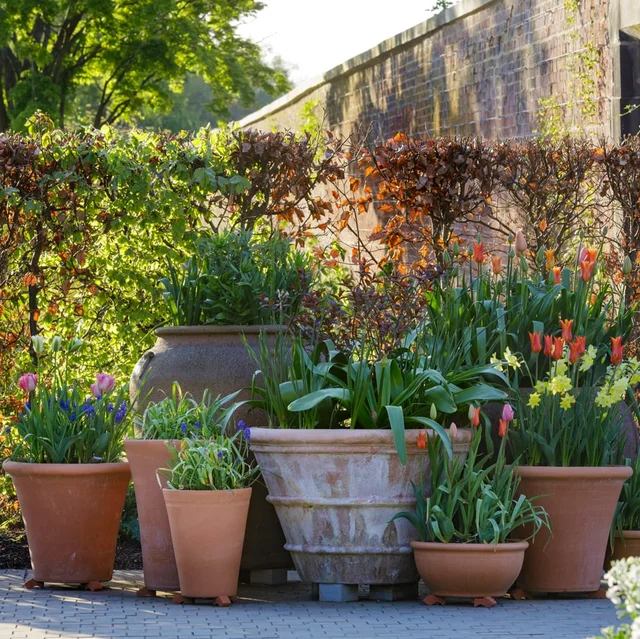
If you are planting your cotoneaster in a container, choose one at least 30cm wide and deep or large enough to accommodate the roots comfortably and fill with a soil-based peat-free compost like John Innes No 3.
Ongoing Care
Watering
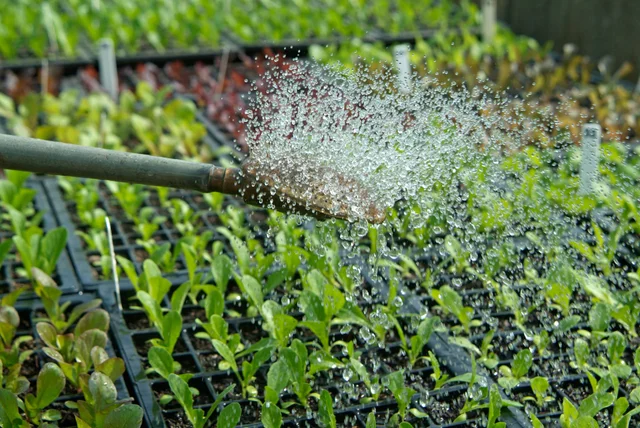
Like most shrubs, cotoneasters should be watered thoroughly when first planted, and during dry spells for their first two years while they are establishing (growing roots into the surrounding soil).
Once established, they are fairly drought tolerant and shouldn’t need additional watering except in prolonged dry spells.
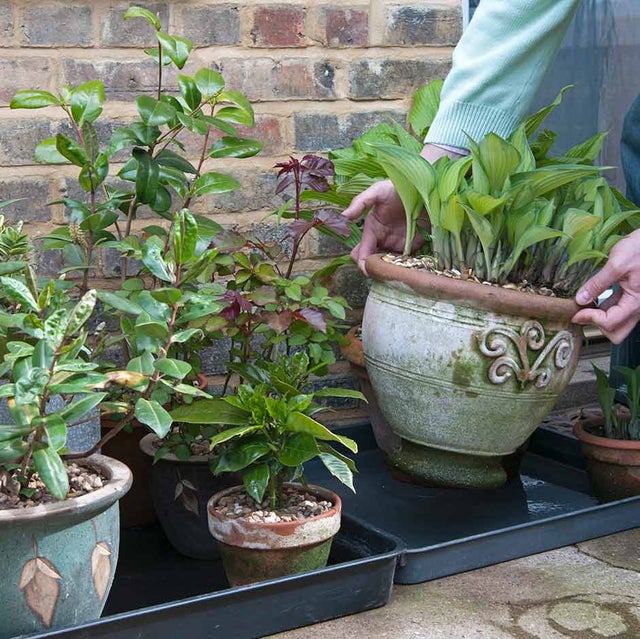
Plants in containers should be checked daily during hot, dry spells as the will dry out faster. Containers will need less water in winter but should still be checked occasionally.
Feeding
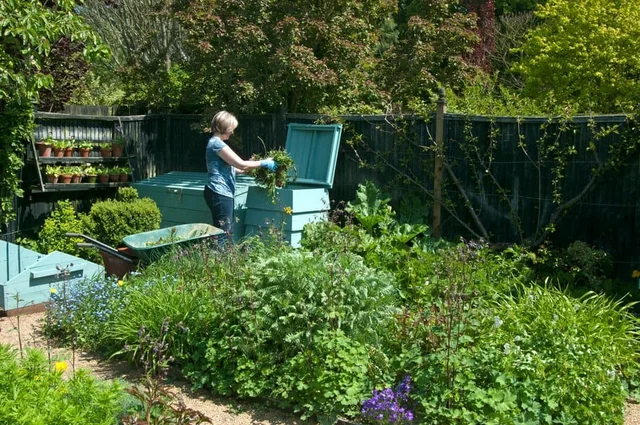
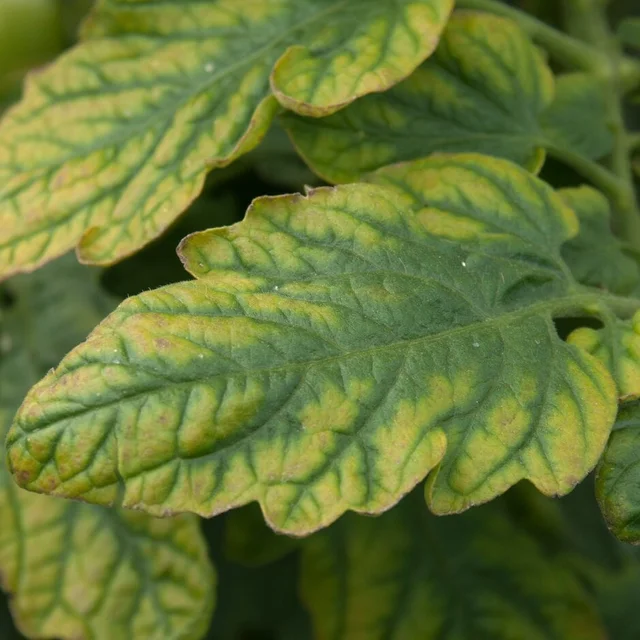
Plants growing in the soil do not need any special feeding unless they are showing signs of nutrient deficiencies. However, they will benefit from an application of homemade compost or any well-rotted organic matter on the surrounding soil – as this breaks down will be released into the soil.
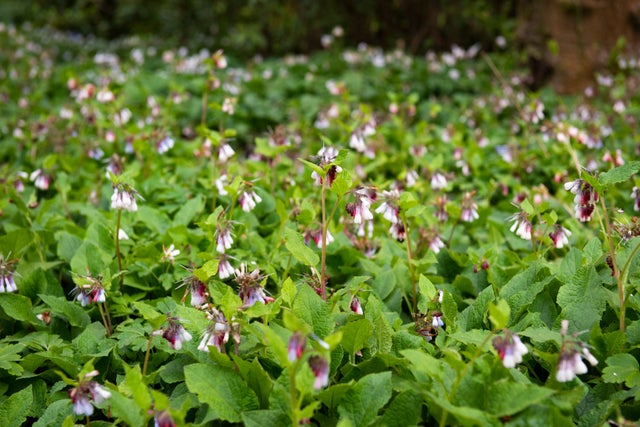
In spring, the top 2-3cm of soil in containers can be replaced with some homemade compost or peat-free John Innes No 3. Containers will benefit from a liquid feed once a month during the (April to September) with an organic (such as seaweed) or homemade feed (such as nettle or comfrey).
Mulching
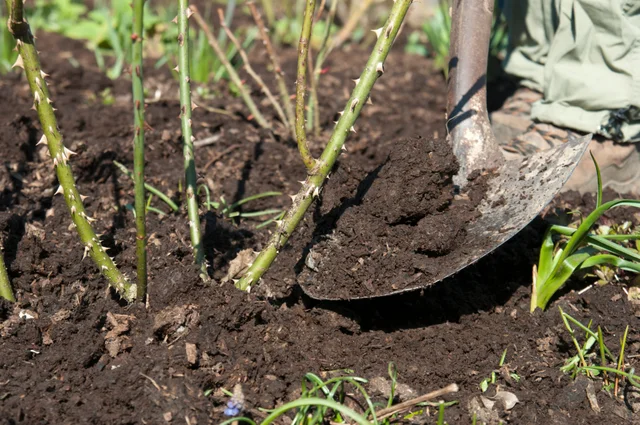
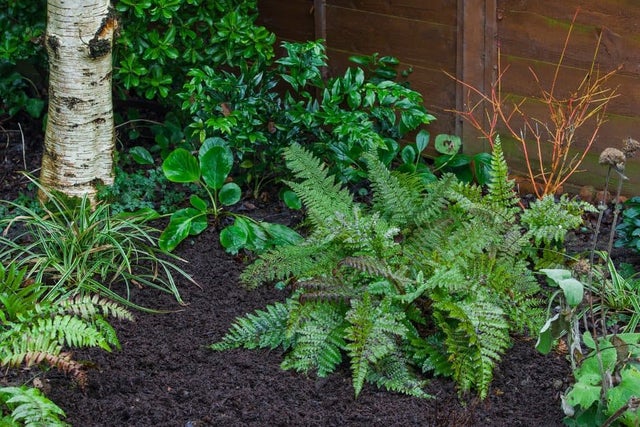
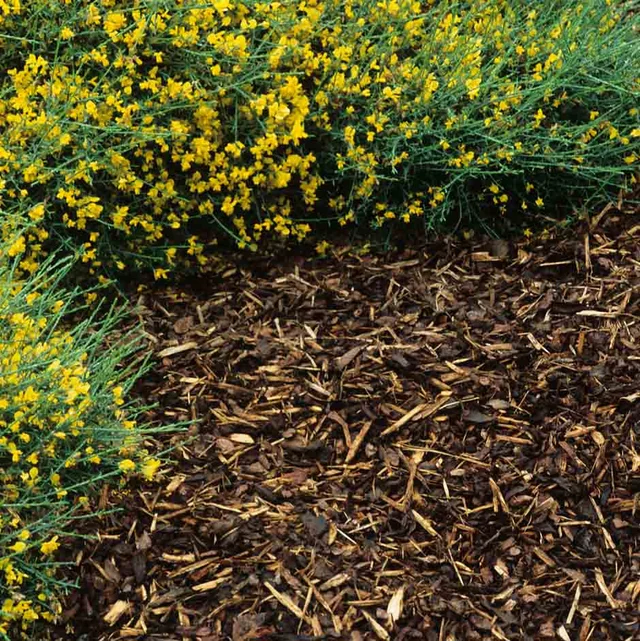
In late winter or early spring when the soil is moist, apply a 5-7cm layer of homemade compost or well-rotted organic matter on the soil around your plant. Leave a -free circle of 10cm around any woody stems; mulch can stay damp and cause rotting if it’s piled up around the base of shrubs and trees.
Repotting
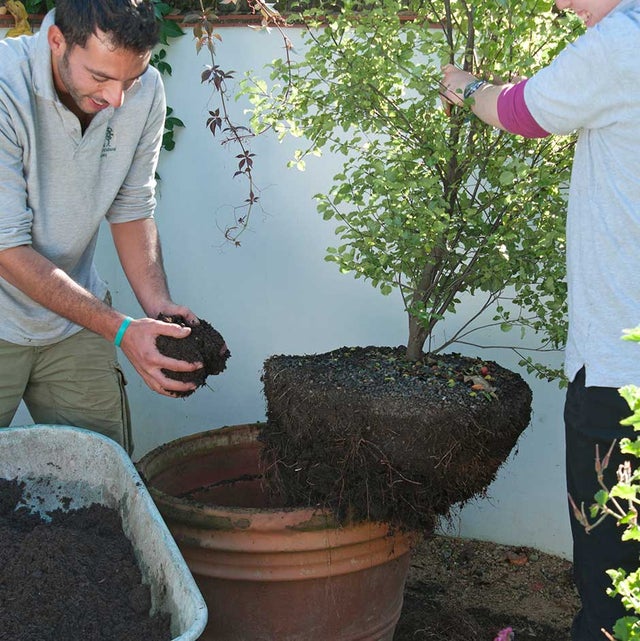
Plants grown in containers will need repotting every three to five years. Spring is the best time to do this as plants will be coming into active growth. Avoid repotting later in the year as the plants may sit in over-wet, excess compost over the winter.
Pruning and Training
Cotoneasters are generally low-maintenance shrubs that develop a good shape with little pruning.
Before pruning any large shrub or hedge check for nesting birds; pruning can be left until after the birds have finished nesting in summer.
If pruning is required, it can be done in spring or after flowering with removal of overlong shoots to restrict growth and maintain shape. Overgrown shrubs respond well to renovation pruning in early spring, but the plant will not flower until the following year after the new growth has ripened.
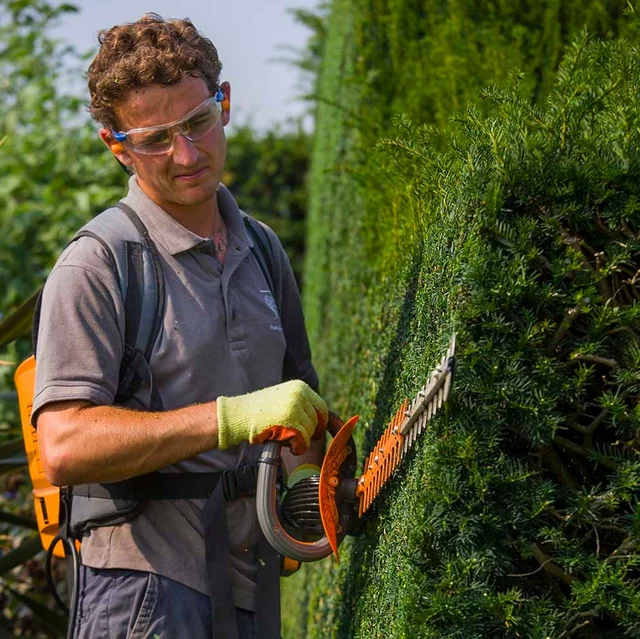
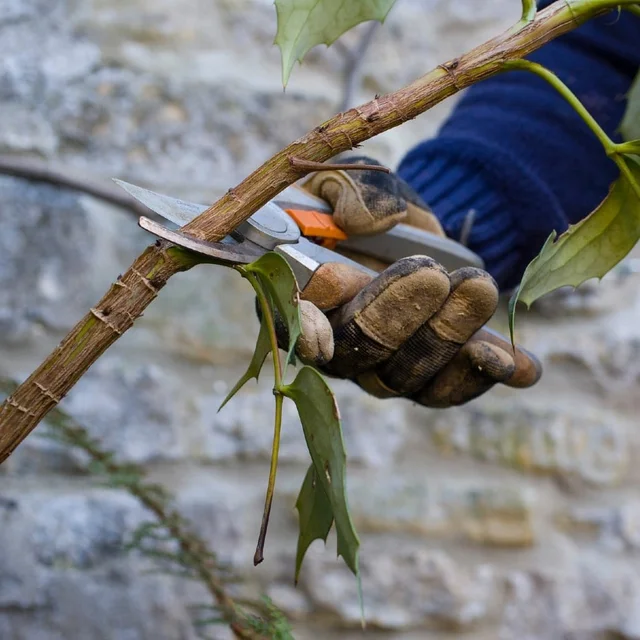
Hedge trimmers are fine for small-leaved plants, but it is best to use secateurs on larger-leaved specimens to prevent unsightly damage to the leaves.
Informal hedges can be maintained by removing long growth after flowering. Formal hedges may need clipping in spring and again in summer to maintain their shape. Avoid hard pruning in late summer as this may remove wood that would have flowered the following year.
Wall-trained shrubs will need wires or trellis for initial training. Tie in shoots where growth is required and remove unwanted stray shoots that are growing outwards or inwards towards the wall. The overall shape can be maintained by clipping over in spring and removing overlong shoots in summer.


Propagating
From cuttings
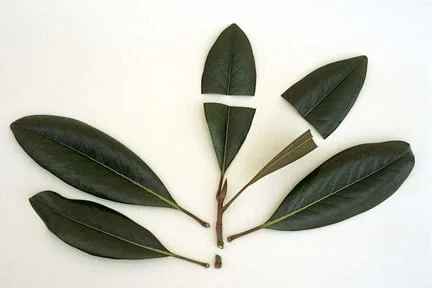
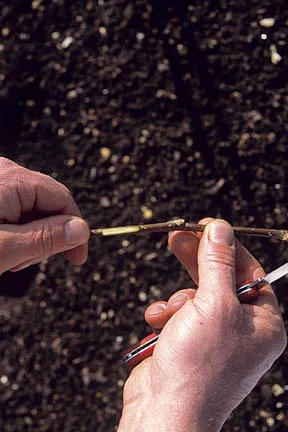
can be taken in mid to late summer.
By seed
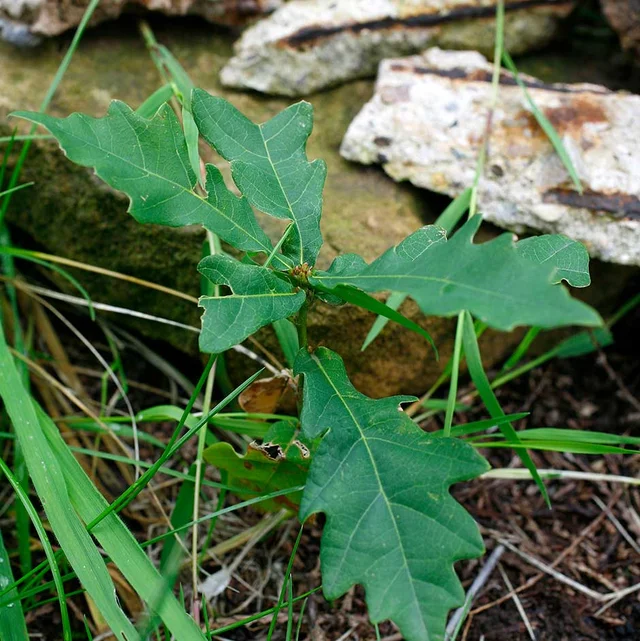
Seeds can be spread easily by birds so any popping up in the garden can be when they reach 15cm high. Cotoneasters hybridize easily so plants grown from seed may not be the same as the parent.
Seeds require warm and cold periods to break so it’s best to sow them outdoors in the autumn in seed trays filled with peat-free and placed in a , or sown in a seed bed in open ground, and let nature take care of stratification. can take time, anything from a few weeks to a few months, so patience is required.
Layering
Low lying branches that can be pegged down in contact with the soil are suitable. Mark where the branch meets the soil, make an incision at a leaf in this area and prise open with a small stick. Bury this wound below the soil, peg down with a or tent peg and keep moist. When roots have formed after a few months, the branch can be cut from the parent plant and transplanted.
Please be aware that some cotoneasters are protected by Plant Breeder’s Rights, and you are not allowed to propagate them for sale.
Problems
Cotoneasters are generally easy to grow and trouble free, but there are a few problems to look out for:
Some cotoneaster species are listed on Schedule 9 of the UK Wildlife & Countryside Act as an invasive non-native species. Although not banned from sale, it is an offence to plant or cause these to grow in the wild in SCOTLAND, ENGLAND AND WALES. Gardeners possessing them should undertake measures to control them. See RHS advice on invasive non-native species for further information.
If you are a member of the RHS, you can use our online Gardening Advice Service, via MyRHS, for any gardening problems or queries.