Quick Facts
Position in bright but indirect light and keep above 16°C (60°F)
1
Raise the humidity to ensure the leaves stay lush and green
2
Plant in free-draining compost that is slightly acidic (ericaceous)
3
Let the compost get almost dry before watering and use rainwater if possible
4
Feed with diluted orchid fertiliser from spring to autumn
5


Before you get started
What are epiphytic ferns?
Many of the tropical ferns sold as houseplants are ‘epiphytic’. This simply means they naturally grow on other plants rather than in the ground (in a similar way to many tropical orchids). In their forests, they take root on tree branches or in crevices in , and get all their moisture and from rainfall, humid air and accumulated debris. Perched well above the forest floor, they get more light, but less access to moisture.
When grown as houseplants, tropical epiphytic ferns are best planted in pots of free-draining . Several species will produce thick furry roots (or ) on the compost surface that will grow down the outside of the container, like they would over a tree branch in the wild.
As these ferns have adapted to limited moisture, they can easily be damaged by overwatering, although they do like high . This can make them a little tricky to grow well, but if you can provide the conditions they need, they’ll reward you with lush ferny fronds that will bring a tropical vibe to your living space.
Choosing epiphytic ferns
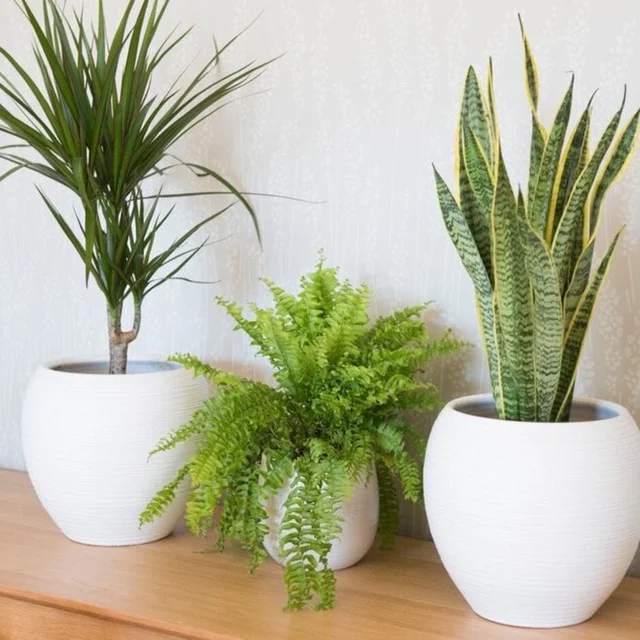
The most widely available epiphytic houseplant ferns – and the most suitable for growing in our homes – are:
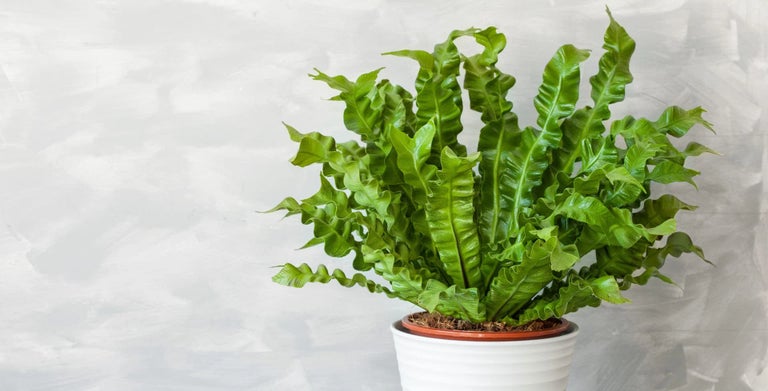
- Asplenium nidus – the bird’s nest fern, one of the most popular and easy to grow, with a clump of long, strap-shaped fronds that unfurl to form a shuttlecock shape
- Davallia canariensis – one of several known as hare’s foot ferns, due to the thick furry roots that emerge from the pot; they also have delicate feathery fronds
- Nephrolepis exaltata– the sword fern, with long feathery fronds; and the ever-popular Boston fern (N. exaltata ‘B´Ç²õ³Ù´Ç²Ô¾±±ð²Ô²õ¾±²õ’) with its fountain of arching, serrated foliage
- Phlebodium aureum– a hare’s foot fern with typically thick furry roots, along with slender-stemmed, glaucous foliage
- Platycerium bifurcatum– the stag’s horn fern is a real show-stopper, due to its impressive, branching, antler-like fronds
All of the above have an RHS Award of Garden Merit, having been trialled by RHS experts and found to be reliably good performers.
Buying epiphytic ferns
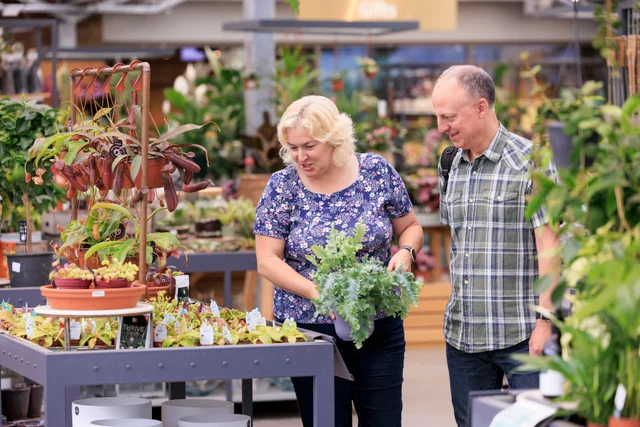
These tropical ferns are readily available from houseplant retailers, especially the ever-popular and . Larger retailers offer the widest choice.
When buying, choose plants with lush, unblemished foliage and healthy roots that aren’t overcrowded in the pot. If there are large furry roots on the compost surface, this is their natural way of growing and nothing to worry about – it just adds to their character!
Planting
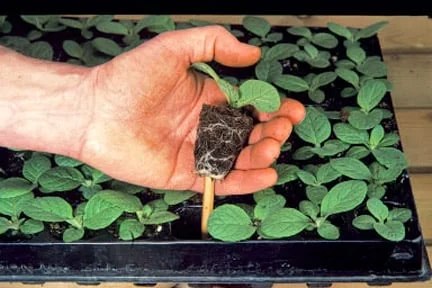
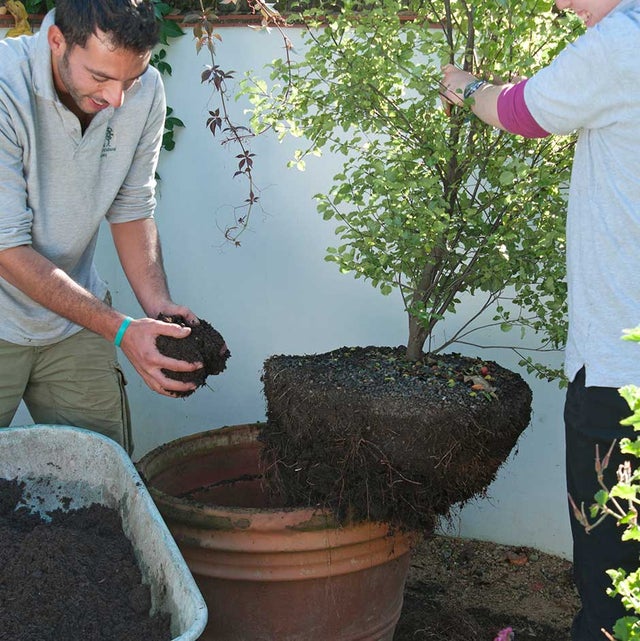
Newly bought ferns can be kept in their pot for several years. Once the roots become densely crowded or start appearing through the drainage holes, repot in spring into a container that’s just slightly larger than the . Avoid using a much larger container (overpotting), as this may lead to root rot.
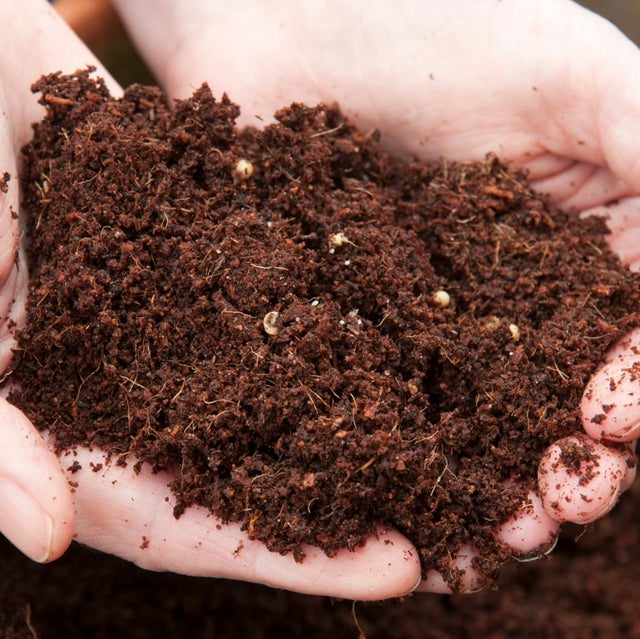
Epiphytic ferns like an open, moisture-retentive but well-drained ericaceous (acidic) . An ideal mix would be two parts peat-free compost, one part and one part medium-sized orchid . Alternatively, many of these ferns will be happy purely in orchid compost.
Some epiphytic ferns produce thick furry roots ( ) on the compost surface (especially hare’s foot ferns such as Davallia canariensis and Phlebodium aureum). This isn’t a sign they need repotting, it’s just their natural growth habit. But when it is time to repot them, take care not to bury these surface roots.
Continue repotting every few years, once the roots fill their container.
See our guides on repotting houseplants:
Young ferns can also be planted in a glass terrarium, or in a kokedama (a traditional Japanese way of planting in a moss ball, which can be hung up) – watch our video guide to find out how:
Ongoing Care
Location
Bright, indirect light is best, such as in a west- or east-facing window. To grow these ferns in a south-facing room, position them behind sheer curtains or away from the window.
A bright bathroom is an ideal location for them, where they can also enjoy the higher .
Temperature
Epiphytic ferns grow well in temperatures between 16°C (60°F) and 30°C (85°F). Keep them out of cold draughts and away from hot radiators.
Humidity
These tropical ferns like humid air, so place the pot in a saucer over a tray of damp gravel, or group several plants together, which will moisten the air around them. Mist the leaves regularly too.
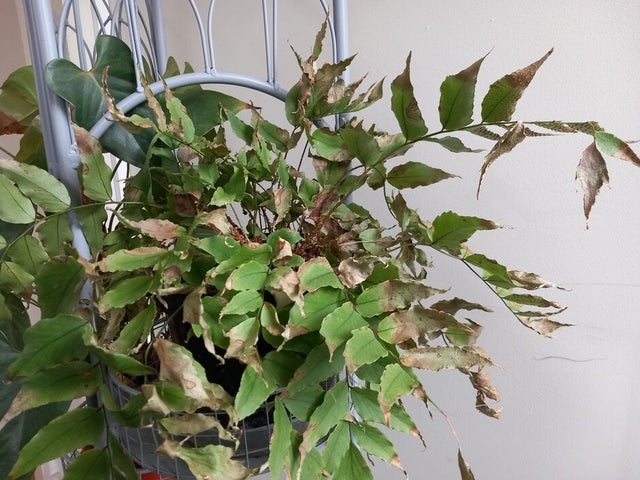
Browning of the leaves may indicate the air is too dry, especially in winter when the heating is on. A steamy bathroom is often the best home for these humidity-lovers.
Many ferns can also be grown in a glass terrarium, where the air is kept humid.
Watering
Only water once the starts to feel dry. Despite their lush, leafy appearance, these tree-dwelling ferns are adapted to having less access to water than most typical ground-dwelling ferns, so avoid the temptation to water them too much – you may inadvertently end up killing them with kindness.
If the leaves turn brown, don’t just assume they need more water – it's often a sign they need less, so always check the compost first. When watered too often or left sitting in water for too long, the roots are likely to rot.
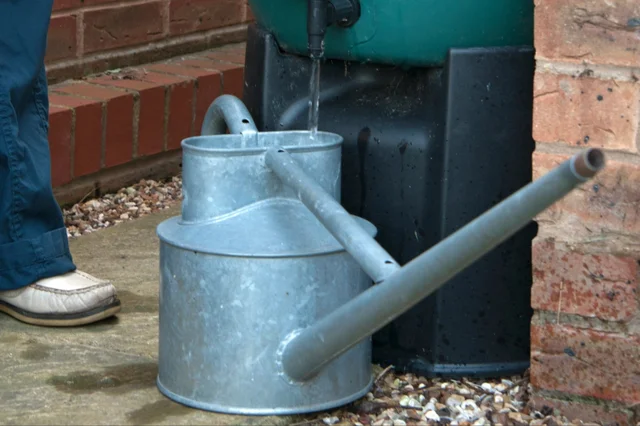
If possible, water with rainwater or filtered water. This helps to maintain the acidity of the compost. Hard (alkaline) tap water, if used too often, can neutralise the acidic ( ) conditions these ferns like. Avoid giving them very cold water – let it sit for a while until it reaches room temperature first.
Feeding
To boost growth, you can feed epiphytic ferns with weak orchid fertiliser from April to October.

Pruning and Training
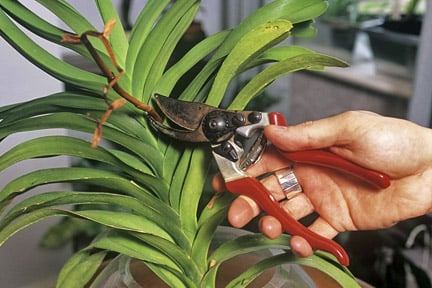
No pruning or training is required, other than removing any dead or browning leaves to keep the plant looking its best.
Propagating
There are several ways to grow new plants, depending on the type of fern:
- Ferns with creeping , such as Davallia and Phlebodium, can be easily propagated by division
- Clump-forming ferns can simply be pulled apart into smaller clumps, each with plenty of leaves and roots. If the is tightly packed, you may need to cut it with secateurs
- Many ferns can also be propagated from spores, but this can be a challenge
Problems
To keep these tropical ferns thriving, it’s important to give them the conditions they need – warmth, , bright indirect light and moderate water. Too much or too little of any of these can cause problems and, if not corrected, the plant may decline and eventually die. So take action if you notice:
- Leaves turning brown – may be a sign of too much water, watering with hard (alkaline) tap water instead of rainwater, sun scorch from too much direct light, low humidity, a cold draught or being too close to a heat source such as a radiator. Also see our video guide to light levels and our video guide to houseplant watering
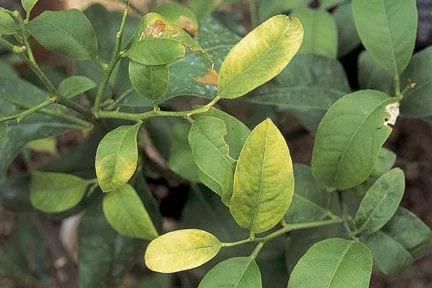
- Mottled leaves or poor growth – may be caused by -sucking insects, including red spider mites and mealybugs