Quick Facts
Auriculas are hardy perennials
1
Flowers in April, in all shades
2
Buy and plant in spring when they are flowering
3
Keep some auriculas shaded from summer sun and rain
4
Sow seed in late January, or remove offsets after flowering
5
Deadhead as flowers fade, unless you want seed
6


Before you get started
What are auriculas?
Auriculas are perennials that include the show and alpine types with their almost artificially perfect flowers. These are hardy in a cold winter throughout the UK - can withstand temperatures down to -15°C (5°F), but do need shelter from rain and summer sun in an alpine house and are best grown in pots. Border auriculas, however, put up with the worst of winter weather.
These three types of auricula - show, alpine and border - are catorgorised by their flower forms. Their growing requirements are different.
1. Show auriculas have a long and fascinating history and are traditionally displayed in auricula theatres. These are open shelves on which the pots are arranged in rows like audience members. The flowers and foliage often have a white eye made of a flour-like ‘farina’, which is washed off by rain unless protected.
Overwinter them in an unheated greenhouse or as they cannot tolerate winter wet. Their curious colourways and striking appearance can make them tantalising to grow, but they do require some dedication.
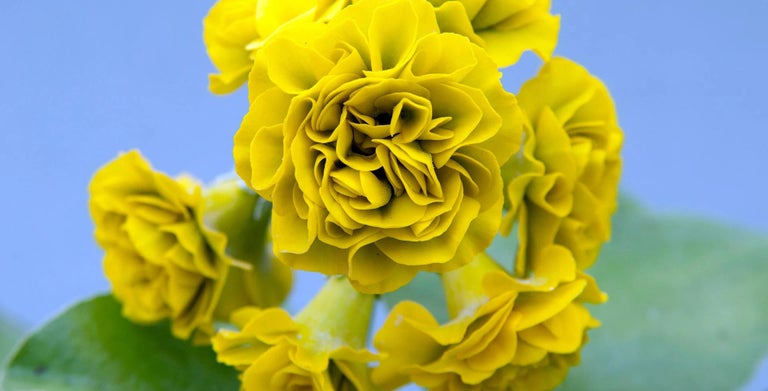
2. Alpine auriculas often have less elaborate markings on the flowers than the show types, and are grown in the same way as border auriculas, so will stand up to weather. They have no white dusting (farina) on the leaves or flowers, and the centre is one colour (such as yellow).
3. Border auriculas are perfectly happy growing outside all year, edging a border or in containers. Colours are often more subtle and the edges between the colours less defined.
All types are available with double flowers.
How and when to buy auriculas
Specialist growers offer the best ranges of auriculas, but border cultivars may be available from local garden centres in spring when they are flowering.
If you are looking to start collecting, specialist societies often have plant sales and exchange programmes for members.
Use our Find A Plant tool for stockists local to you.
You may find it useful to browse the website of the
Planting
Where to plant auriculas
Auriculas in containers
You can grow all auriculas in containers. It is one of the best ways to appreciate their beauty and scent. In the case of show auriculas, this also means you can move them out of the rain as needed.
Pot your auriculas into 9cm (3½in) pots of a mix of equal amounts of peat-free loam-based , peat-free multipurpose compost and grit. Repot into fresh compost each year.
Although they are completely hardy, keep your show auriculas in a or unheated greenhouse to give protection from rain and to provide shade. In summer, an outdoor tent of shade netting is preferable to a greenhouse, since the plants like to be as cool and as well ventilated as possible.
In the open ground
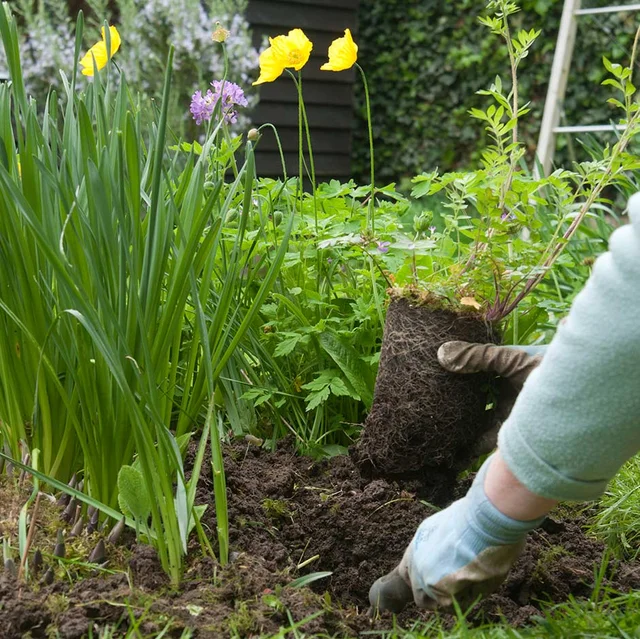
Plant border and alpine auriculas into any well-drained soil in a shaded position where the soil doesn’t dry out in summer.
Ongoing Care
Show auriculas
- Keep your plants just moist over winter in an unheated greenhouse or
- In early spring refresh the top layer of with fresh loam-based compost
- As growth starts, increase the amount of water you give your plants
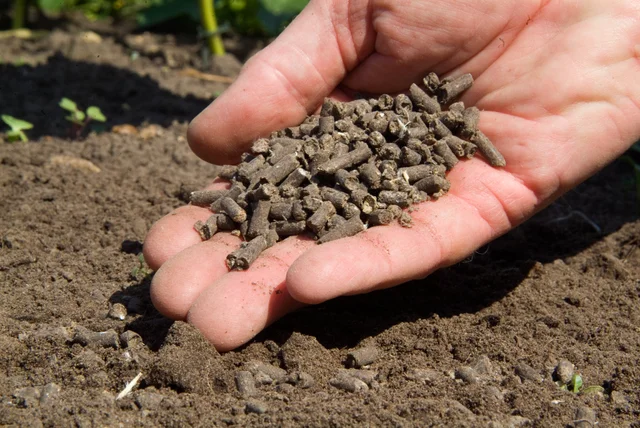
- Feed with half- strength general liquid fertiliser from February every two weeks until after flowering
- Pull away any dead leaves, gently whenever required
- Repot annually, straight after flowering or in autumn, knocking old compost away and cutting away any dead roots. New compost ensures optimum drainage and nutrition (see propagation below)
- Repotting means you can detach offsets (baby plants) and pot them up
- Repot into a container of a size that will comfortably contain the remaining roots.
- Use terracotta or recycled clean plastic pots
In the open ground - border and alpine auriculas
Plant into any well-drained soil in a shaded position where the soil doesn't dry out in summer. It is possible to improve your soil or create a rock garden if your soil is heavier and not so well-drained.
Propagating
The easiest way to increase your stock is to pot up offsets in early summer after flowering (baby plants around the main parent rosette).
You can detach offsets by teasing them away from the parent plant and repotting them individually into small pots that will comfortably contain the roots. Equal parts peat-free loam-based , multipurpose compost and grit is perfect for this.
Border auriculas
Border auriculas need dividing less often than the show types. Every three or so years, lift and use the same technique as described for show auriculas of pulling the away from the parent and replanting individual plants or clumps.
Auriculas from seed
You can raise auriculas from seed, which can be satisfying and may result in some interesting colours. All offspring will be different to the parents.
- Sow seed from November to January
- Scatter the seed thinly onto moist peat-free multi-purpose compost in a
- Keep in the cold greenhouse or
- Once seeds start to germinate cover them with a thin layer of compost
- Water really well, allowing it to flow through drainage holes and then leave until compost starts to dry out again, then re- water in the same way
- Once are large enough to handle which is when they have their first true leaves, transplant them into a seed tray spacing the seedlings 2.5cm (1in) apart
- Once these have grown on, pot on the strongest into individual 9cm (3½in) pots of equal parts peat-free loam-based, peat-free multipurpose and grit
Problems
Happily, there are not too many pests and diseases that affect auriculas.
Aphids and are the main pests, vine weevil grubs cause damage to plants roots, especially in containers. Repotting each year into fresh should help with this problem.
Grey mould (botrytis) may be a problem in a poorly vented greenhouse or alpine house.
If you are a member of the RHS, you can use our online Gardening Advice service for any gardening questions.