Quick Facts
Tough and reliable early-flowering shrub
1
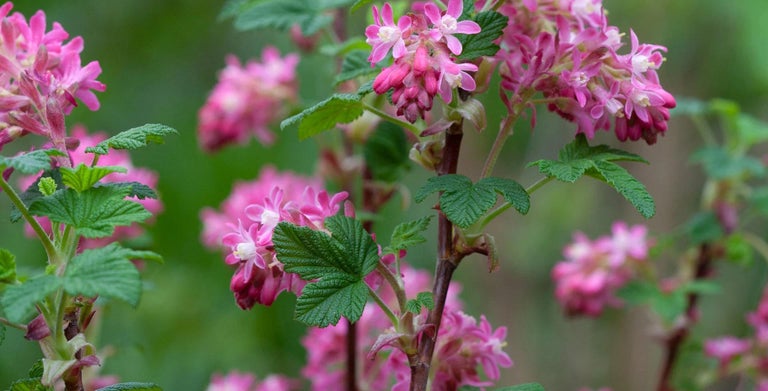
Clusters of tubular or bell like flowers borne in abundance in spring
2
Leaves are often lobed and have a distinct blackcurrant smell when rubbed
3
Grown in a row they can make a spectacular spring flowering hedge
4
Flowers available in pink, red, white and yellow depending on species or cultivar
5
Blackcurrants, redcurrants, whitecurrants and gooseberries are all members of the Ribes genus grown for their edible berries
6
Prune immediately after flowering
7

Before you get started
Ribes are hardy shrubs that prefer a sunny or very lightly shaded position.
Think about the space available as most Ribes will grow to around 2m (6ft) in height. For a smaller try R. sanguineum 'Brocklebankii' which will only grow to about 1.2m (4ft) and has yellow foliage.
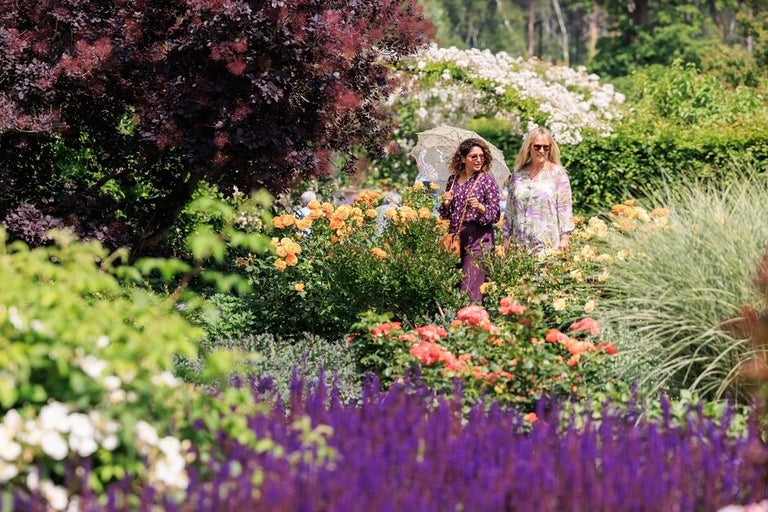
Consider planting later flowering shrubs such as hydrangea or roses with the Ribes, in a mixed shrub border, so you have continued colour after it has finished flowering. You could also consider using evergreen shrubs in a mixed border with Ribes as this will help provide some winter interest.
Container grown cultivars are widely available from nurseries and garden centres all year round.
Planting
Ribes are easy to grow and will tolerate most soils that are not in winter. Make sure they are in a sunny or lightly shaded position.
When To Plant
- It is best to plant Ribes in September/October or April/May. If you buy a container-grown plant in the summer, plant it as soon as possible and water it regularly, to keep the soil moist but not waterlogged
- On a very free-draining or dry soil, after planting with organic matter such as rotted manure, garden or leaf mould to help hold moisture in the soil
- Water thoroughly after planting
Where To Plant
- Ribes like a sunny position, but will tolerate light shade. If you plant in the shade it will produce less flowers than in a sunny spot
- Ribes are very hardy, and grow in most garden soils
- Allow enough space for your plant to grow into – flowering currants range in size from 1m (3ft) to 2.5m (8ft), depending on the species, so check the label before you buy the plant
How To Plant
- After planting, lightly tread or use your hands to firm the ground around the plant to remove any air pockets - this will ensure the soil level doesn't drop and expose the roots
- Water thoroughly, ensuring the top 15cm (6in) of soil is moist. Dig down nearby with a trowel if you are unsure how moist the soil is
Ongoing Care
Easy maintenance
Once established they are fairly drought tolerant and should not need watering.
However, during very dry periods they may need additional water even when established. Signs of water stress are shrivelled leaves with brown edges and leaves falling off the plant.
Ribesdo not need regular feeding, but to encourage vigorous growth after pruning, plants can be fed in March/April, with a general purpose fertiliser such as Growmore or fish, blood and bone, or with organic matter.
Pruning and Training
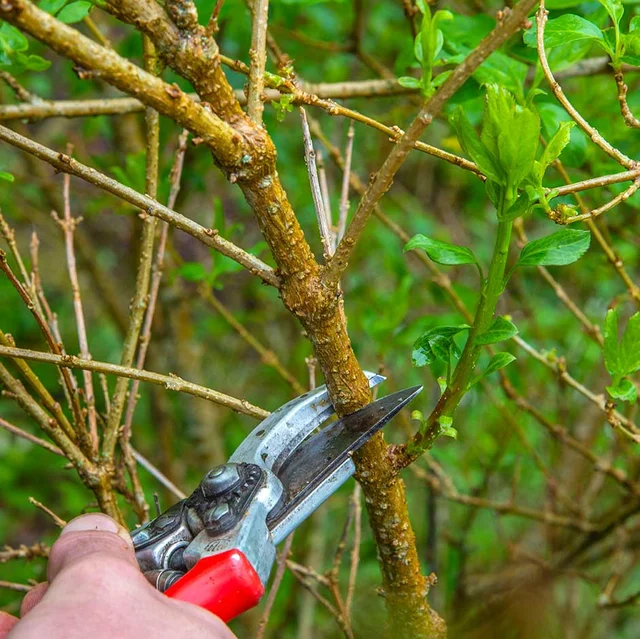
- Pruning is not essential, but it does help keep the plant to the shape and size you want
- Ribes flower on previous season's growth, so pruning after flowering has finished encourages strong young stems which will increase the amount of flower the following year
- Prune the stems that have flowered back to strong young growth
- On , or neglected plants, remove about a fifth of the older stems back to the base of the plant each year
Propagating
Problems
Ribes are generally free from pests and diseases, although they can be affected by honey fungus.