RHS / Tim Sandall

Appearance
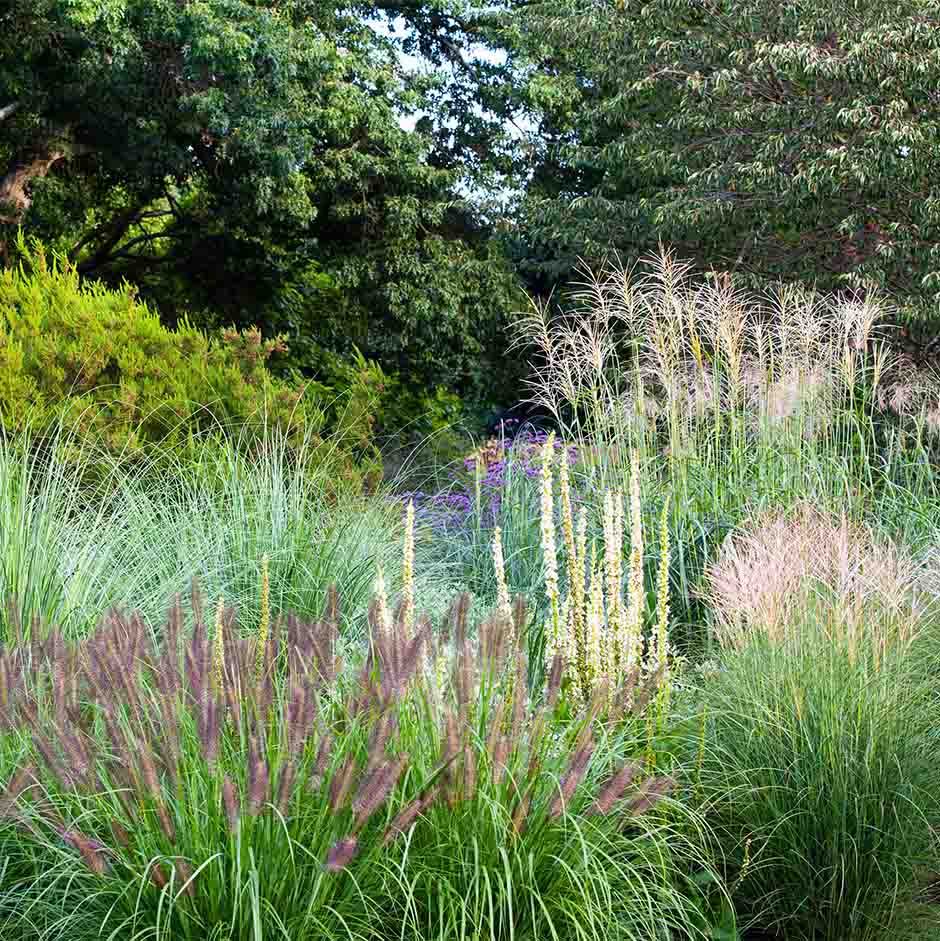
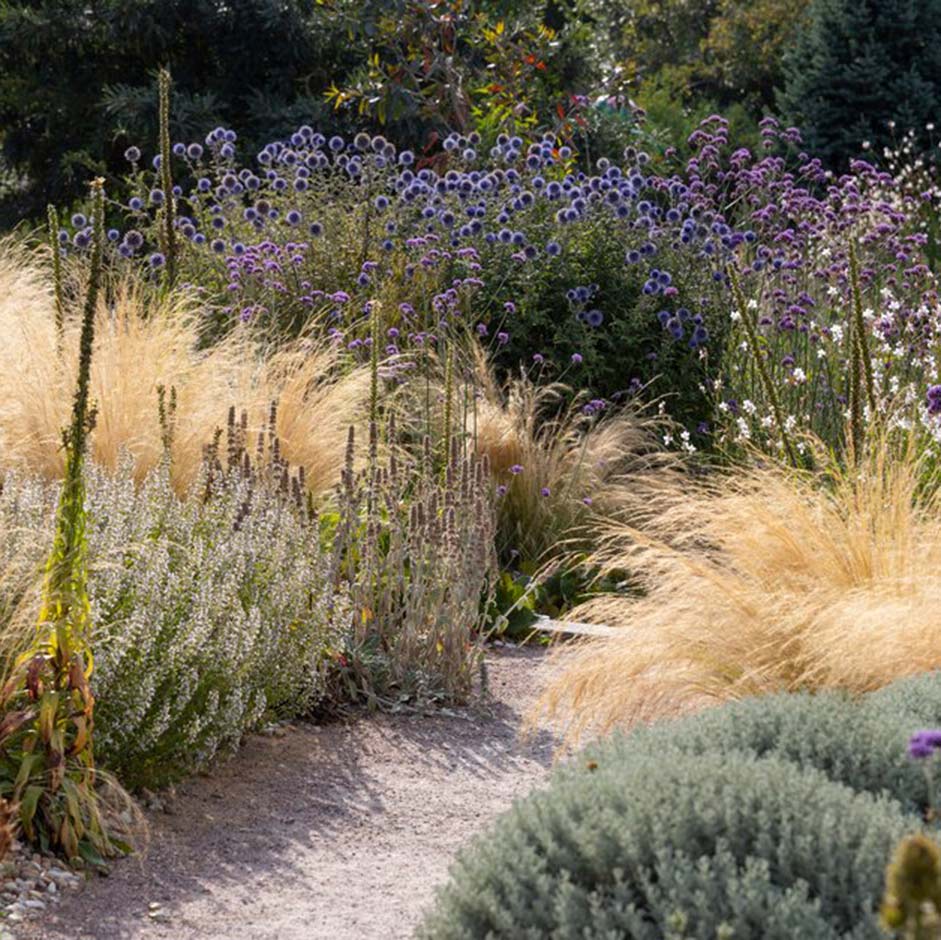
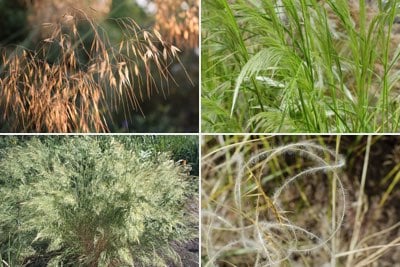
Clumps of upright or arching, narrow leaves are topped with feathery, buff or silvery flowerheads in summer. The seedheads that follow continue the display through autumn and into winter. The leaves often turn dry and yellow in autumn. They bring valuable movement to borders, swaying and rustling in the breeze.
Preferences
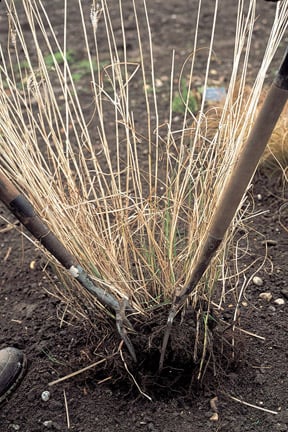
These grasses grow well in full sun and average to light soils that drain easily. Many are drought tolerant. Large clumps can be divided every few years to keep them vigorous and make more plants for free.
Dislikes
They don’t like heavy or excessively fertile soils, and won’t grow or flower well in shade. In very windy or exposed sites, tall flowerheads may get damaged.
Did you know?
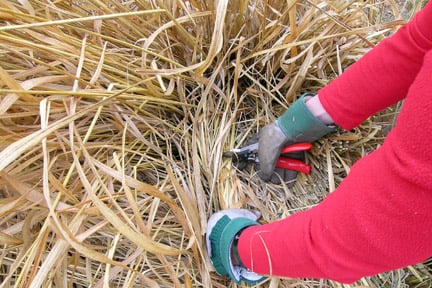
Stipas need very little maintenance. With deciduous types, which die back over winter, simply cut them to the base in early spring, before new shoots start to sprout. With evergreen stipas, you can pull out any dead leaves in early spring, to keep them looking good.
RHS Growing Guide
FREE
Read our comprehensive free RHS Growing Guide:
How to grow ornamental grasses

Introducing Stipa


x of x
Showing
x to x
of x