Quick Facts
Most houseplants are easy care and tolerant of many conditions
Choose for sun or shade or areas inbetween
Ideal for gardeners with homes lacking in outdoor space
A wide choice for rooms with high humidity such as bathrooms
There are many large-leaved architectural forms for a modern look
Many are addictive and very collectable

Before you get started
The fun part is definitely going out and purchasing your plant. But to ensure you get the most from your purchase, it is worth bearing in mind the following tips.
Check to see if you can provide the growing requirements of plants that interest you
- Read the plant label, or use your phone to research the growing needs of the plant, to see if it will be happy in the conditions you can provide before buying
- Where it's not possible to provide for its needs, it is much better to select another plant you like that will grow well in your home, rather than risk disappointment
Look for strong robust plants
- Plants should be balanced in shape and have no dieback
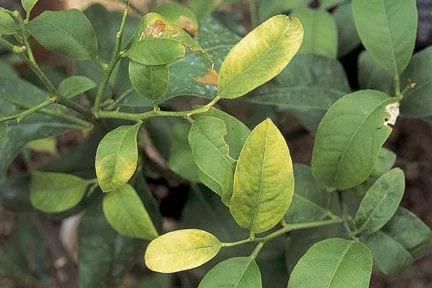
- Leaves should be healthy and have no discolouration
- should be clean, weed and algae free
- Avoid plants with browning foliage or leaf spots
- Buy from reputable garden centre where they would generally have been stored and cared for correctly
- Avoid buying wilting plants whose soil has become too dry
- Especially avoid buying those wilting while in moist, or wet compost, as this can indicate root damage from overwatering, or root disease
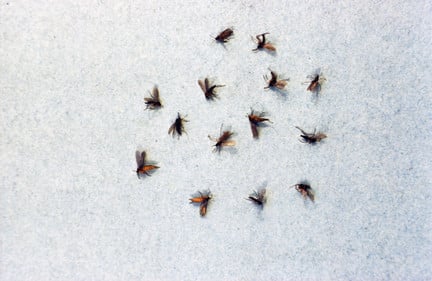
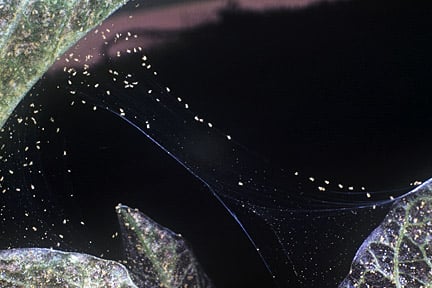
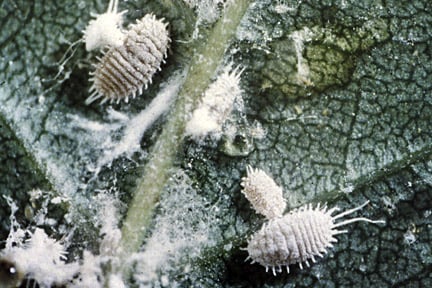
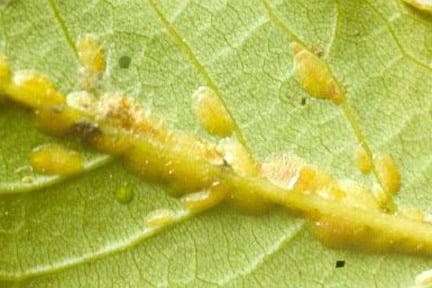
Check for the presence of pests, in particular:
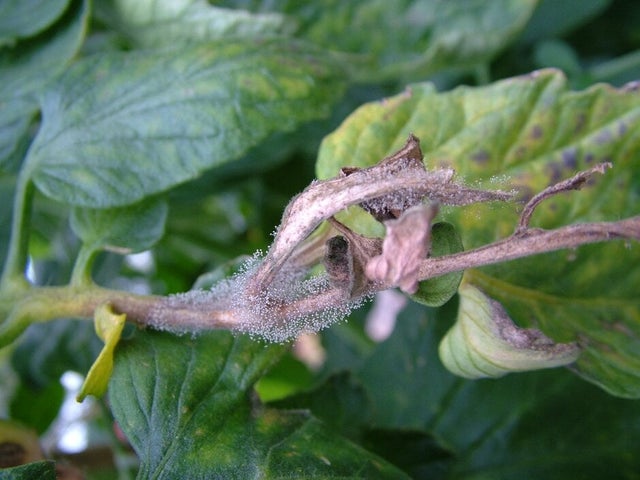
Avoid plants with common fungal diseases:
Getting the most out of flowering plants
- A plant with plenty of unopened buds, will be in flower for longer
- Place the plant away from a bowl of fruit. Ripe fruit produces gas that can shorten the life of the flowers
- Placing plants in cooler, not cold temperatures (15C (60F) when in flower, can help the flowers last longer
- Flowers are often aborted if the compost becomes too dry
- Remove flowers as they fade, to prolong new flower production
Transporting the plant home
- Cover the plant for the journey home, to protect against exposure to cold, especially in winter
Planting
Where to place your houseplant
When positioning your plants in the house, remember they are living organisms and should be placed where they will have the best growing conditions for their particular needs
Try to avoid placing your plant purely for decorative purposes, as this can lead to the plant failing to thrive. The important things you'll need to consider are what light levels, temperature, water and your plant needs to grow well.
What light does my houseplant need?
- Research your plant to see how much light is optimal for good growth
- In winter, houseplants will benefit from full sunlight when daylight is weak
- In summer strong sunlight can scorch susceptible plants through glass
- Bright shade i.e. bright light which does not cast a sharply defined shadow, is generally OK in summer
- Flowering houseplants often need more light than foliage plants
How do I improve humidity for my houseplant?
- Place the plant on a saucer over a tray of moist gravel or hydroleca
- Group plants together to benefit from local humidity created by the combined moisture given off by their leaves
- Spraying can be helpful if done frequently
What is best temperature for my houseplant?
- Some plants deal with heat and cold better than others. Research their minimum temperature tolerance before positioning
- Excessive heat can cause those plants preferring cooler conditions to dehydrate and wilt
- Temperatures that are too low can cause plants liking a warmer spot to collapse and rot
- Don’t leave plants behind drawn curtains in winter as the space there can become very cold
- Close proximity to radiators can cause leaves to dehydrate and become brown around the margins
- Too much warmth along with low daylight levels in winter can force the plant to make weak unhealthy growth
Draughts
- Place away from cold draughts which can shock a plant and cause it to collapse
Potting media
- Check if the plant prefers acid or conditions
- Acid-loving plants (e.g. azalea) need peat-free or foliage will become yellow (chlorosis)
- Top-heavy plants are best potted into a peat-free, loam-based compost which is heavier and provides more stability
- Plants requiring extra drainage will benefit from the addition of grit or to the potting compost
Choosing the pot size
- Choose a pot size 5–10cm (2–4in) larger in diameter than the current pot, or enough space for growth for two to three years
When to repot
- Compost degrades in time and compacts, reducing the volume of air reaching the roots which can promote disease
- Pot on every two to three years
- Plants are best potted on in spring, to establish during the subsequent
- Algae appearing on the surface of the compost, can indicate the compost has become sour and that the plant requires repotting
Ongoing Care
When to water
- Water when the surface of the becomes dry
- Drier pots feel lighter than wet ones
- Don’t water routinely, check that the pot needs water first
- Pots dry out faster in winter when the atmospheric is lowered by central heating
- Plants in a cool room will need watering less often than plants in a warm room
How to water
- Bring water to room temperature before use, particularly in winter. Cold water can kill
- Chlorine in tap water can be toxic to plants so allow the water to stand in an open container for a minimum of 24 hours for the chlorine to dissipate
- Water the pot thoroughly so that water escapes from the drainage hole
Importance of drainage
- Containers should always have a drainage hole to allow the water to escape
- Plants’ roots need air to breathe
- If your plants are allowed to sit in water for long periods, the airspaces in the soil can be replaced with water and cause the roots to drown
- Once your plants have been watered, allow them to drain thoroughly and then empty any water-filled saucers
Does water quality matter?
- Hard tap water is alkaline which (acid loving) plants don’t like
- Ericaceous plants are best watered with rainwater
- It often contains fluoride which can be toxic to plants, the effects accumulating over time
- Chlorine in tapwater is also toxic to some plants
- Tap water should be allowed to stand in an open bowl for 24 hours to allow the chlorine to dissipate
- Domestic water softeners contain salts that are highly toxic to plants and so should never be used to water them
Holiday care
- In winter, houseplants can be left for a week or two without water as long as the room temperature is cool, but does not fall below the minimum tolerated
- In summer, with higher temperatures plants are more active and dry out faster.
- Water loss can be controlled by;Grouping the plants together and covering with a polythene sheetPlacing the plants onto a tray containing wet capillary matting for the plants to absorb water fromInsert one end of a wick made from a strip of capillary matting into the base of a container and the other end into a large container of water. Your plant will draw on the water as it needs it
When to feed
- Plants are best fed during the March to October
- Feeding during the winter should be limited to once a month as the light levels are too low for your plant to use the fertilser to make good growth
How to feed your houseplants
- A liquid fertiliser can be applied once or twice a month, or a quarter strength can be applied at every watering during the growing season
- Alternatively, you can apply a granular fertiliser to the soil surface one or twice a season
- Don’t apply fertiliser to dry soil as this can burn the roots of your plant
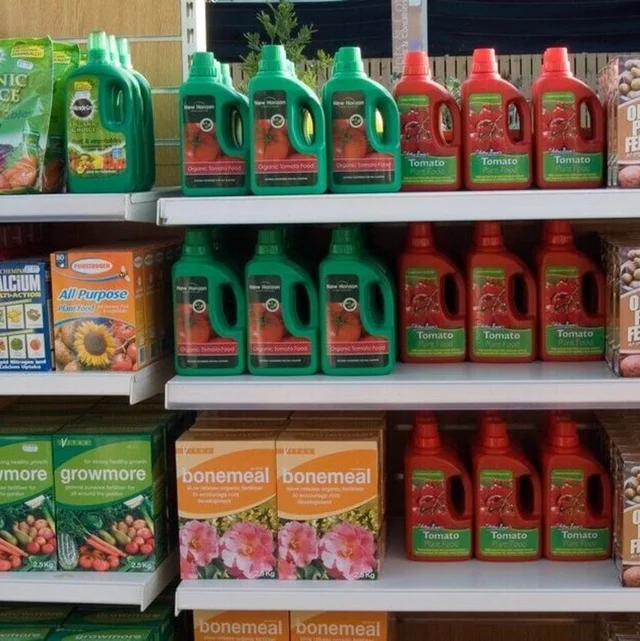
What to use
- Ericaceous plants need an acidic plant fertiliser
- Organic fertilisers can be a little too smelly to use indoors
- Slow release granules save labour, releasing a small amount of feed at each watering
- High nitrogen fertiliser (N) are suitable for foliage plants
- Flowering plants should have fertiliser higher in phosphorous (P) and potassium (K)
Propagating
Learn how to propagate houseplants by taking , with tips on preparing, and nurturing cuttings, plus the best plants for easy propagation.
Find out how
Problems
When your plants aren’t given the conditions they need to grow properly, they can become weakened and stressed.
Some non-disease problems to avoid
- Brown leaf edges – possible under-watering
- Plant collapse, or yellowing leaves which drop – possible overwatering
- Soils that have become overly dry – may cause wilting foliage drop and dieback and check the plant’s growth
- Plants which are unstable in their containers – weak root system
- Yellowing leaves with green veins – nutrient deficiency, chlorosis
- Plant drying out very quickly, and making little growth – possibly pot bound, repot into larger container
Common Pests
Glasshouse red spider mite - look for fine webbing and straw coloured speckling on the foliage
Mealy bugs – look for white, cotton wool-like blobs on the foliage and stems
Scale insects – look for light brown limpet-like insects on stems and underside of foliage
Sciarid flies (fungus gnats) – look for minute black flies
Common diseases
Grey mould (Botrytis cinerea)
- improve to reduce remove any dead plant material
Fungal leaf spots
- improve ventilation
- spraying with broad spectrum fungicide may have incidental control
- avoid wet foliage persisting on plants after dark in cool/cold temperatures
If your houseplant has a problem as you're not sure what is wrong, see our handy step-by-step guide on how to help a poorly houseplant.