Quick Facts
Easy to grow in a warm, sunny spot in well-drained soil
1
Flower non-stop from early summer to the first frosts
2
Ideal for borders, containers and hanging baskets
3
Popular with bees and butterflies
4
Most are short-lived and may not survive UK winters
5
Grow new plants from seeds or cuttings
6

Before you get started
What are verbenas?
This popular group of plants has been split into two – Verbena and Glandularia – but as they both look similar and are widely known as verbenas, this guide covers both under the common name verbena.
Verbenas are classic bedding and border plants, popular for their colourful and abundant flowers, produced all summer long. The flowers are also a magnet for pollinating insects, including bees, butterflies and hoverflies.
They thrive in full sun, in well-drained soil that doesn’t stay soggy. Many are tender or not reliably hardy, so they need in a warm, sheltered spot and may not survive frost.
Choosing the right verbena
Verbenas come in two main forms:
- bedding verbenas, which are treated as short-term plants for summer displays
- hardierperennial verbenas, such as Verbena bonariensis, which live for several years and are popular border plants
They all need a warm, sunny spot and free-draining soil.
To browse a selection of verbenas available in nurseries, with photos and growing information, go to RHS Find a Plant. You can filter your search by flower colour, hardiness, height and more, to find cultivars ideal for your garden.
Verbenas for summer bedding
Bedding verbenas flower abundantly in a vibrant choice of rich purples, violets, mauves, ruby reds, pinks, peach and white. They are ideal for the front of borders, containers and hanging baskets, providing non-stop colour for many months.
They tend to be compact, at about 30cm (1ft) tall, and there are also trailing types for hanging baskets and for cascading over the sides of tall patio pots and windowboxes.
Most aren’t hardy, so will be killed by the first frosts of autumn.
Perennial verbenas for borders
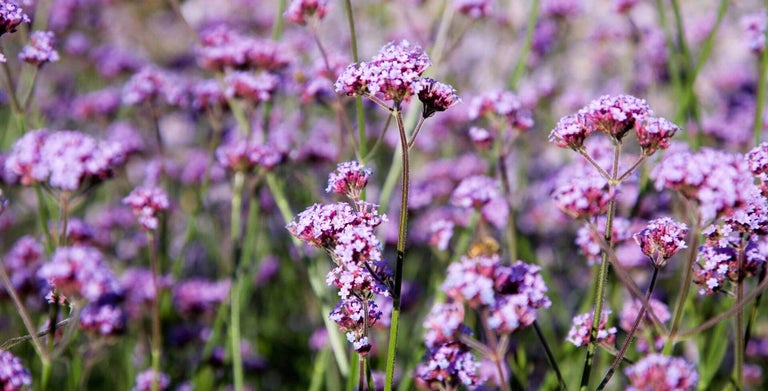
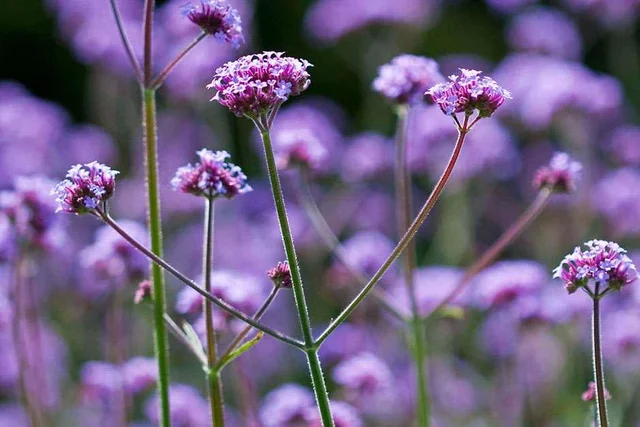
The hardier perennial verbenas have clusters or spires of small, usually mauve or purple flowers and come in all sizes. Tall Verbena bonariensisoffers height but also a ‘see-through’ quality that keeps your planting light and airy. Verbena rigida, on the other hand, provides low, dense, drought-tolerant ground cover for the front of borders.
These verbenas suit a warm, sheltered spot in full sun where you want long-lasting summer colour. They are ideal for wildlife-friendly gardens, attracting butterflies and bees, and work well in a wide range of settings, including mixed borders, gravel gardens and prairie-style plantings among ornamental grasses.
Some of these verbenas won’t reliably survive freezing winter temperatures, although Verbena bonariensis, V. hastataand V. officinalis var. grandiflora ‘B²¹³¾±è³Ù´Ç²Ô’ are hardy in most parts of the UK and should live for several years.
How to buy verbenas
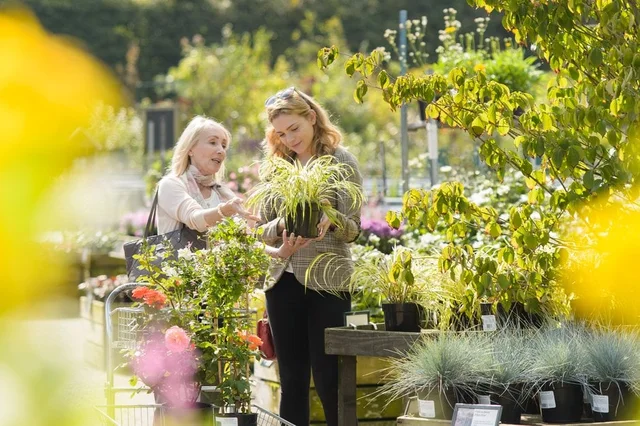
Bedding verbenas are widely available in small pots in spring and early summer, in the patio/ section of most garden centres. If you buy them after the last frost, usually in May, you can plant them directly outdoors into larger containers and borders.
You can also buy them as smaller ‘ ’ from garden centres and by mail order in spring. These are generally cheaper, but must be carefully looked after indoors until they are larger, so you’ll need space on a bright windowsill or in a frost-free greenhouse. See our guide to mail-order plants for how to look after plug plants. Only plant them outside once there are no more frosts.
The more hardy perennial border verbenas, such as Verbena bonariensisand V. hastata, are usually sold in 2-3 litre pots, from spring to autumn. You will find them in the perennials section of garden centres and from online plant suppliers.
A few verbenas are available as seed – mainly V. bonariensis and a limited selection of bedding verbenas. Sow them indoors in spring (see Propagating, below), then plant out after the last frost.
Planting
When to plant verbenas
Bedding verbenas
These won’t survive freezing temperatures, so you need to wait until after the last frost to plant outside, usually from mid-May onwards depending on your local climate. If you buy them earlier than that, keep them indoors until the weather is warm enough. Take care to harden them off thoroughly, to acclimatise them to outdoor conditions.
When planting bedding verbenas in hanging baskets, you can get them off to an early start if you have a frost-free greenhouse. Here you can plant the in March/April directly into the baskets so they settle in and grow large enough to start flowering as soon as the baskets are hung outside in May/June. See our guide to hanging baskets for more details.
Hardier perennial verbenas
Verbenas bought from the outside perennials section of garden centres are best planted in spring, when the soil is moist and starting to warm up. They should settle in quickly and flower from early summer.
If you buy them in flower in summer or autumn, plant them straight away, but do be careful to keep them well watered, especially in hot weather, to help them settle in.
Where to plant verbenas
- All verbenas like full sun and well-drained soil
- They are happy in borders and containers
- If your soil stays very damp, grow them in containers or raised beds instead
- Avoid planting in particularly cold or frost-prone sites, or in shade
- Taller types, such as Verbena bonariensis, are best in a sheltered spot, as strong winds can snap the stems
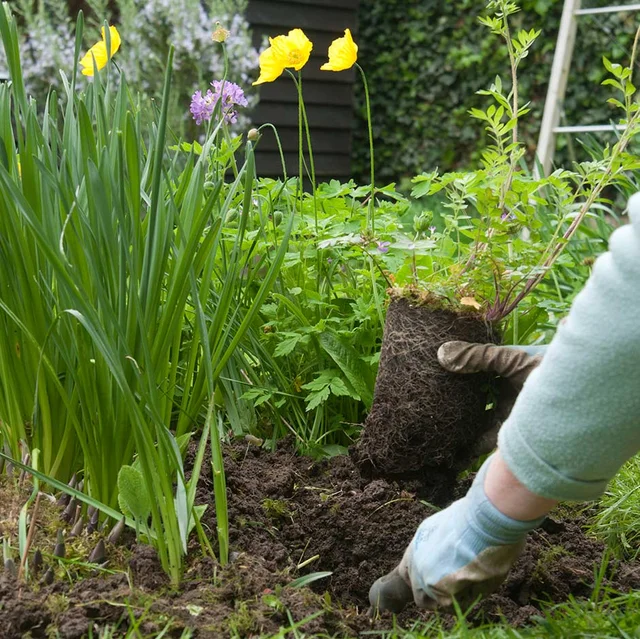
How to plant verbenas
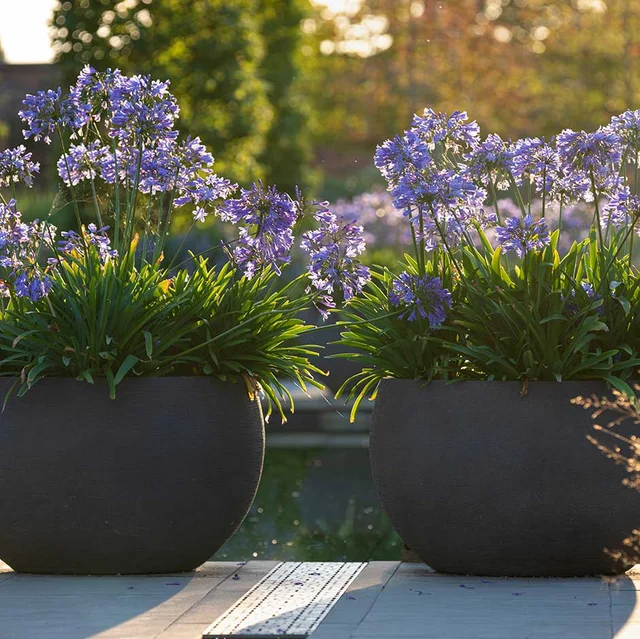
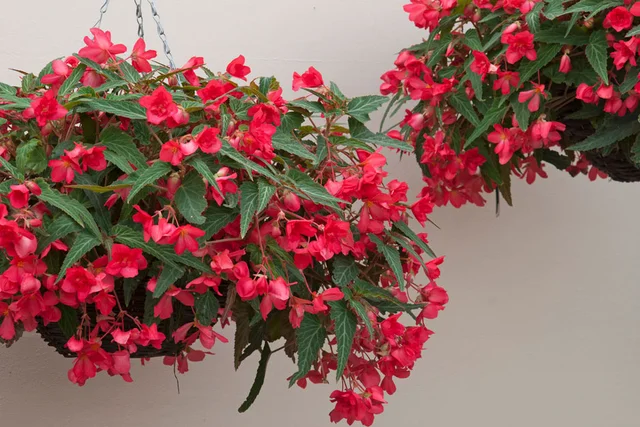
Verbenas are easy to plant in the ground and in containers. Bedding verbenas work particularly well in patio pots, hanging baskets and windowboxes.
See our guides below for step-by-step planting instructions.
Ongoing Care
Watering
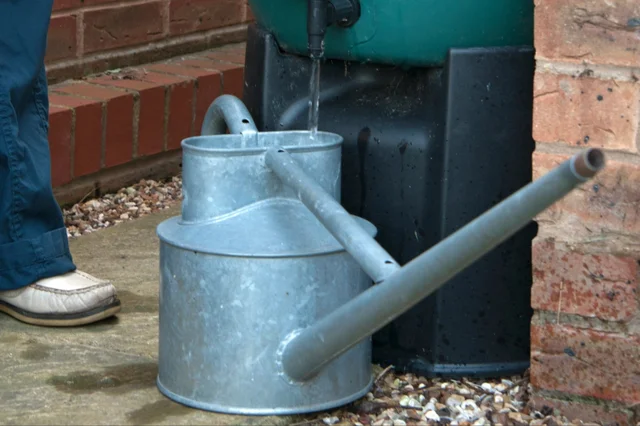
Verbenas growing in pots, hanging baskets and windowboxes need regular watering, as the limited amount of dries out quickly. In hot weather, you may need to water daily.
To work out if it’s time to water, check whether the compost is dry at a depth of 2.5cm (1in). If so, water sufficiently to wet the majority of compost but stop before it flows out of the drainage holes.
Try not to wet the flowers or leaves, as this can encourage fungal diseases.
To make watering easier, especially with hard-to-reach hanging baskets, you may prefer to install an automatic irrigation system – see our watering guide for details.
Verbenas in borders, once settled in, should only need watering during long dry spells. Many of the types will tolerate some drought.
Mulching
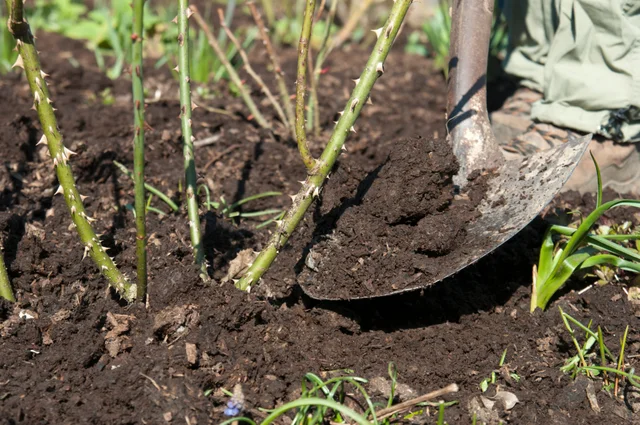
After planting verbenas in borders, apply mulch to the surrounding soil to discourage weed and help to hold in moisture.
Use well-rotted organic matter, such as garden compost, in a layer about 10cm (4in) thick, but leave a gap around the base of the plants to avoid rotting.
Also see Overwintering, below.
Feeding
Verbenas in borders don’t need feeding, but plants in containers and hanging baskets benefit from regular fertiliser to keep them flowering abundantly all summer.
Potting compost generally contains enough fertiliser for the first month, but after that it is best to apply a potassium-rich liquid feed, such as tomato fertiliser, to encourage flowering. Follow the dosage instructions on the pack.
Overwintering
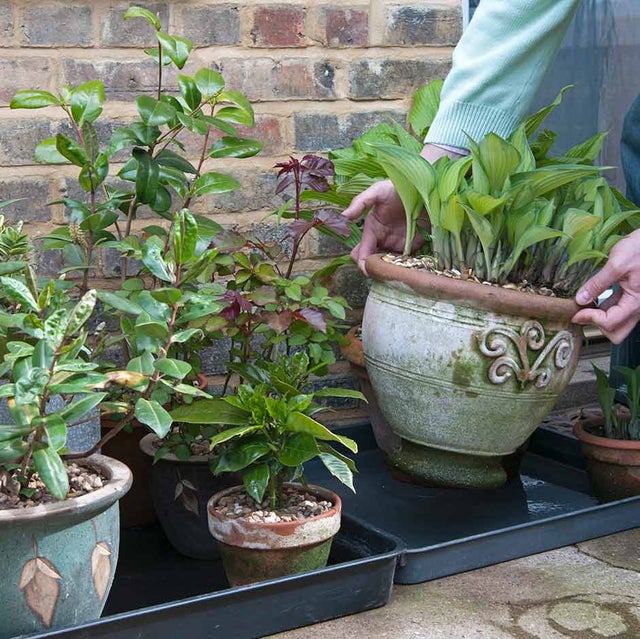
Bedding verbenas are generally considered temporary summer plants and discarded in autumn. However, you can take in late summer, to grow into new plants for the following year, as long as you have space to keep them frost-free over winter (see Propagating, below).
Hardier perennial border verbenas, on the other hand, should live for several years, although many won’t survive a very cold, wet winter. To help them through winter:
- Protect them with a dry mulch – straw or similar – spread thickly over the root zone in autumn. Also see our guides below to protecting plants over winter
- If grown in a container, move it into a greenhouse or other sheltered spot, such as a porch, over winter
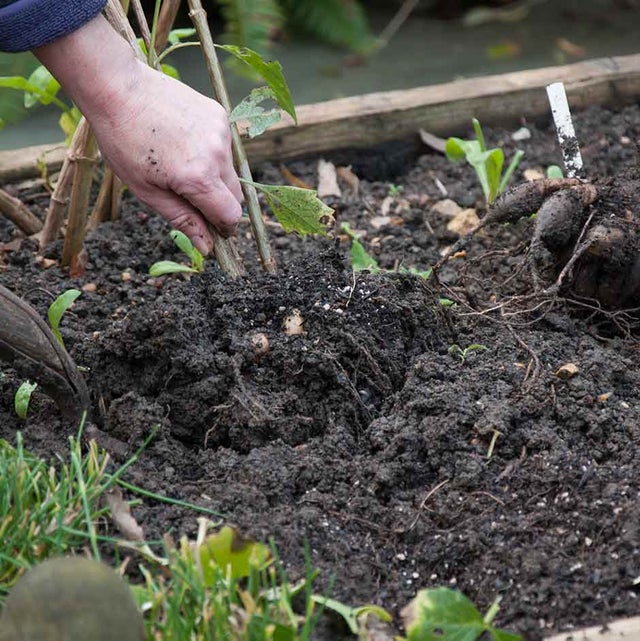
Fortunately, many perennial verbenas, especially V. bonariensisand V. rigida, self-seed readily, so even if they don’t make it through the winter, you may find popping up in spring.
Pruning and Training
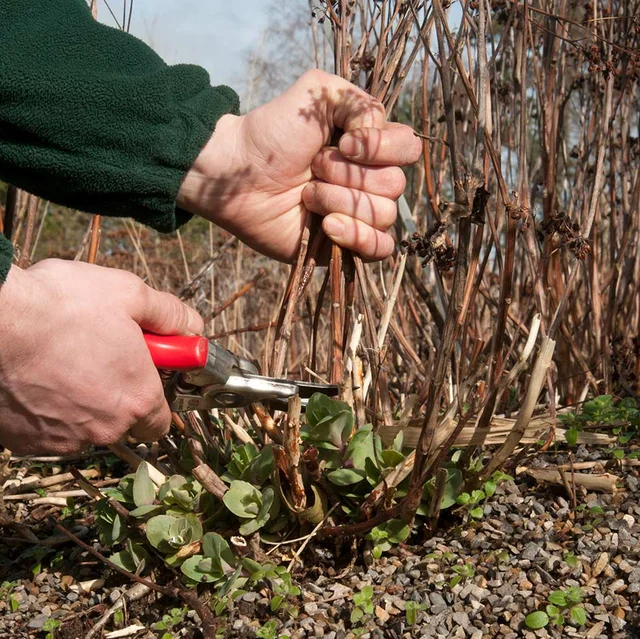
The old flower stems of perennial verbenas, such as Verbena bonariensisand V. hastata, should be cut down before new growth starts in spring, to encourage multiple stems to sprout from the base. This should lead to bushier plants with more flowers.
If you can, resist the temptation to cut them back in autumn to tidy up your borders, as the seedheads provide valuable food for seed-eating birds. This also allows plants to self-seed, so you should get popping up around the garden in spring to replace any winter losses.
Propagating
By seed
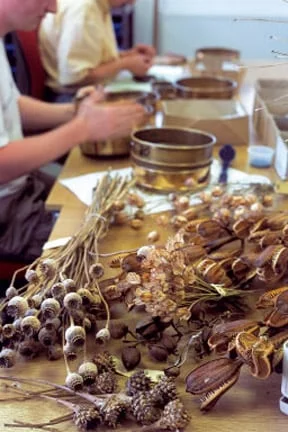
Seeds of Verbena bonariensisare widely available to buy in garden centres and online, along with a limited choice of bedding verbenas.
You can also collect seeds from your own plants after flowering, but bear in mind that the resulting plants may differ from the parent plants.
Bedding verbenas
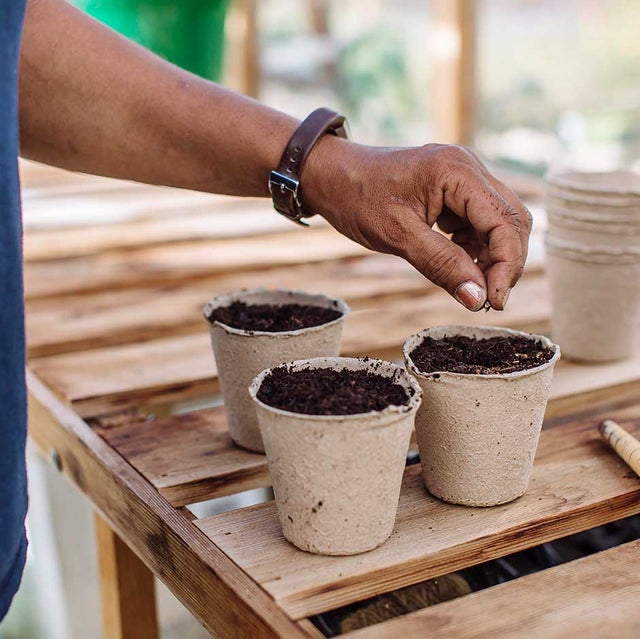
- Sow from January to March
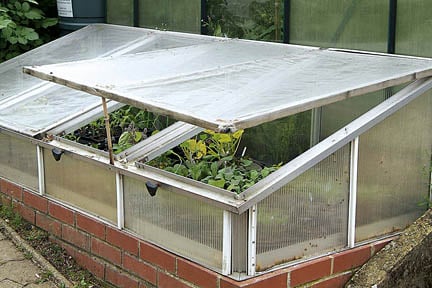
- Place on a warm windowsill or in a at 21°C (70°F)
- Look after the young plants indoors until after the last frost, usually in May
- Harden off your plants before planting out, to acclimatise them to outdoor conditions
- They should start flowering in early summer, and continue until the first frost
Hardy perennial verbenas
Sow these indoors in March or April, or outdoors in May.
Many verbenas, including Verbena bonariensis and V. rigida, grow readily from seed, and often self-seed around the garden, so look out for in spring. They don’t always pop up in the right places, but can easily be moved if you dig them up and re-plant them quickly in a more suitable spot, then water in well.
New plants should flower in their first summer.
By cuttings
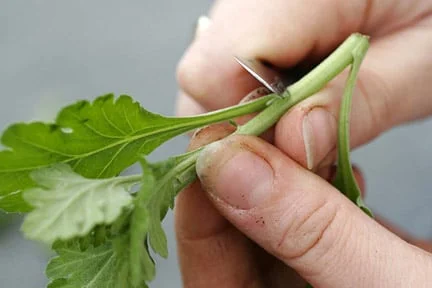
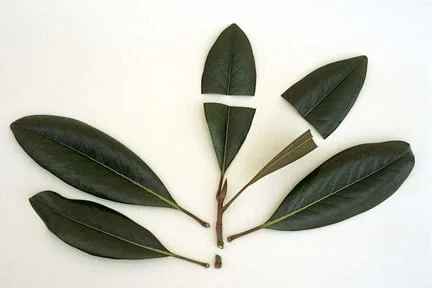
Many verbenas can be grown from – either in spring and early summer, or in late summer. See our guides below.
Taking cuttings in late summer is a useful way to keep going from one year to the next. But you need space indoors – on a warm windowsill or in a frost-free greenhouse – to grow them through winter and early spring.

By division
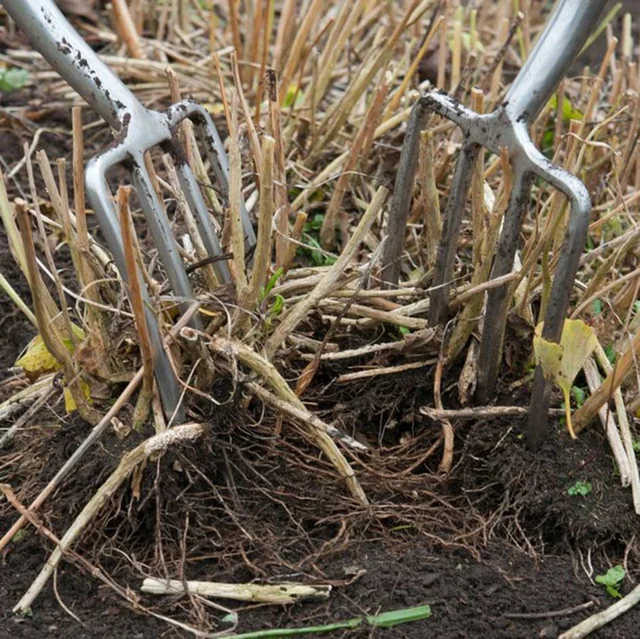
Verbenas that form clumps and have fibrous roots, such as Glandularia corymbosa, can be divided in spring to produce several smaller new plants that should flower that summer.
Problems
Verbenas of all kinds are usually free of pests and diseases, but occasionally they can suffer from:
If you’re a member of the RHS, you can use our online Gardening Advice service, via MyRHS, for all your gardening queries.