Getting Started
Similar to traditional sprouting broccoli, this tasty and versatile oriental vegetable can be harvested over a long season, and is a good source of antioxidants and vitamin C.
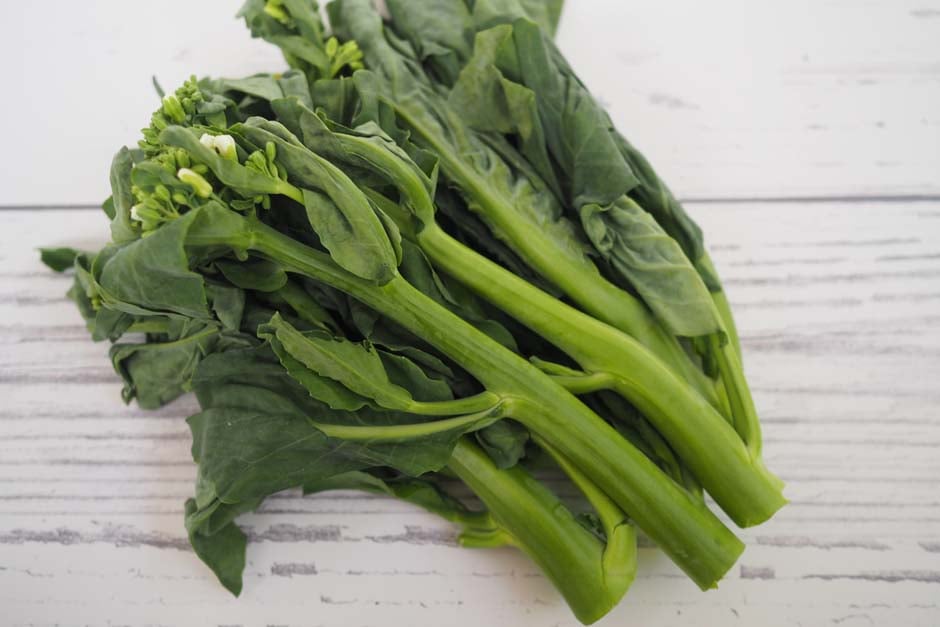
Chinese broccoli, also known as Chinese kale, kailaan, kai lan or wok broc, is a productive and versatile oriental brassica. It’s grown for its tasty leaves, stems, flower buds and flowers, which are similar to traditional broccoli. Young leaves can be eaten raw, while larger leaves, tender stems and young flower shoots can be lightly steamed, sautéed or added to stir-fries.
For continuous harvests across summer and autumn, sow seeds regularly in small batches from spring onwards. If given protection, you may even get light harvests in winter. Without protection, plants die back over winter but may re-sprout in spring in milder regions. Baby leaves can be picked in as little as three weeks, and florets form after about ten weeks, when plants reach a height of about 40cm (16in).
As a member of the cabbage (brassica) family, Chinese broccoli can be affected by the same problems as traditional brassicas, and should be included in crop rotations with its cabbage relatives. Other oriental brassicas that are grown in a similar way includeChinese cabbages, pak choi, mizuna and mibuna. For inspiration on these and many other crops, take a look round the veg plots in the RHS gardens.
Jobs to do now
Sow seed outdoors
Harvest
Water in dry spells
Month by Month
Sow
Plant
Harvest


Choosing What To Grow
Several varieties of Chinese broccoli are available in the UK. Seeds can be sourced from a limited number of online seed retailers, and are sometimes sold as Chinese kale, kailaan or kai lan.
Recommended Varieties

'Kailaan Express'
Kai-lan is the Cantonese name for Chinese broccoli. This variety is fast-growing and reliable.
Preparing The Ground
Choose a growing site with rich, moisture-retentive but well-drained soil, in full sun. Weed thoroughly, then dig in a couple of bucketfuls of well-rotted manure or garden compost per square metre/yard, to help retain moisture in the soil. Firm the soil and rake until fine and level, removing any large stones. Alternatively, if you're practising no-dig, the soil with organic matter ahead of sowing or planting directly into the mulch.
If your soil is very acidic, apply lime the winter before sowing, to raise the and deter club root – you can carry out a simple pH test to check if this is necessary.
Sowing
You can sow Chinese broccoli indoors or outdoors in spring, summer and early autumn. Indoor sowing keeps the vulnerable safe from harsh weather and hungry slugs. You can also sow Chinese broccoli in large containers outdoors, for cropping as baby leaves and young plants, rather than growing to maturity.
Sowing indoors
Sow seeds indoors from mid-spring onwards – it’s best to use a modular seedtray, to minimise root disturbance when transplanting outdoors later. Fill it with peat-free , water to dampen thoroughly, then sow two seeds per module, 2cm (¾in) deep. Thin out the , removing the smaller or weaker one, to leave one per module. Keep in good light and water regularly. For more indoor sowing tips, see our guides below.
Sowing outdoors
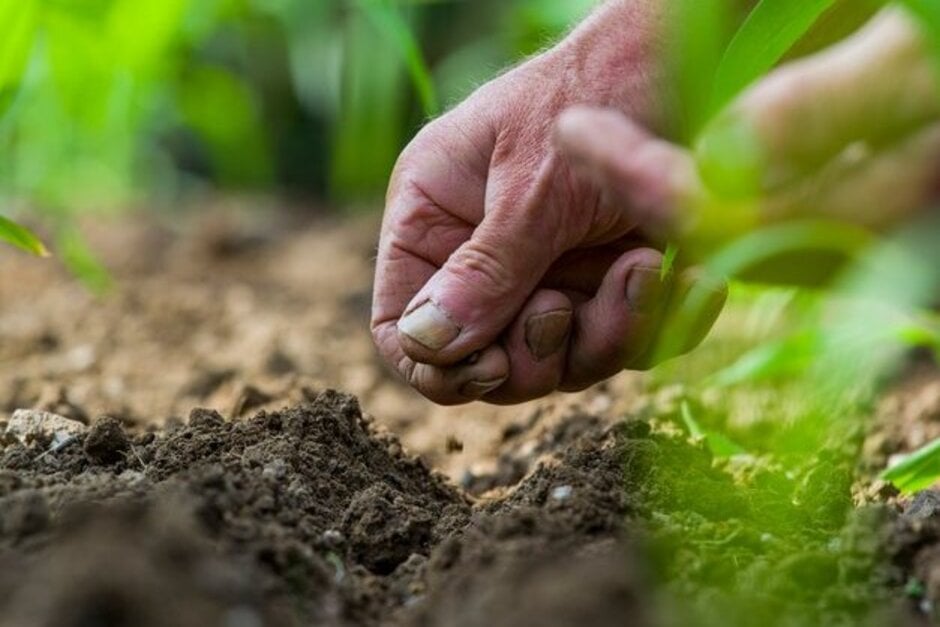
Sow seeds outdoors between April and September. Prepare the ground as detailed above, then make a shallow about 2cm (1in) deep and water along the base. Sprinkle the seeds thinly and evenly along the drill, then cover lightly with more soil. Space rows 30cm (12in) apart. For continuous harvests, sow small batches every few weeks. Protect the from slugs and snails, especially in damp weather.
Thin out the seedlings to 10–15cm (4–6in) apart for harvesting as baby salad leaves, or 30cm (12in) apart for full-sized plants.
Sowing in containers
You can also grow Chinese broccoli in large pots for harvesting as baby leaves. Choose a container that’s at least 30cm (1ft) wide and deep, position it in a sunny spot and fill with peat-free multi-purpose . Water to thoroughly dampen the compost, then scatter the seeds sparingly and cover lightly with a little more compost. When the seedlings appear, thin them out to 10–15cm (4–6in) apart. Be prepared to water frequently in summer, as the compost will dry out rapidly.
Planting
from indoor sowings will be ready to transplant outdoors after about 4–6 weeks, once they have a good root system. Before planting, harden them off to acclimatise them to outdoor conditions, and prepare the ground as outlined above. Then plant them 10–15cm (4–6in) apart for harvesting as baby salad leaves, or 30cm (12in) apart for growing to maturity.
Plant Care
Once established, Chinese broccoli needs little attention. Simply the soil to retain moisture and keep plants protected from insect damage. In dry weather, you may need to water, especially when growing in a container.
Watering
Water and young plants regularly until well-rooted. Chinese broccoli likes consistently moist soil, so in dry weather may need to be watered too. Plants in containers usually need watering regularly, as the potting dries out quickly, especially in warm weather.
The best time to water is in the morning, so plants can grow steadily throughout the day. Avoid watering in the heat of the day, as the moisture will evaporate quickly. For more water-saving tips, see our guides below.
Mulching
Spread a of organic matter, such as garden , around the plants to help hold moisture in the soil and reduce the need for watering. Mulch will also deter weed . Apply the mulch when the ground is damp and plants are growing strongly.
Weeding
Weed regularly, so young plants don’t have to compete for sunlight and water, which can hinder growth. Weeds can also provide shelter for slugs and snails, which could damage the crop.
Protecting the crop
Cover plants withinsect-proof mesh in late spring and summer to protect from cabbage caterpillars and cabbage root fly.
In mild regions, you may get some light harvests over winter if you cover plants with cloches or biodegradable fleece. Alternatively, allow plants to die back naturally, then cut down to a short stump – leaves may re-sprout in spring, especially after a mild winter.
Harvesting
Chinese broccoli grows quickly and is ready for harvesting in as little as ten weeks after sowing – generally between July and November. Early sowings may form flower buds sooner, but this doesn’t matter – just use what you can and sow more. Mature plants should withstand light frosts at the end of the season.
To harvest the tender young florets, cut off the top few centimetres (1in) with a knife just before the first white flowers open. The more you harvest, the more they should produce. Steam or sauté them in a similar way to broccoli. Open flowers are still edible and can be scattered in salads. The young succulent stems can be cooked separately, like asparagus, as they take longer than the tender florets.
You can also harvest Chinese broccoli as young salad leaves in as little as three weeks in summer – start when the plants are 8–10cm (3–4in) tall and snip off a few of the outer leaves from each plant. More leaves will grow from the centre of the plant, which will be ready to harvest a few weeks later.
Problem Solving
Chinese broccoli is relatively robust and healthy, but being a member of the cabbage family it can be affected by brassica diseases such as club root, especially on acidic soil, and can be damaged by cabbage root fly and cabbage caterpillars – although when growing speedy young salad leaves, these are rarely a problem. For more details on these and other issues, see Common problems, below.
Common Problems


Cabbage caterpillars
Cabbages and other brassicas are a food source for the caterpillars of several species of moth and butterfly.

Cabbage root fly
The maggots of cabbage root fly eat the roots of cabbages and other brassicas, they can also tunnel into the roots of swedes, turnips and radish.


