Getting Started
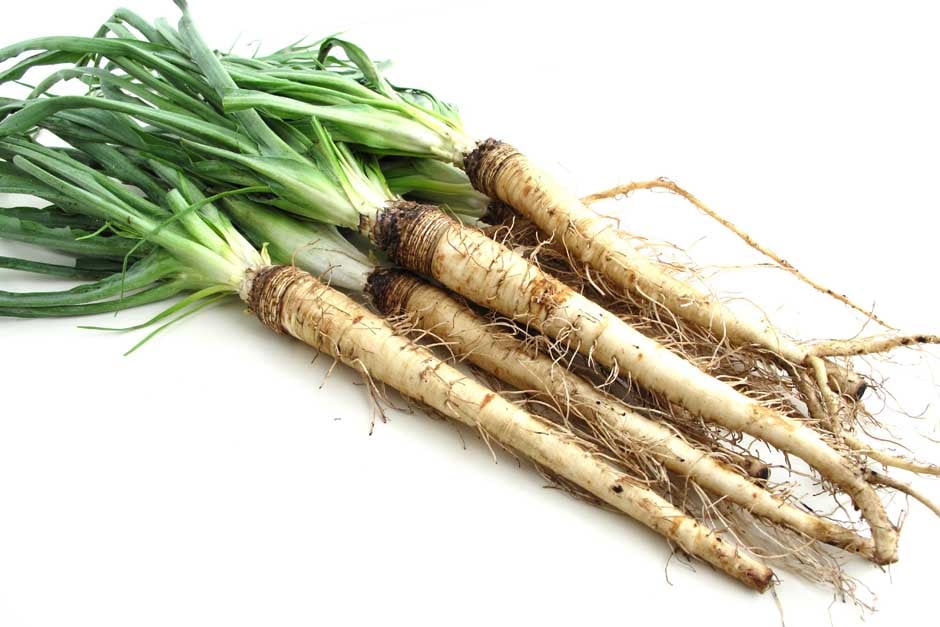
Little-known but easy to grow, salsify produces long, slender, creamy white roots that taste like oysters. These are rarely available to buy, so to enjoy this unusual vegetable, sow outdoors in spring, in the ground or in deep containers, for harvests from mid-autumn through to early spring. It’s a useful crop for the colder months, and frost makes the roots sweeter and more tender. To fully appreciate salsify’s delicate flavour, simply steam then peel the roots, and serve with butter.
Salsify (Tragopogon porrifolius) is a hardy , and if the roots are left in the ground through to spring, it will sprout back into growth from the base, producing edible shoots and leaves (see Harvesting below). If left to continue growing, salsify will produce attractive purple-pink flowers in its second summer. The flower buds can be cooked before they open, and the flower petals can be sprinkled into salads for a splash of colour.
Salsify is related to dandelions, and it produces similarly fluffy seedheads and self-sows with equal enthusiasm. Remove the flowers once they fade if you don’t want it to spread, or collect the seeds to sow in spring for your next crop. Another related plant is Pseudopodospermum hispanicum, which is also known as scorzonera, black salsify or Spanish salsify. It has dark roots and yellow flowers, and is also grown for its edible roots.
Jobs to do now
Water in dry spells
Month by Month
Sow
Harvest


Choosing What To Grow
As salsify is a fairly unusual vegetable, seeds are usually only available from online seed suppliers or in larger garden centres. Only one variety is generally available in the UK, although it is sold under several names: ‘Mammoth’, ‘Sandwich Island Mammoth’ and ‘Sandwich Island’ – compared to the straight species, it produces larger roots with an improved flavour.

Preparing The Ground
Choose a sunny location with light, free-draining soil that is deep enough to accommodate the long roots, which can grow up to 30cm (1ft). Weed the ground thoroughly, remove as many stones as possible and break up heavy or compacted soil with a fork. Salsify grows well in soils with a high amount of organic matter, such as garden . Ideally, grow salsify in an area of your veg plot where organic matter was added for the previous crop. Soil that is stony or has recently been manured can cause the roots to fork and branch. Rake the soil to a fine texture.
Alternatively, if you're practicing no-dig, the soil with well-rotted organic matter ahead of sowing directly into the mulch.
Sowing
Always use fresh seeds, as rates decline quickly, in a similar way to parsnip seeds. Sow salsify outdoors in its final growing location, once the soil starts to warm up in spring. Avoid transplanting, as that can cause the roots to fork.
To sow, make a shallow about 1cm (½in) deep, water along the base, then sprinkle the seeds thinly and evenly along its length and cover with soil. Allow 30cm (1ft) between rows. Once the appear, gradually thin them out to 10cm (4in) apart, removing the weaker ones. Alternatively, sow two or three seeds at intervals of 10cm (4in) along the drill. If more than one germinates in each group, take out the smaller seedlings to leave just one. Germination tends to be slow and erratic, taking two or three weeks.
Seeds can be sown in a similar way in large containers at least 30cm (1ft) wide and deep, filled with moist, peat-free, multi-purpose . For more sowing tips, see our guides below.
Plant Care
Salsify is slow growing, but needs little maintenance – just keep plants weed-free, water during long dry spells and protect young plants from slugs and snails. Feeding isn’t required.
Watering
Water young regularly if conditions are dry. Once established, salsify should only need watering in long dry spells, to prevent the roots splitting. If growing salsify in a container, water regularly throughout the , as the will dry out quickly. For water-saving tips, see our guides below.
Mulching
Apply a thick layer of home-made garden compost around salsify plants in late spring to help prevent the soil drying out in summer and deter weed .
Weeding
Weed this slow-growing crop regularly to stop weeds getting established and outcompeting it. Use a hoe between rows, but hand weed close to the plants to avoid damaging the top of the roots.
Harvesting
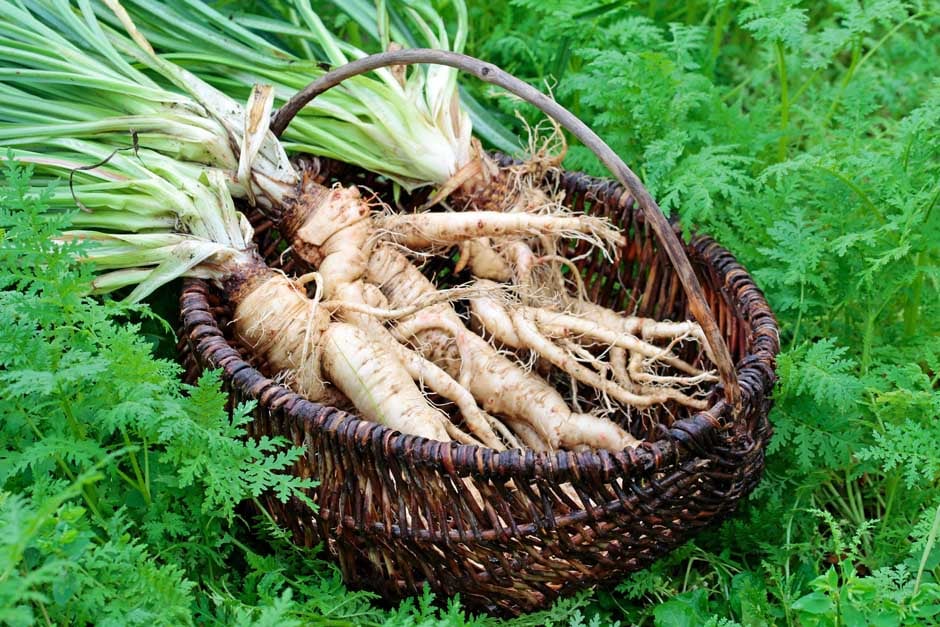
Salsify roots are usually ready to harvest from mid-autumn, but can be left in the ground and dug up whenever required, through winter and into early spring. Frost helps to sweeten the flavour, in a similar way to parsnips.
- Lift the long slender roots very carefully, as they snap easily and bleed if cut. Ease them out with a fork rather than pulling them up
- From late autumn onwards, protect plants in the ground from the cold with a layer of straw or plastic-free fleece
- In very cold locations or where the soil is prone to waterlogging, lift and store the roots in sand or sawdust and keep in a cool, frost-free garage or cellar
Salsify roots have a tough, inedible skin. Removing it can be tricky, as uncooked roots produce a sticky latex. So it’s best to cook the roots first, then peel them. They can be steamed, mashed, roasted or sautéed, and added to many other hearty dishes, such as soups and stews.
If you leave some of the roots unharvested, salsify will re-sprout from the base in spring. These young shoots can be blanched to provide an additional crop:
- In early spring, cut back the old leaves to about 2.5cm (1in) from the ground
- When new shoots appear, cover them with a mound of soil 10–15cm (4–6in) high, to exclude light. In , it’s better to cover with straw or an upturned bucket
- Harvest the blanched shoots as they appear above the mound, carefully clearing away the soil, then cook them like asparagus
Spring leaves can also be cut when 15cm (6in) tall, without , but are not as tender. They can be used like spring greens.
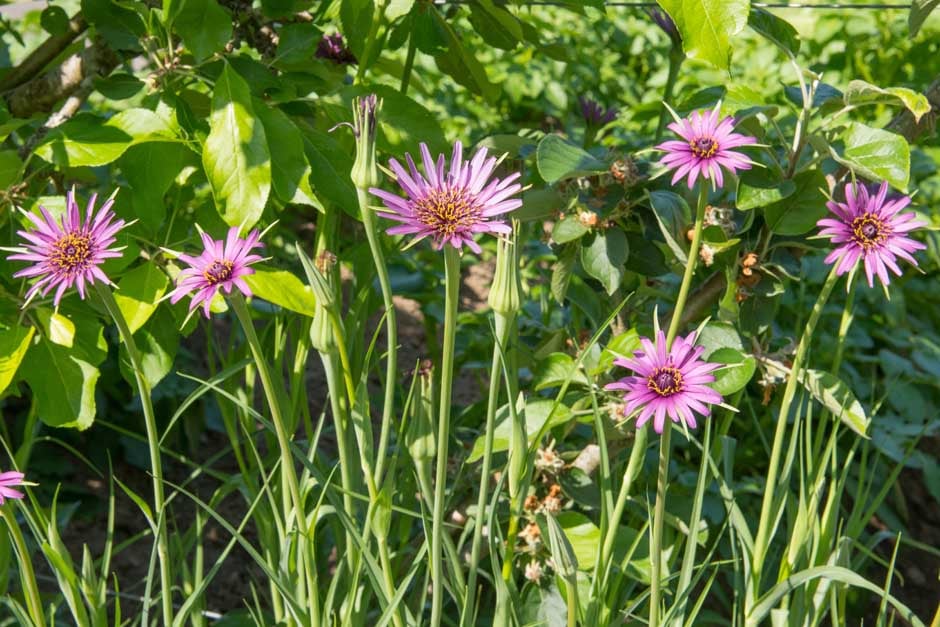
If left to grow, salsify will flower in its second summer – the pink-purple petals are edible and the flower buds can also be steamed or sautéed.
Problem Solving
Salsify is easy to grow, with few problems. However, the roots can sometimes fork or split, so for good quality roots:
- Remove stones from the ground before sowing, and don’t sow in ground that has recently been manured
- Water in dry spells, to prevent the roots splitting or becoming fibrous, and to avoid
- Take care when harvesting, as the long roots can snap easily – use a fork to loosen the soil and lever them out gently
Slugs and snails can also be troublesome early on, eating and young plants – see Common problems, below, for tips on deterring them.
Common Problems

Bolting in vegetables
Bolting is the term applied to vegetable crops when they prematurely run to seed, usually making them unusable. A cold spell or changes in day length...

Root vegetables: splitting
When root vegetables are harvested, they are sometimes found to have split open, rendering many crops useless and causing much disappointment. There a...

Slugs and snails
Slugs and snails are common garden animals, and they are well suited to the damp, mild climate of the UK. A few species feed on garden plants, but mos...
