Quick Facts
Easy to grow, compact shrubs, up to 1m (3â…“ft)
1
Rich blue flowers from late summer to early autumn
2
Aromatic leaves, usually grey-green
3
Easy to grow in sun and well-drained soil
4
Drought tolerant and dislike damp conditions
5
Deciduous, so they lose their leaves in winter
6
Cut back hard in spring to encourage flowering
7
Flowers are attractive to pollinating insects
8


Before you get started
What are caryopteris?
Caryopteris are easy-to-grow, drought-tolerant shrubs, prized for their lavender-blue flowers. These are held in fluffy clusters along the stems from late summer into autumn, and are followed by small inflated seed capsules. The flowers are a magnet for bees and butterflies in late summer. The leaves are usually small, grey-green and aromatic.
Most caryopteris available in the UK are hardy cultivars of Caryopteris x clandonesis, or occasionally C. incana. They are , so lose their leaves in winter, and need full sun and light soil that drains well after rain.
Choosing caryopteris for your garden
Caryopteris are easy to grow in the right conditions, so before buying, make sure you can offer them a warm, sunny spot in light, free-draining soil or in a large container.
These compact shrubs work well in most sizes and styles of garden, especially in mixed borders, cottage-style plantings, dry gardens, gravel gardens, pollinator-friendly borders, and containers.
They mingle harmoniously with pastel shades – perhaps alongside repeat-flowering roses, cistus or lavenders. Also, as blue flowers are unusual in late summer, you can make a bonus of this by contrasting caryopteris with fiery-hued late perennials, such as orange crocosmias, golden rudbeckias or red-leaved hylotelephium (formerly sedum).
The most widely available caryopteris are hardy cultivars of C. x clandonesis, although you may come across a few cultivars of other species, such as C. incana ‘Blue Cascade’. They all like similar growing conditions and are broadly similar in appearance, but there are some variations to bear in mind when choosing and positioning them:
Flower colour
- Most caryopteris have blue flowers, in a choice of rich shades, from dark C. x clandonensis 'First Choice' to paler C. x clandonensis 'Moody Blue'
- There are also a few pink or white cultivars, including C. x clandonensis 'Pink Perfection'
Plant shape
These shrubs generally grow to a maximum of 1m (3â…“ft) tall and wide, with some variations in plant shape and size, including:
- Upright growth, such asC. x clandonensis 'Dark Knight’
- Arching, weeping stems, such as C. incana ‘Blue Cascade’
- Vigorous and spreading, such as C. x clandonensis ‘Longwood Blue’
- Dwarf, so ideal for containers and edgings, such as C. x clandonensis 'Heavenly Baby’
Leaf colour
Most caryopteris have grey-green leaves, but a few offer alternatives that may require specific growing conditions:
- Golden-leaved forms, such asC. x clandonensis 'Worcester Gold' , need full sun to colour up well. Yellow leaves are a striking contrast to the blue flowers, making these cultivars particularly eye-catching
- Variegated leaves, on the other hand, can scorch in strong sun, so cultivars such as C. x clandonensis ‘Summer Sorbert’ (green with a gold edge), are best positioned out of midday summer sun
- The silvery leaves of C. x clandonensis 'Sterling Silver' stand out well in a border, are ideal for Mediterranean-style plantings and make a pleasing complement to the blue flowers
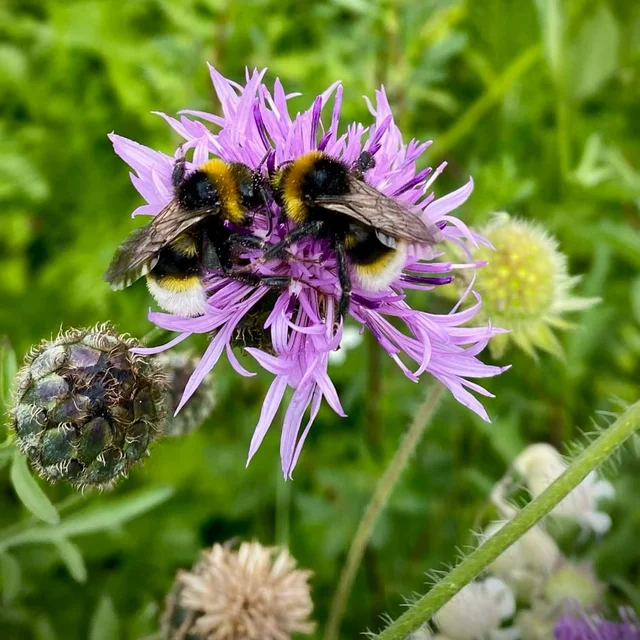
To browse photos and descriptions of caryopteris cultivars, go to RHS Find a Plant. Several have an RHS Award of Garden Merit, which shows they performed well in RHS trials, so are reliable choices. Many also have our Plants for Pollinators award, as they provide a valuable late source of for bees, butterflies and other insects.

How and what to buy
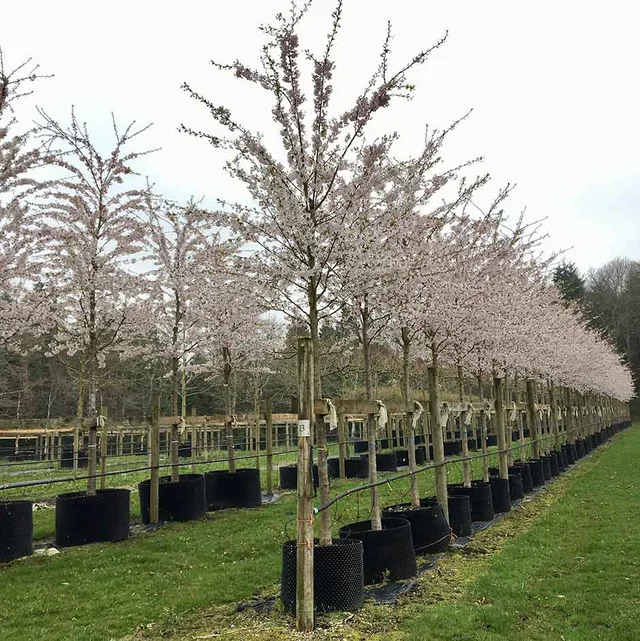
Caryopteris are widely available in garden centres and nurseries, and from online suppliers. They’re usually sold in pots of 2 litres and larger, throughout the year, although the selection is likely to be at its fullest when plants are in flower in summer.
To track down a specific , go to RHS Find a Plant.

Planting
When to plant
Spring is the ideal time for planting shrubs with silver and greyish foliage, as the worst of the winter cold and damp is over and the is ahead of them.
Still, containerised caryopteris can be planted at any time of year, although it is best to avoid extremes or hot or cold weather, as they may struggle to get established.
Caryopteris are widely available right through summer and early autumn, and are often bought in flower for instant impact. If you plant in summer, be prepared to water regularly, especially in hot dry spells, until the roots are well established in their new home.
Where to plant
- Caryopteris prefer light, ideally sandy soil that dries out readily after rain. Once established, they should cope well with drought, so are ideal for drier regions
- They don’t like to have wet feet, especially in winter. So if you have heavy or waterlogged soil, plant in a raised bed with better drainage or in a container
- They do best in moderately fertile or even poor soil. In very fertile conditions, they may produce lots of growth and foliage, but fewer flowers
- Plenty of warmth and sun is essential. Although hardy in most parts of the UK, they can be damaged or even killed by hard, late-spring frosts. So in colder regions, give them a sheltered spot, perhaps at the base of a sunny wall, or plant in a container that can be moved into a greenhouse or porch in harsh weather. However, a bit of frost damage to the tips before pruning in spring is nothing to worry about, as the plant will sprout from lower down.

How to plant
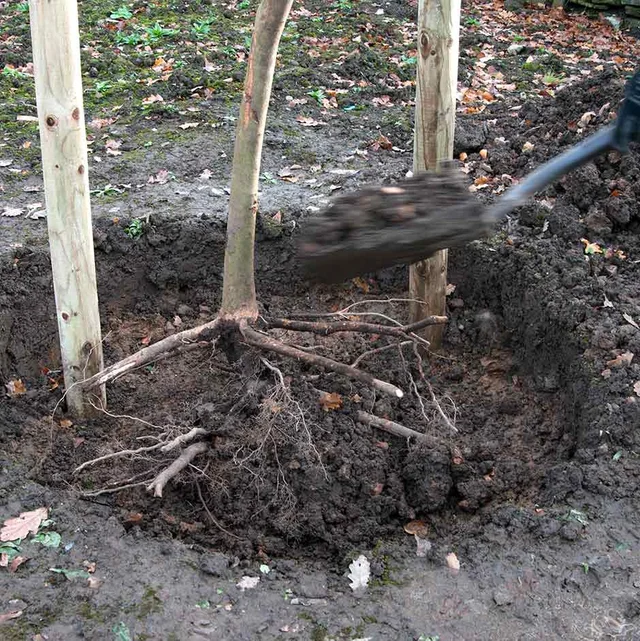
Caryopteris are very straightforward to plant. Just follow the RHS guide below to shrub planting and container planting.
Additional tips for planting in containers:
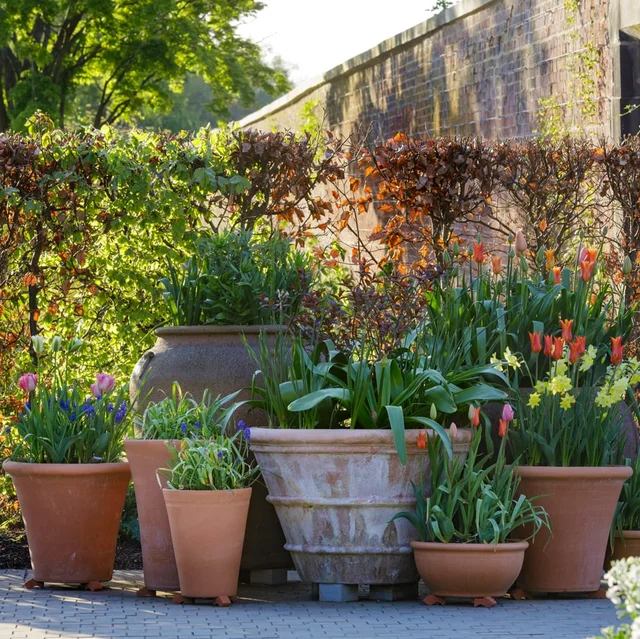
- Use a loam-based , such as peat-free John Innes No 2, with around one quarter of coarse grit added to improve drainage
- Choose a container that’s only slightly larger than the original one – allow room for a couple of fingers on either side. Avoid overpotting (planted in too big a container), as the excess compost has a tendency to stay damp for too long and cause the roots to rot.


Ongoing Care
Watering
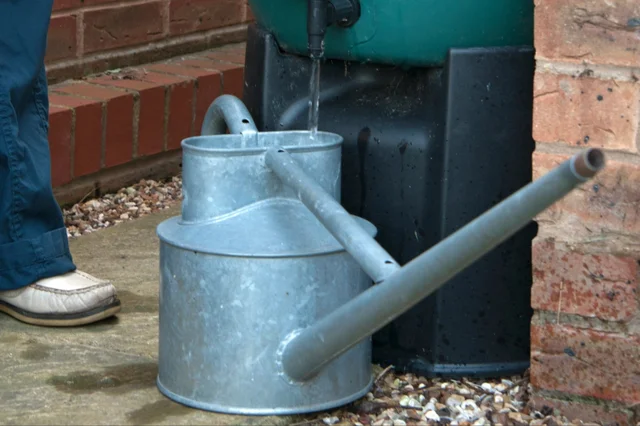
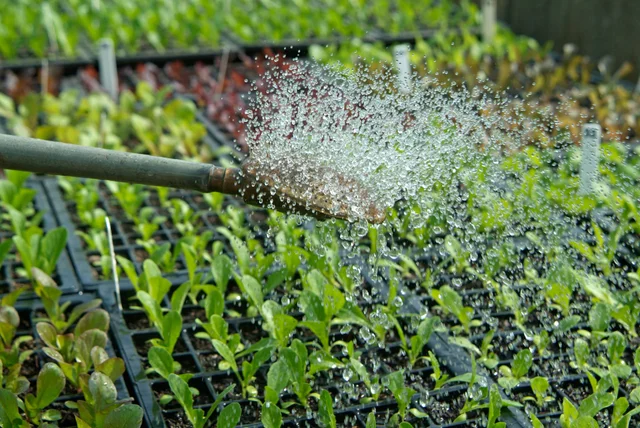
- When newly planted, caryopteris need watering, for at least the first summer
- Once established, caryopteris are drought tolerant and shouldn’t need additional watering
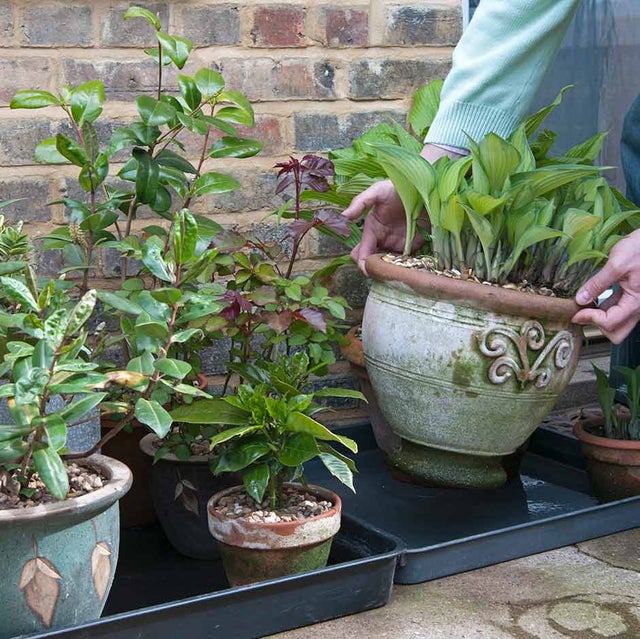
- When growing in containers, they need additional watering throughout the , as the limited amount of dries out quickly, especially in hot weather
Feeding
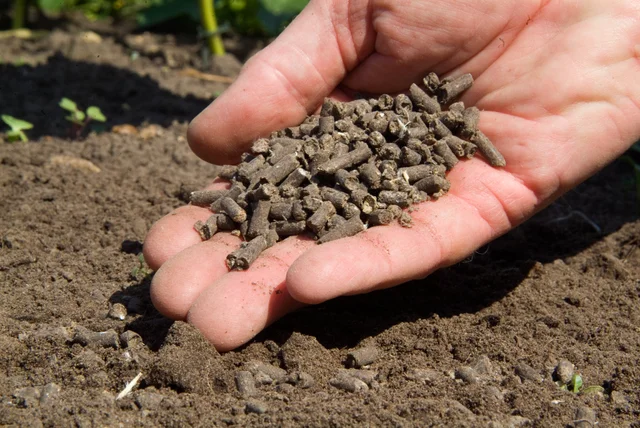
Caryopteris don’t need feeding and are happy in moderately fertile and even poor soils. Too much fertility can lead to excessive leafy growth at the expense of flowers.
Mulching
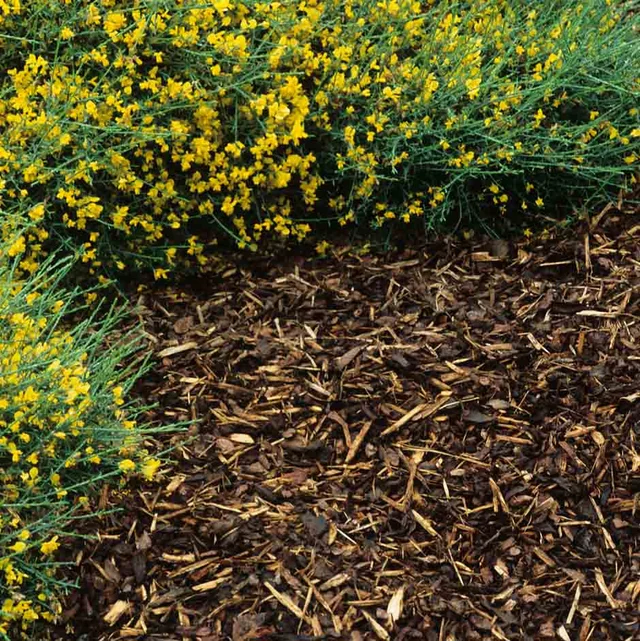
Apply a thick mulch of organic matter, such as home-made garden compost, to the soil around caryopteris in spring, to deter weeds and improve the soil structure and drainage. Take care to leave a gap around the base of the stem, so it isn’t in contact with damp , which could encourage rotting.
Deadheading
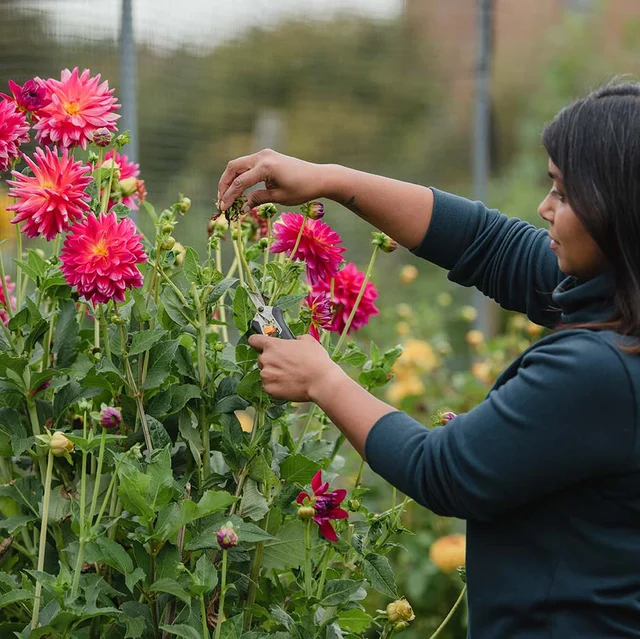
There's no need to deadhead caryopteris, as the flowers open in succession up the stems, so cutting them off would curtail the ongoing display. Plants also go on to produce small inflated seed capsules, initially dark or greeny-blue, ripening papery brown, that continue the interest into winter.
Overwintering
Caryopteris are generally hardy in the UK, down to at least -5°C or lower, although they may suffer some dieback from harsh, late frosts. This is not usually a problem, as light damage can be cut out during annual pruning in spring.
However, in colder regions or gardens prone to severe frosts, take care to plant in your warmest, most sheltered spot, in very free-draining soil – perhaps at the base of a sunny wall. Or grow in a container that can be moved indoors to avoid the harshest weather.
Caring for older plants
- Caryopteris should be pruned every spring to keep them compact and flowering well – see Pruning and Training, below.
- Overgrown plants can be cut back hard and should recover well.
- Repot plants in containers every few years to keep them growing strongly. Use peat-free loam-based compost with lots of extra grit mixed in to improve drainage, and a container that is only slightly larger than the previous one, to avoid problems with overpotting.

Pruning and Training
Caryopteris should be pruned every spring to keep them compact and flowering strongly. They can also be pruned lightly after flowering.
- Prune caryopteris in March or early April, once the worst of the cold weather is over in your area and further hard frosts are unlikely
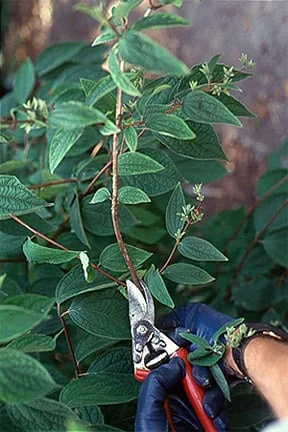
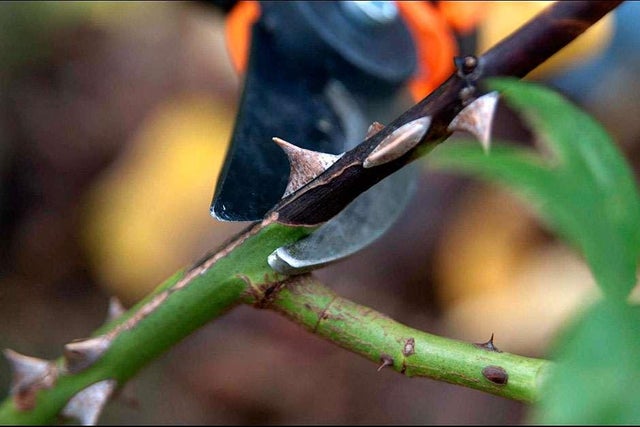
- Cut each stem back to a couple of buds from their base, to leave a low, permanent, woody framework. This may seem drastic, but be brave – new shoots will soon sprout from the dormant buds, and these new stems will carry abundant flowers later in summer. For a full step-by-step guide, see below
- You may also wish trim plants lightly in late autumn after flowering, to tidy up your border, but bear in mind that you will lose the seed capsules, which can look attractive into winter
Propagating
Taking cuttings
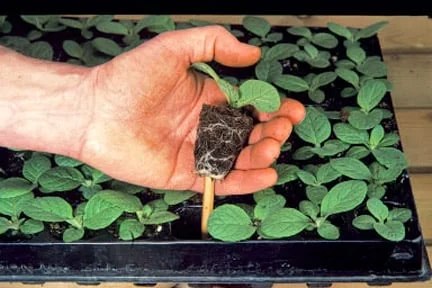
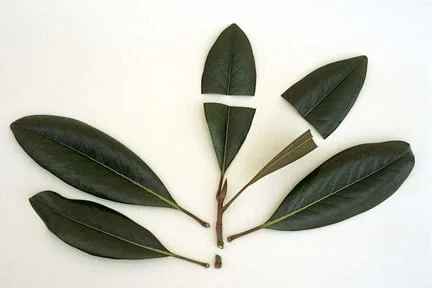
- You can make new plants by taking softwood or semi-ripe in summer. In RHS trials they were found to root best in a loam-based peat-free
- Once rooted, the small plants will overwinter in 9cm (3in) pots in an unheated greenhouse or coldframe (protected by fleece in cold weather). They should be ready to move on into 1 litre pots the following spring, then can be planted into the garden a year later
Growing from seed
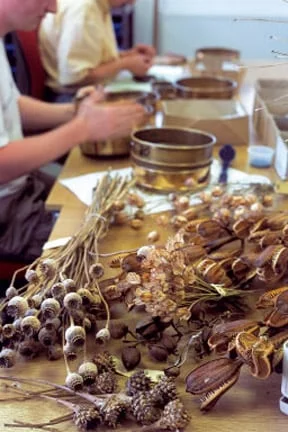
New plants can be grown from seeds collected from the papery seed capsules in late autumn. The resulting plants may differ slightly from the parent plant, although this may give you interesting results.
Problems
Caryopteris are generally trouble-free plants, suffering few pests or diseases when given the right growing conditions. But do look out for:
- Overwatering or waterlogged ground can cause plants to rot
- Late frost can cause damage, but new growth will usually sprout from the base
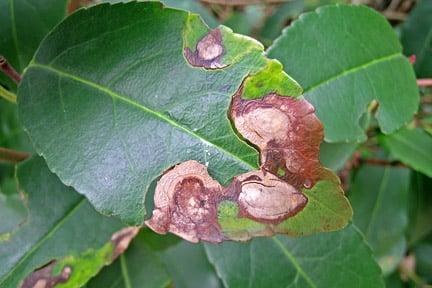
- Capsid bugs can cause cosmetic damage to the leaves


More advice
If you’re a member of the RHS, you can use our online Gardening Advice Service, via MyRHS, for any gardening problems or queries.